Turmeric for blood sugar: the antioxidant botanical in GlycoAid

Updated September 2026 · reviewed by the GlycoAid Research Team. We are an independent information resource, not a medical provider, and this article is educational rather than medical advice.
Turmeric for blood sugar refers to the golden root spice whose main active compound, curcumin, acts as an antioxidant — helping the body mop up the free radicals produced during everyday metabolism — and it is the antioxidant botanical layer within the 500 mg blend in GlycoAid. Turmeric is a support to a healthy routine, not a treatment for any disease, and it works best alongside the food, movement and sleep habits that keep glucose steady within a normal range.
What turmeric is, and why it sits inside the GlycoAid formula.
- What it is
- Turmeric is a culinary root in the ginger family; its yellow pigment, curcumin, is a well-studied plant antioxidant.
- The main role
- Curcumin’s recognised strength is antioxidant and anti-inflammatory activity — it is a botanical support, not a drug, and does not treat any condition.
- Why in GlycoAid
- Turmeric adds the antioxidant botanical layer to GlycoAid’s 500 mg blend of cinnamon, berberine, banaba, gymnema and bitter melon, over a chromium base.
- What the evidence says
- Curcumin’s antioxidant action is well documented; direct glucose effects in humans are promising but mixed, and it is poorly absorbed without help.
Turmeric has flavoured kitchens for thousands of years, but it now earns a place on the label of many blood-sugar-wellness formulas — including GlycoAid — for one specific reason: its antioxidant chemistry. This deep dive explains what turmeric actually does, why curcumin is the part that matters, how its antioxidant role connects to metabolism, why GlycoAid uses it as a botanical layer, and where the evidence is genuinely strong versus merely promising.
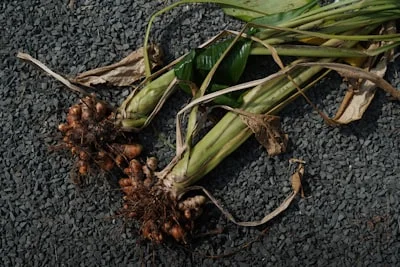
What is turmeric, and what does it do for blood sugar?
Turmeric is the rhizome — the underground stem — of Curcuma longa, a leafy plant in the ginger family, and its role in a blood-sugar formula is that of an antioxidant botanical rather than a glucose drug. The bright yellow colour comes from a family of compounds called curcuminoids, the most abundant of which is curcumin. When people talk about turmeric’s health properties, they are almost always talking about curcumin’s antioxidant and anti-inflammatory activity, which sits in the background of the same metabolic processes that govern how the body handles food.
It helps to be precise here. An antioxidant role is a statement about protecting cells from oxidative wear during normal metabolism; it is not a claim that turmeric lowers high blood sugar or treats any disease. That distinction runs through everything below, and it is the honest frame for why turmeric belongs in a wellness blend.
Why is curcumin the active part of turmeric?
Curcumin is the compound responsible for most of turmeric’s studied effects, yet it makes up only a few per cent of the raw root by weight. That is why supplements often use a concentrated turmeric or curcumin extract standardised to a set curcuminoid percentage, rather than plain kitchen spice. Curcumin’s chemistry lets it neutralise free radicals and interact with inflammatory signalling pathways — the two mechanisms behind nearly every turmeric headline. The catch, which we return to below, is that curcumin on its own is absorbed poorly, so how a formula delivers it matters as much as how much it contains.
How does turmeric’s antioxidant action relate to metabolism?
Turmeric supports metabolism indirectly, through antioxidant defence rather than by moving glucose itself: curcumin helps neutralise reactive oxygen species, the unstable molecules that build up when cells burn fuel. Every time your body metabolises carbohydrates and fats, it generates a small amount of this oxidative “exhaust,” and antioxidants are the counterweight that keeps it in check. Because oxidative stress is woven into how cells respond to insulin and handle glucose, an antioxidant like curcumin is studied as a supporting player in metabolic health. For the underlying research, see Altobelli et al., Nutrients 2021 — a meta-analysis of curcumin on glycemic and lipid profile in uncomplicated type 2 diabetes.
The mechanism is real but should not be oversold. Curcumin is one of many dietary antioxidants — alongside vitamins C and E, polyphenols in tea and colourful produce — and no single one is a switch for blood sugar. What curcumin offers is a well-characterised antioxidant and anti-inflammatory profile that complements a diet already rich in these protective compounds, which is exactly the supporting role it plays inside GlycoAid.
What is oxidative stress, and why does it matter for blood sugar?
Oxidative stress is the imbalance that occurs when free radicals outnumber the antioxidants available to neutralise them, and it is thought to be part of the wear-and-tear that affects how cells respond to insulin over time. A steady supply of antioxidants from whole foods — and, in a formula, from botanicals like turmeric — is the body’s way of keeping that balance. This is why turmeric is framed as protective and supportive: it helps maintain a normal antioxidant balance rather than acting on blood sugar directly.
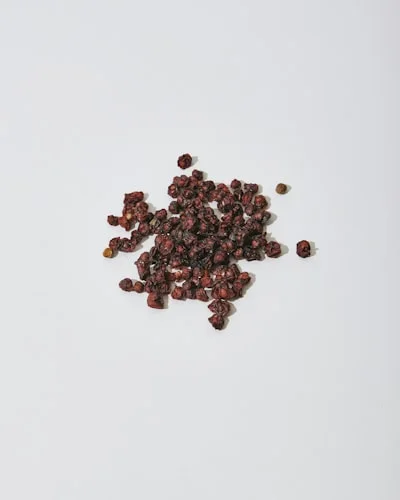
What does the research actually say about turmeric and blood sugar?
The research on turmeric is strongest for its antioxidant and anti-inflammatory activity and more tentative for direct blood-sugar effects, where human trials are smaller, shorter and often use high concentrated doses. Reviews of curcumin note encouraging signals for markers of glucose metabolism, but authorities such as the NCCIH are careful to say the evidence is not yet conclusive. The table below separates what is well established from what is still promising. The evidence base for this point is set out in Poolsup et al., PLOS ONE 2019, a systematic review and meta-analysis of curcumin and glycemic control in prediabetes and type 2 diabetes.
| Claim about turmeric / curcumin | State of the evidence |
|---|---|
| Acts as an antioxidant | Well established in laboratory and human studies |
| Has anti-inflammatory activity | Well supported, widely studied |
| Supports healthy glucose metabolism | Promising but mixed in human trials |
| Improves insulin sensitivity | Early, mostly small studies; not conclusive |
| Treats or cures any condition | Not supported; not a permitted claim |
Two honest caveats belong with that table. First, many positive glucose studies use curcumin extracts at doses far higher than any spice or single-capsule blend delivers, so results do not automatically transfer. Second, absorption is a genuine limit: without an absorption aid, much of the curcumin you swallow passes through unused. Turmeric earns its place as antioxidant support with a long safety record — not as a proven glucose intervention.
Why does turmeric sit in the GlycoAid blend?
Turmeric sits in GlycoAid because it contributes the one thing the other botanicals do not lead with — a well-documented antioxidant compound — rounding out the blend with a protective layer. GlycoAid is built as a single daily capsule that pairs a chromium base with a 500 mg blend of cinnamon, berberine, banaba leaf, gymnema, bitter melon and turmeric. Where cinnamon and berberine carry the traditional glucose-support story, turmeric brings antioxidant balance, so the formula covers more than one angle of everyday metabolic wellness.
Think of it as a team of specialists. Chromium is the recognised mineral foundation; the glucose botanicals add their traditional roles; and turmeric adds antioxidant cover. For the mineral side of the story, our companion guide to chromium as GlycoAid’s mineral base goes deeper, the guide to berberine and cinnamon for blood sugar covers the glucose botanicals, and the homepage lists every ingredient in the full ingredients section.
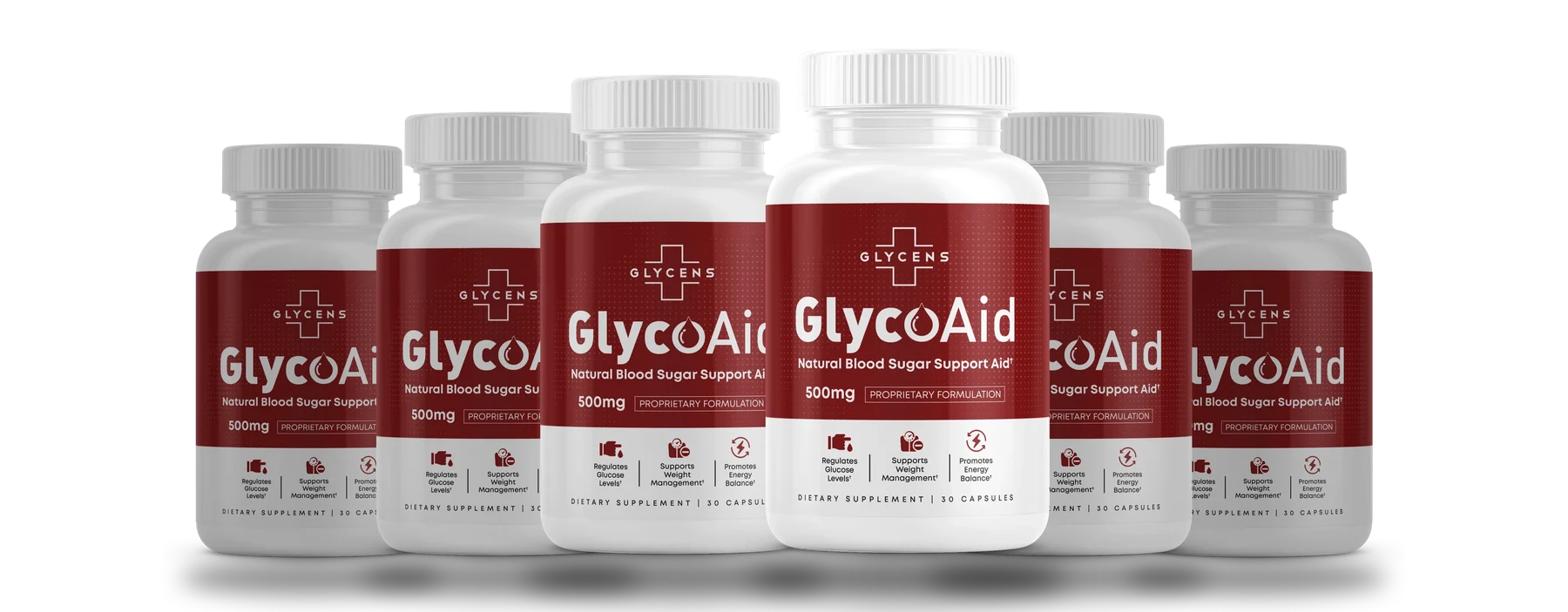
See the exact dose in GlycoAid
GlycoAid is a once-daily capsule pairing a chromium base with a 500 mg botanical blend that includes turmeric. The six-bottle bundle is the best value, with free U.S. shipping and a 60-day money-back guarantee.
Check today’s GlycoAid pricing →How much turmeric do you need, and how is it best absorbed?
The useful amount of turmeric depends far less on raw quantity than on how well the curcumin is absorbed, because curcumin has poor natural bioavailability. Swallowed on its own, much of it is broken down and cleared before it can act, which is why formulators pay close attention to delivery. In a blend like GlycoAid, turmeric is one botanical among several, so the goal is a sensible, well-absorbed contribution to the antioxidant layer — not a mega-dose of standalone extract.
Why is black pepper (piperine) often paired with turmeric?
Black pepper is the classic partner for turmeric because its active compound, piperine, has been shown to dramatically increase curcumin absorption in research settings — by slowing how quickly the body breaks it down. This is why so many turmeric products list piperine or “black pepper extract” on the label. Other absorption strategies wrap curcumin in fats or phospholipids, since it dissolves in oil rather than water. The practical takeaway is that a turmeric ingredient is only as good as its delivery.
| Form | Notes | Absorption |
|---|---|---|
| Culinary turmeric | Ground root used as a spice; low curcumin percentage. | Low without an aid |
| Standardised curcumin extract | Concentrated to a set curcuminoid content. | Still limited alone |
| Turmeric with piperine | Paired with black-pepper extract. | Markedly improved |
| Lipid / phospholipid curcumin | Curcumin carried in a fat matrix. | Improved uptake |
Is turmeric safe, and who should be cautious?
For most healthy adults, turmeric is generally recognised as safe, with a very long history of use as a food and a good tolerability record even in supplement form. Reported issues are usually mild — occasional digestive upset at high concentrated doses. That said, sensible caution applies, and certain groups should check with a clinician before adding a concentrated turmeric or curcumin supplement. This is documented in NIH NCCIH — Turmeric, the federal summary of turmeric and curcumin research.
- People on blood thinners — curcumin may have a mild effect on clotting.
- Those with gallbladder or bile-duct issues — turmeric can stimulate bile flow.
- Anyone pregnant or nursing — keep to culinary amounts unless a doctor advises otherwise.
- People on glucose-lowering or other medication — because effects can overlap.
None of this is unusual for a botanical; it is the same “ask first” guidance that applies to the whole category. GlycoAid is a dietary supplement for everyday support, not a medicine, and it is not a substitute for the treatment your doctor provides.
How does turmeric fit with GlycoAid’s other ingredients and your habits?
Turmeric is most useful as the antioxidant layer in a stack, not a stand-alone fix — it works with the botanicals beside it in GlycoAid and, more importantly, with the daily habits that steady glucose. The chromium base supplies the recognised metabolic foundation; cinnamon, berberine, banaba, gymnema and bitter melon add their traditional glucose-support roles; turmeric adds antioxidant balance; and your plate, your after-meal walk and your sleep do the heaviest lifting of all.
If you are building a routine, the sequence that helps most is ordinary: fibre-rich whole foods, protein at each meal, a short walk after your largest meal, steady sleep, and a once-daily capsule taken at the same time so you do not forget it. Our guide to supporting healthy blood sugar naturally lays out that routine step by step, and the best foods to balance blood sugar covers the antioxidant-rich plate in detail.
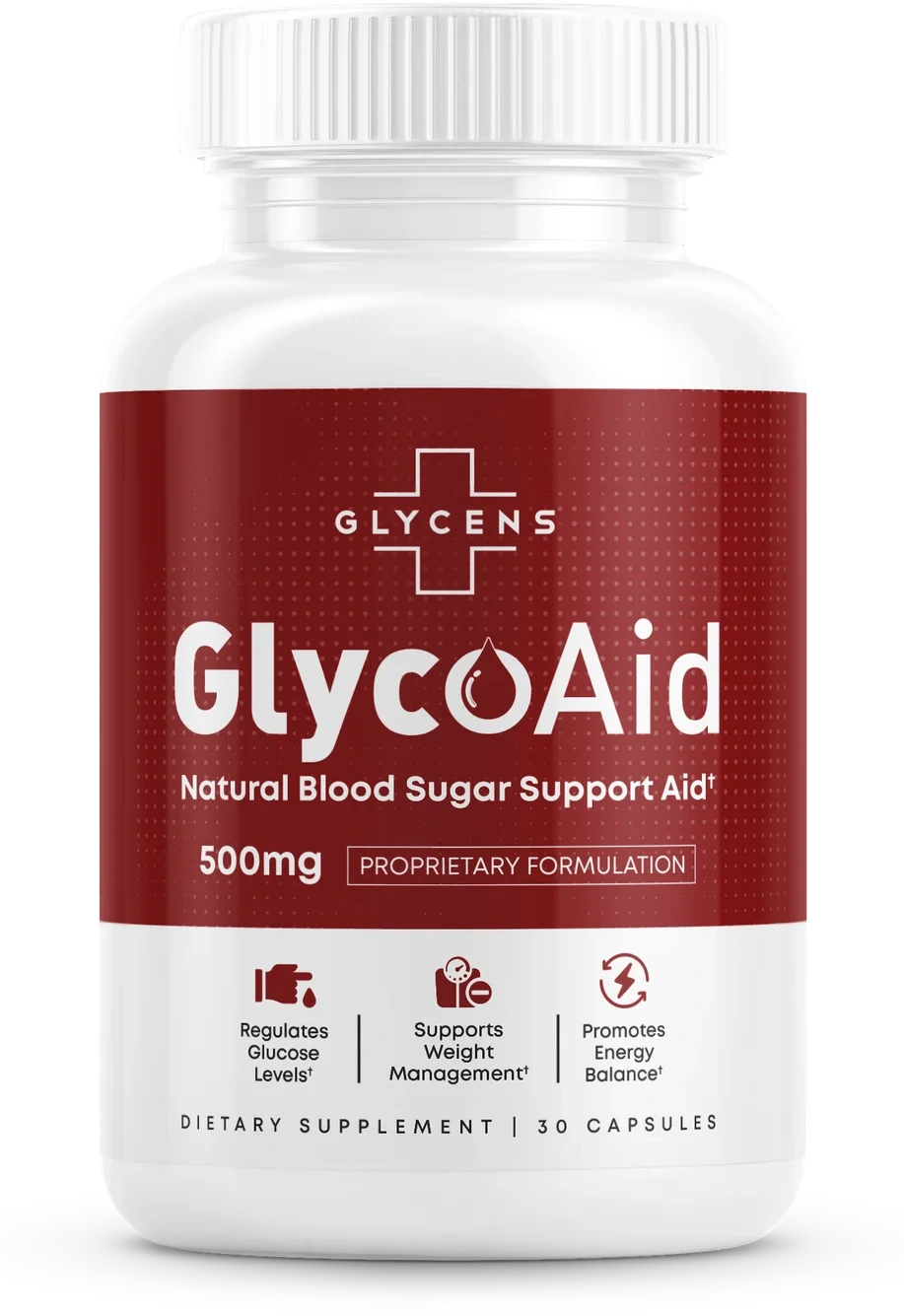
See the exact dose in GlycoAid →
When should you talk to a doctor about turmeric?
Turmeric and formulas that contain it are intended to support blood sugar already within a normal range, not to replace medical care. Speak with your doctor before starting if you are pregnant or nursing, under 18, take any medication — particularly blood thinners or glucose-lowering medicine — have gallbladder concerns or a diagnosed condition, or notice persistent symptoms such as excessive thirst, frequent urination, unexplained weight change or ongoing fatigue. A short conversation makes sure anything you add fits safely with the rest of your care.
Frequently asked questions
What does turmeric do for blood sugar?
Turmeric is an antioxidant botanical whose main active compound, curcumin, helps neutralise the free radicals produced during everyday metabolism. That antioxidant role is why it appears in blood-sugar-wellness formulas, but it is a nutritional support rather than a treatment for any condition.
How much turmeric is in GlycoAid?
GlycoAid includes turmeric root as one botanical inside a 500 mg blend alongside cinnamon, berberine, banaba, gymnema and bitter melon, with a measured dose of chromium, in one daily capsule. For the exact amount per serving, check the Supplement Facts panel on the product page.
Is turmeric safe to take every day?
For most healthy adults, culinary and supplemental turmeric is generally well tolerated, and it has a long history of food use. High-dose extracts can cause mild digestive upset in some people, and anyone on blood thinners, gallbladder issues, or who is pregnant or nursing should ask a doctor before using a concentrated turmeric supplement.
Why is black pepper added to turmeric supplements?
Curcumin is poorly absorbed on its own, so many formulas pair turmeric with piperine, the active compound in black pepper, which research suggests can markedly increase curcumin absorption. Other approaches use lipid or phospholipid delivery to improve uptake.
Does turmeric lower blood sugar?
Some early studies suggest curcumin may support healthy glucose metabolism through its antioxidant and anti-inflammatory activity, but the human evidence is mixed and often uses high concentrated doses. Turmeric is best viewed as antioxidant support within a routine, not a proven glucose-lowering treatment.
Does turmeric replace diet and exercise for blood sugar?
No. Turmeric is a botanical antioxidant support that works alongside the habits that matter most — fibre-rich whole foods, movement after meals, sleep and steady weight. It complements those habits within GlycoAid and is not a substitute for them or for medical care.
Check today’s GlycoAid pricing →
GlycoAid is a dietary supplement, not a treatment for any medical condition. These statements have not been evaluated by the Food and Drug Administration. This product is not intended to diagnose, treat, cure or prevent any disease. Always consult a qualified healthcare professional about your individual needs.
References & further reading
- National Center for Complementary and Integrative Health (NCCIH). Turmeric. nccih.nih.gov/health/turmeric
- National Center for Complementary and Integrative Health (NCCIH). Diabetes and Dietary Supplements. nccih.nih.gov/health/diabetes-and-dietary-supplements
- Hewlings SJ, Kalman DS. Curcumin: A Review of Its Effects on Human Health. Foods, 2017 (PubMed Central). ncbi.nlm.nih.gov/pmc/articles/PMC5664031
- Poolsup et al. Effects of curcumin on glycemic control and lipid profile in prediabetes and type 2 diabetes mellitus: A systematic review and meta-analysis. PLOS ONE, 2019. pubmed.ncbi.nlm.nih.gov/31013312
- Examine.com. Curcumin — evidence-based summary. examine.com/supplements/curcumin
- Mayo Clinic. Turmeric — drugs and supplements. mayoclinic.org/drugs-supplements-turmeric
These references describe turmeric and the surrounding habits in general terms and do not constitute evidence that any product treats, cures or prevents any condition.
Keep reading: chromium, the mineral base of GlycoAid · how berberine and cinnamon work · the best foods to balance blood sugar · back to the GlycoAid blog · read the full GlycoAid review.