Chromium for blood sugar: the mineral base of GlycoAid

Updated September 2026 · reviewed by the GlycoAid Research Team. We are an independent information resource, not a medical provider; this article is educational, not medical advice.
Chromium for blood sugar refers to the essential trace mineral that helps your body carry out normal macronutrient metabolism — the everyday processing of carbohydrates, fats and proteins — and it is the nutritional base on which GlycoAid builds its botanical blend. Chromium is a support to a healthy routine, not a treatment for any disease, and it works best alongside the food, movement and sleep habits that steady glucose.
What chromium is, and why it anchors the GlycoAid formula.
- What it is
- Chromium is an essential trace mineral your body needs in tiny amounts to metabolise carbohydrates, fats and proteins normally.
- The recognised role
- Authorities acknowledge chromium’s contribution to normal macronutrient metabolism — it is not a drug and does not treat any condition.
- Why in GlycoAid
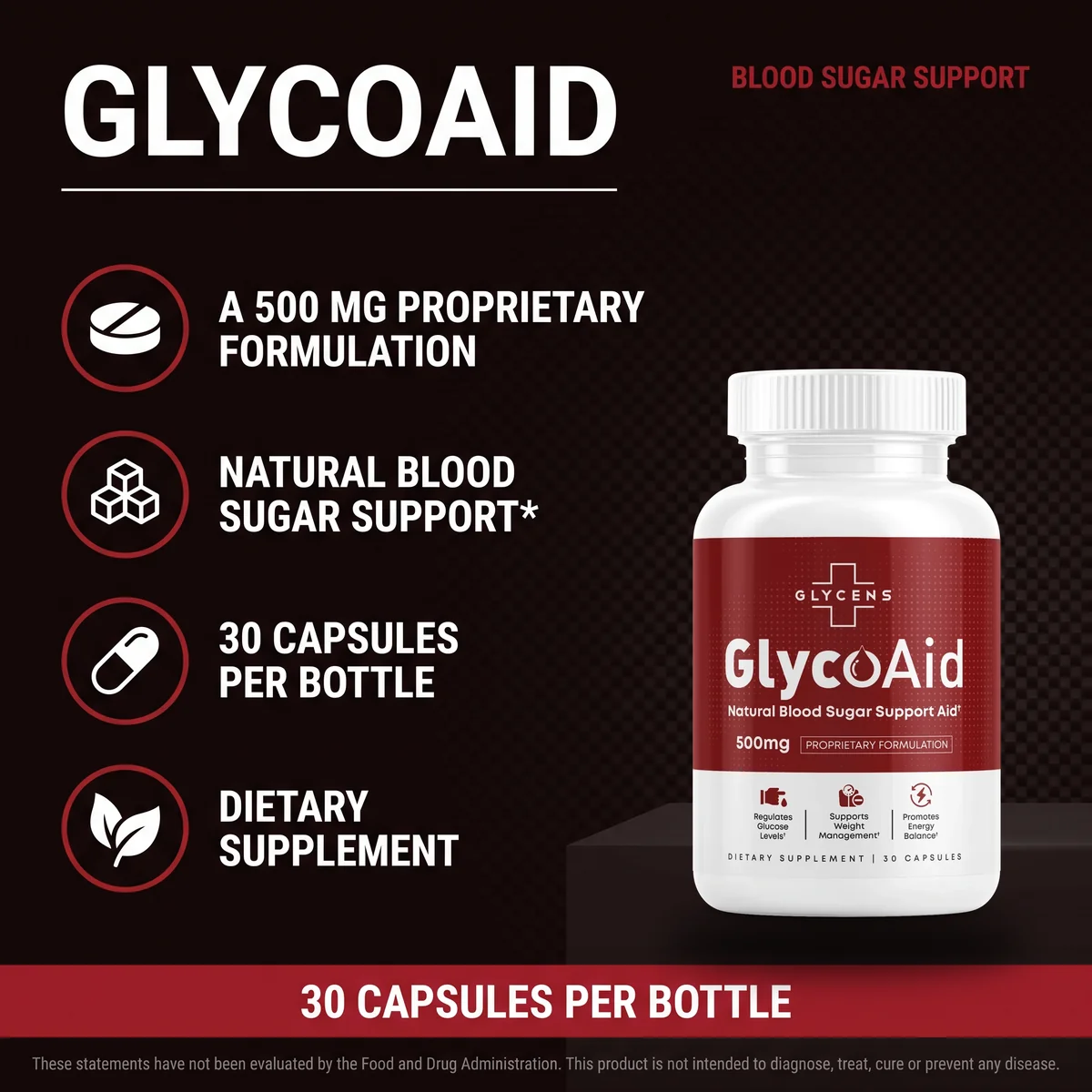
- Chromium is the mineral anchor beneath GlycoAid’s 500 mg botanical blend of cinnamon, berberine, banaba, gymnema and bitter melon.
- What the NIH says
- The NIH sets an Adequate Intake and calls chromium generally well tolerated, while noting the evidence for large glucose effects is mixed.
Chromium rarely makes headlines, yet it appears on most blood-sugar-wellness labels — including GlycoAid — because it is one of the few nutrients with an officially recognised role in how the body handles food. This deep dive covers what chromium does, what the NIH says, and why GlycoAid uses it as a base.
What is chromium, and what does it do for blood sugar?
Chromium is an essential trace mineral, meaning your body cannot make it and needs only microgram amounts from food. Its best-established job is metabolic: chromium contributes to the normal metabolism of macronutrients — the carbohydrates, fats and proteins in every meal — which puts it in the background of the process that governs blood sugar. A recognised role in normal metabolism is about maintaining a healthy process; it is not a claim that chromium lowers high blood sugar or treats disease.
Why is chromium called an “essential trace mineral”?
A trace mineral is one the body requires in very small quantities — micrograms rather than the milligrams needed for minerals like calcium — and “essential” means it must come from the diet because the body cannot synthesise it. Chromium sits alongside zinc, selenium and manganese in this group. Most people get enough from a varied diet, but processing strips chromium from refined grains and sugars and soil levels vary, so intake is often modest.
How does chromium support normal macronutrient metabolism?
Chromium supports normal macronutrient metabolism by taking part in the cellular machinery that responds to insulin, the hormone that ushers glucose from the blood into cells. Researchers have long proposed that chromium enhances insulin’s action, helping cells take up glucose more efficiently after a meal — which is why it is described in terms of metabolism rather than as acting on blood sugar directly. For the underlying research, see Asbaghi et al., Pharmacological Research 2020 — a systematic review and meta-analysis of chromium supplementation and glycemic control.
The mechanism is still being refined, but the agreed part is narrow and real: chromium participates in insulin-related metabolism, and a genuine deficiency can impair how the body handles glucose. What remains debated is how much a supplement helps people who are not deficient — which is why honest sources call chromium supportive, not curative.
What does chromium have to do with insulin?
Insulin is the key that unlocks cells so glucose can enter; chromium is thought to help that key turn more smoothly. Chromium’s proposed role is to support this insulin sensitivity as part of normal metabolism — a supporting actor, not the lead. For anyone on glucose-lowering medication, that overlap is why a doctor should weigh in first.
What does the NIH reference actually say about chromium?
The NIH Office of Dietary Supplements is the plain-language reference for chromium, and it is measured in tone: it recognises the mineral’s role in metabolism, publishes Adequate Intake values, and describes it as generally safe, while calling the evidence for large blood-sugar benefits from supplements mixed. The table below summarises the key figures. The evidence base for this point is set out in NIH Office of Dietary Supplements — Chromium, the federal fact sheet on chromium intakes and its recognised metabolic role.
| Group | Adequate Intake (AI) of chromium |
|---|---|
| Men, 19–50 years | 35 micrograms/day |
| Men, 51+ years | 30 micrograms/day |
| Women, 19–50 years | 25 micrograms/day |
| Women, 51+ years | 20 micrograms/day |
| Pregnancy / lactation | 29–45 micrograms/day |
Two details stand out. These are Adequate Intakes rather than firmer Recommended Dietary Allowances, because there was not enough data to set a stronger target — a sign of how much science is still learning. And there is no established Tolerable Upper Intake Level from food, because dietary chromium toxicity is rare. In short, the reference frames chromium as a nutrient worth getting enough of, not a high-dose intervention.
Why does chromium anchor the GlycoAid blend?
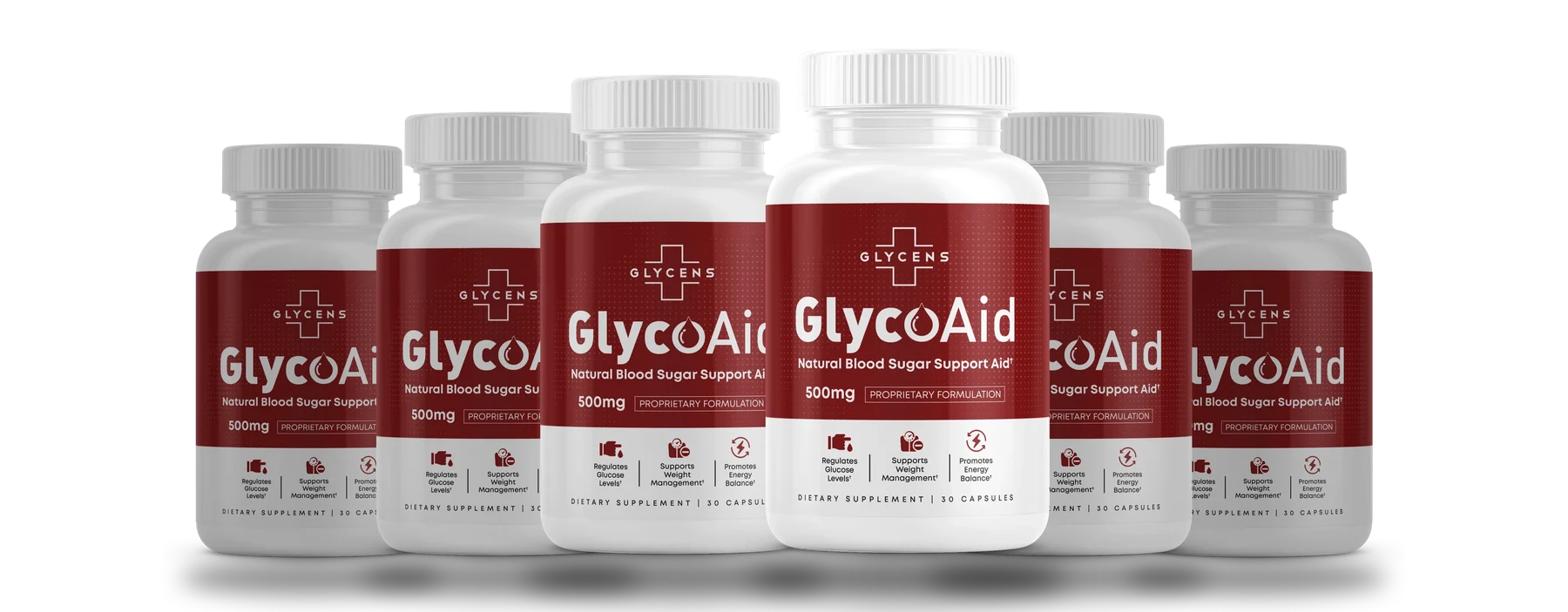
Chromium anchors GlycoAid because it is the one ingredient with an officially recognised metabolic role, giving the botanical blend a nutritional foundation rather than a purely herbal one. GlycoAid is a single daily capsule pairing this trace mineral with a 500 mg blend of cinnamon, berberine, banaba leaf, gymnema and bitter melon. For the botanical side, our guide to berberine and cinnamon for blood sugar goes deeper, and the homepage lists every ingredient in the full ingredients section.
See the exact dose in GlycoAid
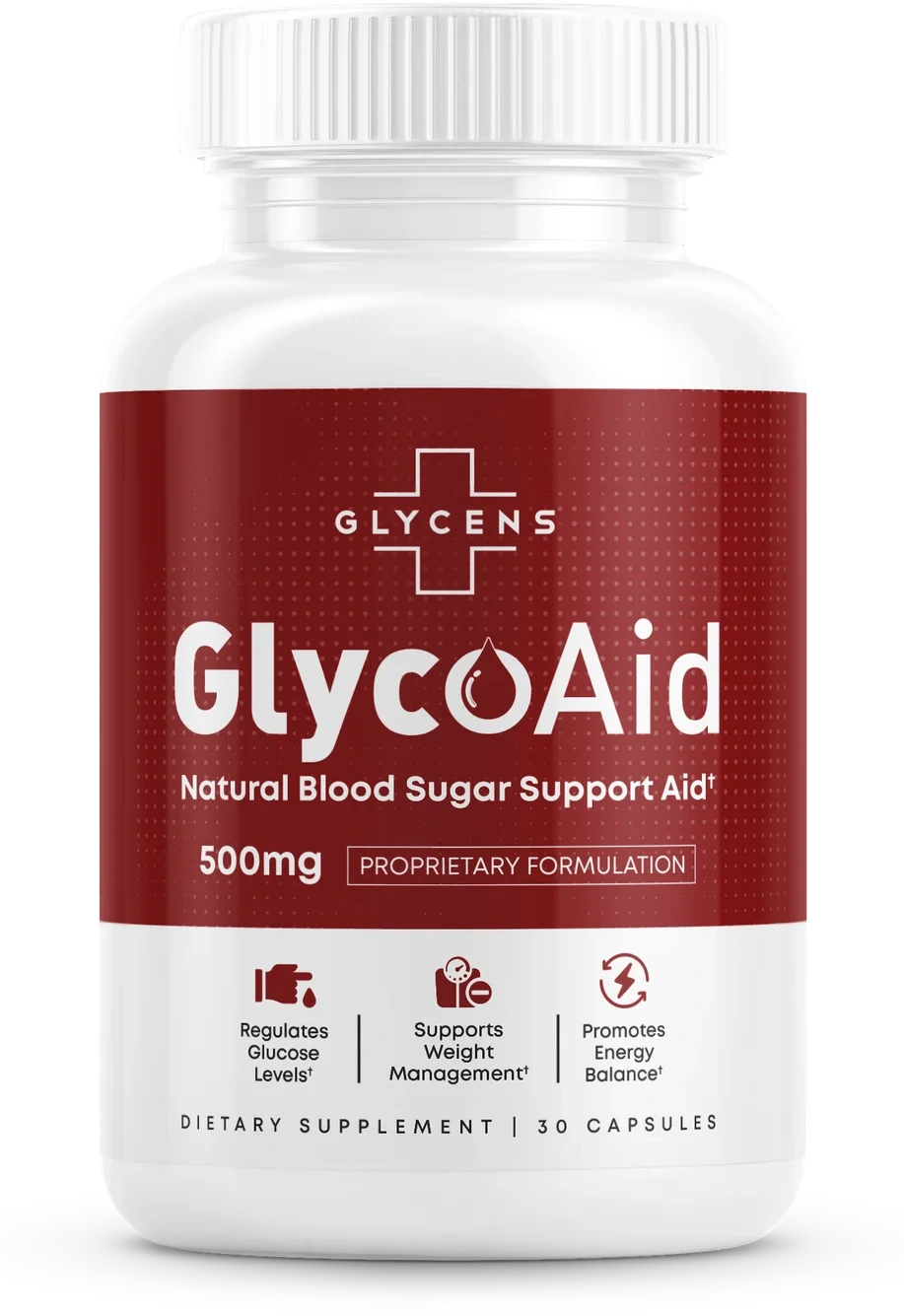
GlycoAid is a once-daily capsule pairing chromium with a 500 mg botanical blend. The six-bottle bundle is the best value, with free U.S. shipping and a 60-day money-back guarantee.
Check today’s GlycoAid pricing →How much chromium do you need, and where does it come from?
The daily need for chromium is small — measured in micrograms — and most should come from whole foods, with a supplement filling gaps rather than replacing the plate. Because refining removes chromium and soil levels vary, many diets sit at the modest end. This is documented in Althuis et al., American Journal of Clinical Nutrition 2002, a meta-analysis of glucose and insulin responses to dietary chromium supplements.
Which foods contain chromium?
Chromium is spread thinly across whole foods rather than concentrated in a few. The richer everyday sources include:
- Broccoli — among the more chromium-dense vegetables.
- Whole grains — barley, oats and whole wheat, before refining.
- Green beans and potatoes — steady everyday contributors.
- Lean meats and poultry — modest but reliable.
- Nuts and brewer’s yeast — traditional concentrated sources.
- Some fruit — apples and grapes add small amounts.
Which form of chromium is used in supplements?
Supplemental chromium comes in a few forms; the two most common on labels are chromium picolinate and chromium chloride. Picolinate is popular because it absorbs relatively well and features in much of the research. Whatever the form, the useful markers of quality are a clearly stated microgram dose, GMP manufacturing, and a sensible amount rather than a mega-dose.
| Form | Notes | Common use |
|---|---|---|
| Chromium picolinate | Chromium bound to picolinic acid; absorbed relatively well. | The most widely used and studied supplement form. |
| Chromium chloride | A simple, well-tolerated inorganic salt. | An older, common supplement form. |
| Chromium-enriched yeast | Chromium delivered in a food-based yeast matrix. | A whole-food-style option in some formulas. |
| Chromium nicotinate | Chromium bound to niacin. | Used in some combination products. |
Is chromium safe, and who should be cautious?
For most healthy adults, chromium from food and everyday supplements is generally well tolerated, which is why the NIH has not set an upper intake limit for dietary chromium; reported problems are uncommon and usually tied to very high doses. Still, certain groups should check with a clinician first:
- People on medication — especially glucose-lowering drugs, as effects can overlap.
- Anyone pregnant or nursing — stick to intakes discussed with a doctor.
- Those with kidney or liver concerns — these organs handle mineral clearance.
- People under 18 or with a diagnosed condition — supervision first.
This is the same “ask first” guidance that applies to the whole supplement category. GlycoAid is a dietary supplement for everyday support, not a medicine or a substitute for your doctor’s care.
How does chromium fit with GlycoAid’s botanicals and your habits?
Chromium is most useful as one layer in a stack, not a stand-alone fix — it works with the botanicals beside it in GlycoAid and, more importantly, with the daily habits that steady glucose. The mineral provides the recognised metabolic base, but your plate, your after-meal walk and your sleep do the heaviest lifting. Our guide to supporting healthy blood sugar naturally lays out that routine, and the best foods to balance blood sugar covers the plate in detail.
See the exact dose in GlycoAid →
When should you talk to a doctor about chromium?
Chromium and formulas that contain it are intended to support blood sugar already within a normal range, not to replace medical care. Speak with your doctor before starting if you are pregnant or nursing, under 18, take any medication — particularly glucose-lowering medicine — have a diagnosed condition, or notice persistent symptoms such as excessive thirst, frequent urination or unexplained weight change.
Frequently asked questions
What does chromium do for blood sugar?
Chromium is an essential trace mineral that contributes to normal macronutrient metabolism — the everyday processing of carbohydrates, fats and proteins. It is thought to help the body use insulin efficiently, though it is a nutritional support rather than a treatment for any condition.
How much chromium is in GlycoAid?
GlycoAid pairs a measured dose of chromium with a 500 mg botanical blend of cinnamon, berberine, banaba, gymnema and bitter melon in one daily capsule. For the exact amount per serving, check the Supplement Facts panel on the product page.
Is chromium safe to take every day?
For most healthy adults, chromium from food and supplements is generally well tolerated, and the NIH has not set a Tolerable Upper Intake Level because reported toxicity is rare. People who take medication, are pregnant or nursing, or have kidney or liver concerns should ask a doctor before adding a chromium supplement.
What is the best form of chromium in supplements?
Chromium picolinate and chromium chloride are the forms most often used in supplements and most studied for absorption. The picolinate form is popular because it is absorbed relatively well; the key is a quality-controlled product with a clearly stated dose.
Which foods are high in chromium?
Chromium appears in small amounts across whole foods: broccoli, whole grains, green beans, potatoes, lean meats, nuts and brewer’s yeast are among the richer everyday sources. Because amounts vary widely and refining removes chromium, intake is often modest.
Does chromium replace diet and exercise for blood sugar?
No. Chromium is a nutritional support that works alongside the habits that matter most — fibre-rich whole foods, movement after meals, sleep and steady weight. It complements those habits within GlycoAid and is not a substitute for them or for medical care.
Check today’s GlycoAid pricing →
GlycoAid is a dietary supplement, not a treatment for any medical condition. These statements have not been evaluated by the Food and Drug Administration. This product is not intended to diagnose, treat, cure or prevent any disease. Always consult a qualified healthcare professional about your individual needs.
References & further reading
- NIH Office of Dietary Supplements. Chromium — Health Professional Fact Sheet. ods.od.nih.gov/factsheets/Chromium-HealthProfessional
- NIH Office of Dietary Supplements. Chromium — Consumer Fact Sheet. ods.od.nih.gov/factsheets/Chromium-Consumer
- NCCIH. Diabetes and Dietary Supplements. nccih.nih.gov/health/diabetes-and-dietary-supplements
- Asbaghi et al. Effects of chromium supplementation on glycemic control in patients with type 2 diabetes: a systematic review and meta-analysis of randomized controlled trials. Pharmacological Research, 2020. pubmed.ncbi.nlm.nih.gov/32730903
- Examine.com. Chromium — evidence summary. examine.com/supplements/chromium
- Mayo Clinic. Chromium — drugs and supplements. mayoclinic.org/drugs-supplements-chromium
These references describe chromium and the surrounding habits in general terms and do not constitute evidence that any product treats, cures or prevents any condition.
Keep reading: how berberine and cinnamon work · the best foods to balance blood sugar · support blood sugar naturally · back to the GlycoAid blog · read the full GlycoAid review.