Biotin for blood sugar: the B-vitamin inside GlycoAid

Updated September 2026 · reviewed by the GlycoAid Research Team. We are an independent information resource, not a medical provider, and this article is educational rather than medical advice.
Biotin for blood sugar is best understood as background support, not a headline effect: biotin is a B-vitamin (vitamin B7) that helps your body turn carbohydrates, fats and proteins into usable energy, so it plays a quiet role in normal macronutrient metabolism. That is exactly why GlycoAid includes it — to round out the formula alongside chromium and a botanical blend — rather than to act as a standalone blood-sugar treatment.
What biotin does, and where it fits in GlycoAid.
- What it is
- Biotin, or vitamin B7, is a water-soluble vitamin that acts as a coenzyme for the enzymes that turn food into energy.
- Blood-sugar link
- Its role in normal macronutrient metabolism is well established; direct evidence that biotin alone lowers blood sugar in people is limited and mixed.
- Why it is in GlycoAid
- It complements chromium — the two support different parts of the same energy process — alongside a 500 mg botanical blend.
- Daily need
- The adequate intake for adults is just 30 mcg a day, and deficiency is rare, so most people get enough from food.
Biotin rarely gets the spotlight that berberine or cinnamon do, yet it appears in many metabolism formulas. This guide explains what biotin does, weighs the honest evidence for a blood-sugar link, and shows why it earns a place in GlycoAid next to chromium.
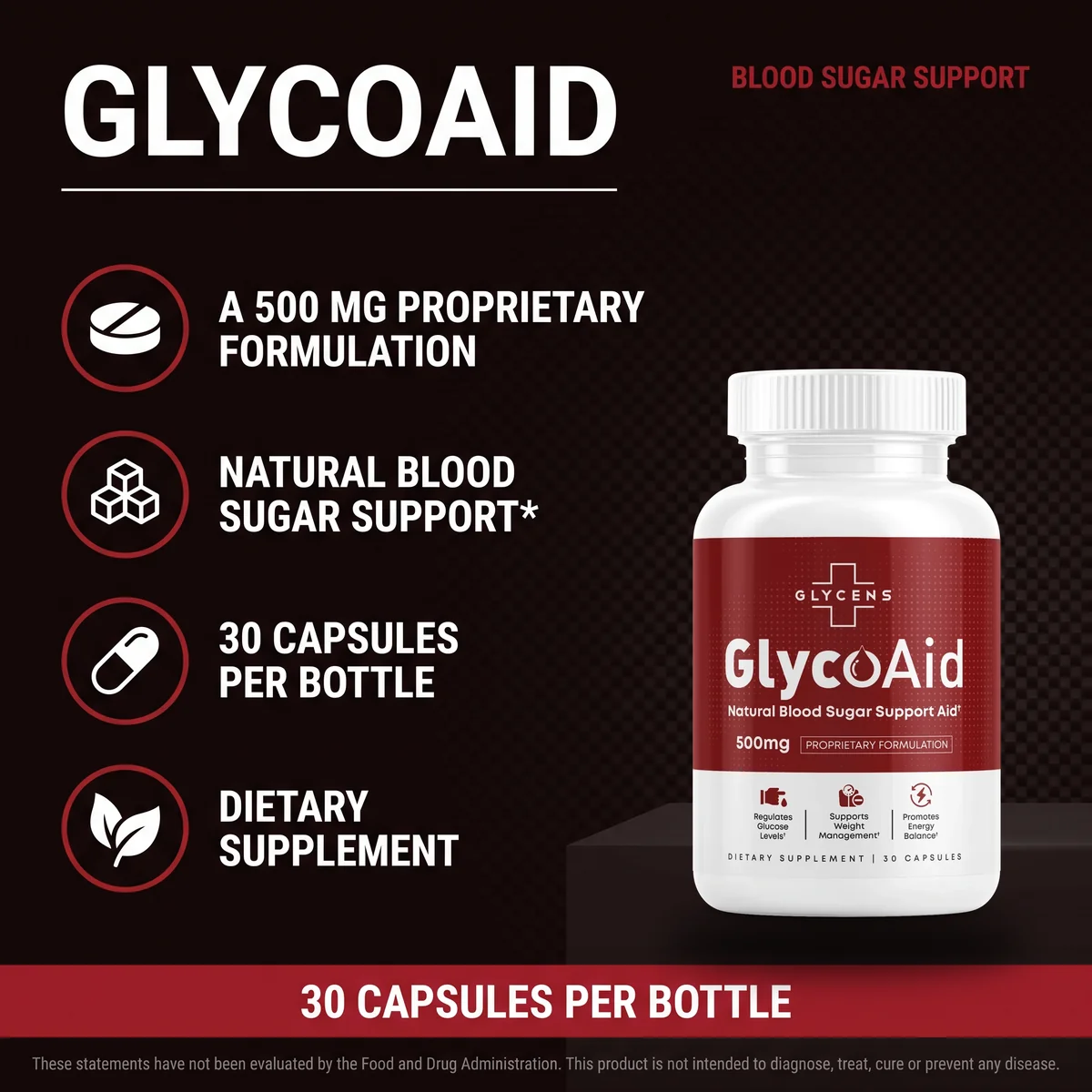
What is biotin, and what does it actually do?
Biotin is a water-soluble B-complex vitamin, also called vitamin B7, that works inside your cells as a coenzyme — a helper molecule that lets certain enzymes function. It is a cofactor for five carboxylase enzymes that metabolise carbohydrates, fatty acids and some amino acids. In everyday language, biotin helps your body convert food into energy, which is why it belongs to the B-vitamin family that keeps metabolism ticking over. For the underlying research, see Fernandez-Mejia et al., Journal of Nutritional Biochemistry 2005 — a review of the pharmacological effects of biotin, including its part in glucose metabolism.
Because biotin is water-soluble, your body stores little of it; you take in a little each day and clear the rest. That steady, low-level need is one reason it shows up so often in multivitamins — it is a maintenance nutrient, not a megadose hero.
Does biotin help blood sugar? The honest evidence
The honest answer: biotin supports the machinery of metabolism, but the case that biotin by itself meaningfully lowers blood sugar in healthy people is limited and mixed. It is a supporting nutrient with a plausible mechanism, not a proven glucose-lowering agent. The evidence base for this point is set out in Albarracin et al., Diabetes/Metabolism Research and Reviews 2008, a randomised trial of a chromium picolinate and biotin combination on glucose metabolism.
What the research actually shows
Biotin's essential role in carbohydrate and fat metabolism is textbook biochemistry. Some small human and laboratory studies have explored whether biotin — sometimes paired with chromium — influences glucose handling, and a few reported modest effects; but they are small, mixed in quality, and often combine biotin with other nutrients, so biotin cannot be credited alone. Its recognised role is in normal energy-yielding metabolism, which describes how the body works, not a claim to treat a condition.
Where the evidence is weak
Two honest caveats matter. First, most people are not biotin-deficient, so adding more does not fix a shortfall that was not there. Second, the strongest-sounding blood-sugar results tend to come from biotin-plus-chromium combinations, so the biotin cannot be credited alone. GlycoAid reflects this by using biotin as one supporting piece of a broader formula, not a marquee ingredient carrying disease claims.

Why is biotin in GlycoAid alongside chromium?
Biotin is in GlycoAid because it and chromium support different parts of the same everyday process: chromium contributes to normal macronutrient metabolism and helps insulin do its job, while biotin acts as a coenzyme that helps convert food into energy. Together they frame the botanical blend at the heart of GlycoAid. Neither is a treatment; both are recognised for the parts they play in normal metabolism.
| Nutrient | Type | Recognised everyday role |
|---|---|---|
| Biotin (B7) | Water-soluble B-vitamin | Coenzyme for enzymes that metabolise carbohydrates, fats and amino acids; contributes to normal energy-yielding metabolism. |
| Chromium | Essential trace mineral | Contributes to normal macronutrient metabolism and to the maintenance of normal blood-glucose levels. |
| Botanical blend | 500 mg plant complex | Cinnamon, berberine, banaba, gymnema and bitter melon — traditional blood-sugar-wellness botanicals. |
For a closer look at the plant side of the formula, read our guide to berberine and cinnamon for blood sugar, or see the full ingredients section.
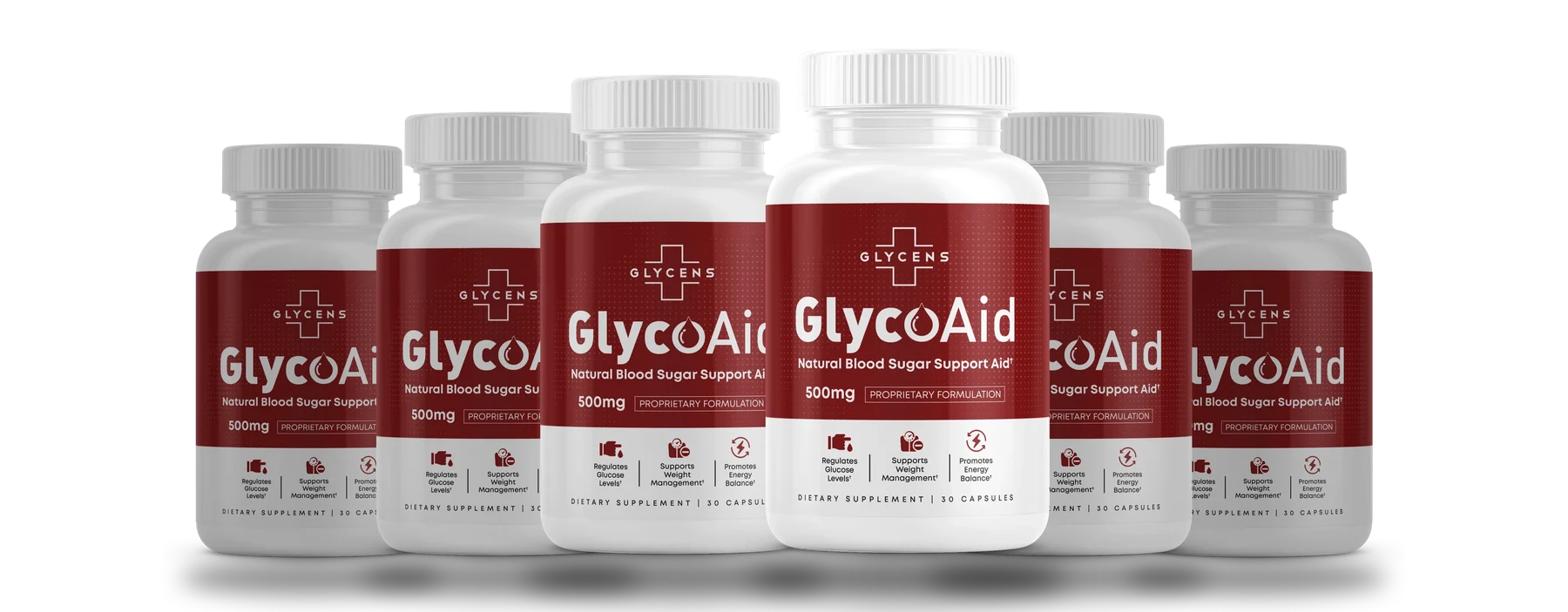
See the exact dose in GlycoAid
GlycoAid is a once-daily capsule that pairs biotin and chromium with a 500 mg botanical blend. The six-bottle bundle is the best value at $49 per bottle, with free U.S. shipping and a 60-day guarantee.
Order GlycoAid — from $49/bottleHow much biotin do you need each day?
The amount of biotin an adult needs each day is small: the U.S. adequate intake is 30 micrograms, with no established upper limit thanks to biotin's strong safety record. Because the requirement is modest and biotin is widespread in food, deficiency is uncommon in healthy people — so a biotin dose is usually about topping up a nutrient you already get, not rescuing a shortfall. The table below shows the adequate intake across life stages, from the U.S. National Institutes of Health.
| Life stage | Adequate intake (per day) | Notes |
|---|---|---|
| Adults 19+ | 30 mcg | Most adults meet this through everyday food. |
| Teens 14–18 | 25 mcg | Slightly lower than the adult figure. |
| Pregnancy | 30 mcg | Same as other adults; ask your doctor before supplementing. |
| Breastfeeding | 35 mcg | A small increase to cover milk output. |
Which foods are naturally rich in biotin?
Biotin is found in a wide range of everyday whole foods, which is the main reason deficiency is rare. Building meals around these sources usually covers your daily need without any supplement.
Foods that supply meaningful biotin include:
- Cooked eggs — the yolk is one of the richest sources; cooking deactivates a protein in raw whites that blocks biotin.
- Liver and organ meats — among the most concentrated animal sources.
- Salmon and other fish — protein plus a useful dose of biotin.
- Nuts and seeds — almonds, walnuts, sunflower seeds.
- Sweet potatoes — a whole-food carbohydrate rich in biotin.
- Legumes — beans, lentils and peanuts.
For a broader plate-building approach, see our guide to the best foods to balance blood sugar.
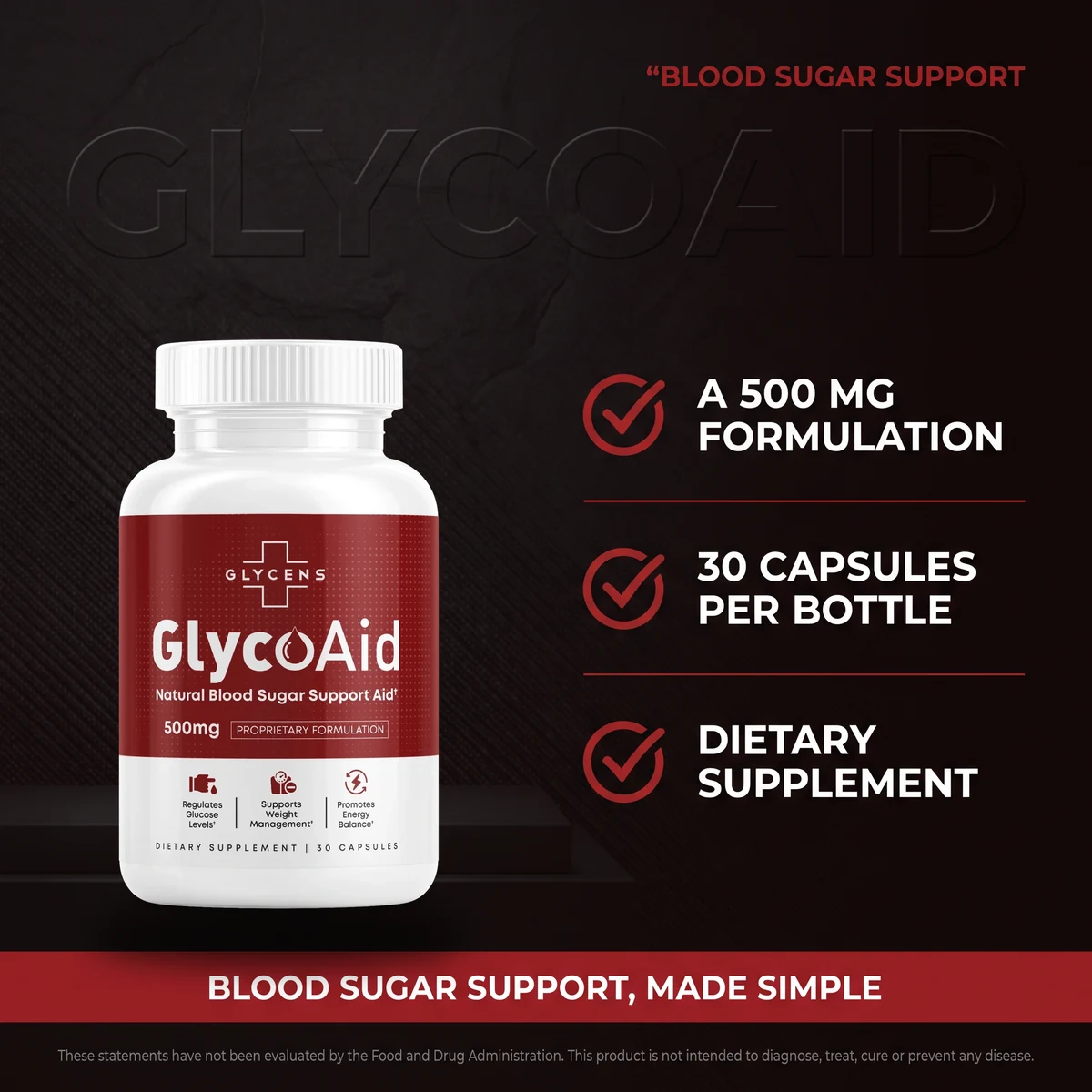
Who might consider a biotin supplement like GlycoAid?
A biotin supplement makes the most sense as part of a complete formula, not as a rescue for a deficiency most people do not have. Those drawn to a blend like GlycoAid usually want several recognised nutrients — biotin, chromium and traditional botanicals — in one daily capsule, on top of sensible food and movement habits.
Some people should pause first. If you are pregnant or nursing, under 18, take any medication (especially glucose-lowering medicine), or have a diagnosed condition, talk to your doctor before adding any supplement. GlycoAid is a supplement, not a treatment for any disease.
Is biotin safe, and can it affect lab tests?
Biotin is considered very safe, with no established upper limit, but there is one practical catch: high-dose biotin can interfere with certain laboratory blood tests. Because some assays use a biotin-based method, extra biotin can push results falsely high or low — including some thyroid and hormone panels. This is not a toxicity problem; it is a measurement problem. This is documented in NIH Office of Dietary Supplements — Biotin, the federal fact sheet on biotin intakes and functions.
The fix is simple: tell your doctor and the lab that you take biotin before any blood work, and ask whether to pause it for a day or two beforehand. Otherwise, at the modest amounts in a balanced formula, biotin's safety record is reassuring.
Check today's GlycoAid pricing →
How does biotin fit a simple daily routine?
Biotin is best thought of as a small, steady background nutrient supporting the everyday work of turning food into energy. A sensible routine puts food and movement first and lets a formula like GlycoAid handle the micronutrient top-up:
- Anchor meals in whole foods — eggs, fish, nuts and vegetables already carry biotin and fibre.
- Pair carbohydrates with protein or fat so glucose releases more slowly.
- Take a short walk after your biggest meal to soften the after-meal rise.
- Take GlycoAid once daily with a meal so the supplement step becomes automatic.
- Mention biotin before blood work so lab results stay accurate.
For the habits that move the needle most, see our guide to supporting healthy blood sugar naturally.
Frequently asked questions
Does biotin lower blood sugar?
Biotin is a B-vitamin that helps your body turn carbohydrates, fats and proteins into usable energy, so it plays a background role in normal macronutrient metabolism. Direct human evidence that biotin alone lowers blood sugar is limited and mixed, which is why GlycoAid uses it as a supporting nutrient rather than a standalone blood-sugar treatment.
What does biotin actually do in the body?
Biotin, also called vitamin B7, works as a coenzyme for five carboxylase enzymes involved in metabolising carbohydrates, fatty acids and certain amino acids. In plain terms, it helps convert the food you eat into energy, which is why it is grouped with the other B-complex vitamins.
How much biotin do I need each day?
The U.S. adequate intake for adults is 30 micrograms of biotin per day, and most people meet it easily through a normal diet. Deficiency is rare, so a supplement is about topping up rather than correcting a shortfall for the average person.
Which foods are highest in biotin?
Cooked eggs, especially the yolk, are among the richest sources, along with liver and other organ meats, salmon, nuts and seeds, sweet potatoes and legumes. A varied whole-food diet usually supplies enough biotin without any supplement.
Can biotin supplements interfere with lab tests?
Yes. High-dose biotin can skew certain blood tests, including some thyroid and hormone panels, giving falsely high or low readings. Tell your doctor you take biotin before any blood work, and ask whether to pause it beforehand.
Why is biotin in GlycoAid instead of just chromium?
GlycoAid pairs biotin with chromium because the two nutrients support different parts of the same everyday process: chromium contributes to normal macronutrient metabolism and helps insulin do its job, while biotin acts as a coenzyme that helps convert food into energy. Together they round out the formula alongside its botanical blend.
See the exact dose in GlycoAid — risk-free for 60 days →
GlycoAid is a dietary supplement, not a treatment for any medical condition. These statements have not been evaluated by the Food and Drug Administration. This product is not intended to diagnose, treat, cure or prevent any disease. Always consult a qualified healthcare professional about your individual needs.
References & further reading
- National Institutes of Health, Office of Dietary Supplements. Biotin — Fact Sheet for Health Professionals. ods.od.nih.gov/factsheets/Biotin-HealthProfessional
- National Institutes of Health, Office of Dietary Supplements. Chromium — Fact Sheet for Health Professionals. ods.od.nih.gov/factsheets/Chromium-HealthProfessional
- U.S. Food & Drug Administration. Biotin (Vitamin B7): Safety Communication — May Interfere with Lab Tests. fda.gov — biotin lab-test interference
- National Center for Complementary and Integrative Health (NCCIH). Diabetes and Dietary Supplements. nccih.nih.gov/health/diabetes-and-dietary-supplements
- Examine.com. Biotin — evidence-based summary. examine.com/supplements/biotin
- Fernandez-Mejia et al. Pharmacological effects of biotin. Journal of Nutritional Biochemistry, 2005. pubmed.ncbi.nlm.nih.gov/15992683
These references describe the ingredients and habits in general terms and do not constitute evidence that any product treats, cures or prevents any condition.
Keep reading: how to support healthy blood sugar naturally · how berberine and cinnamon work · back to the GlycoAid blog · the GlycoAid review.