Berberine and cinnamon for blood sugar: the GlycoAid ingredient guide

Updated September 2026 · reviewed by the GlycoAid Research Team. We are an independent information resource, not a medical provider, and this article is educational rather than medical advice.
Berberine and cinnamon are two of the most talked-about ingredients in everyday blood-sugar wellness — one a plant alkaloid, the other a familiar kitchen spice. This guide explains what each one is, how it is discussed in plain language, sensible dosing context, and exactly what to look for on a label, so you can read the science for yourself.
Two headline botanicals, side by side.
- Berberine
- A plant alkaloid from barberry and other botanicals; one of the most researched natural compounds in metabolic wellness.
- Cinnamon
- A polyphenol-rich culinary spice and one of the most popular botanicals in blood-sugar-support formulas.
- Why together
- They come from different plant families and are discussed for complementary reasons, so blends often pair them.
- Cautions
- Berberine can interact with medicines and is not for pregnancy or nursing; ask a doctor if you take prescriptions.
- In GlycoAid
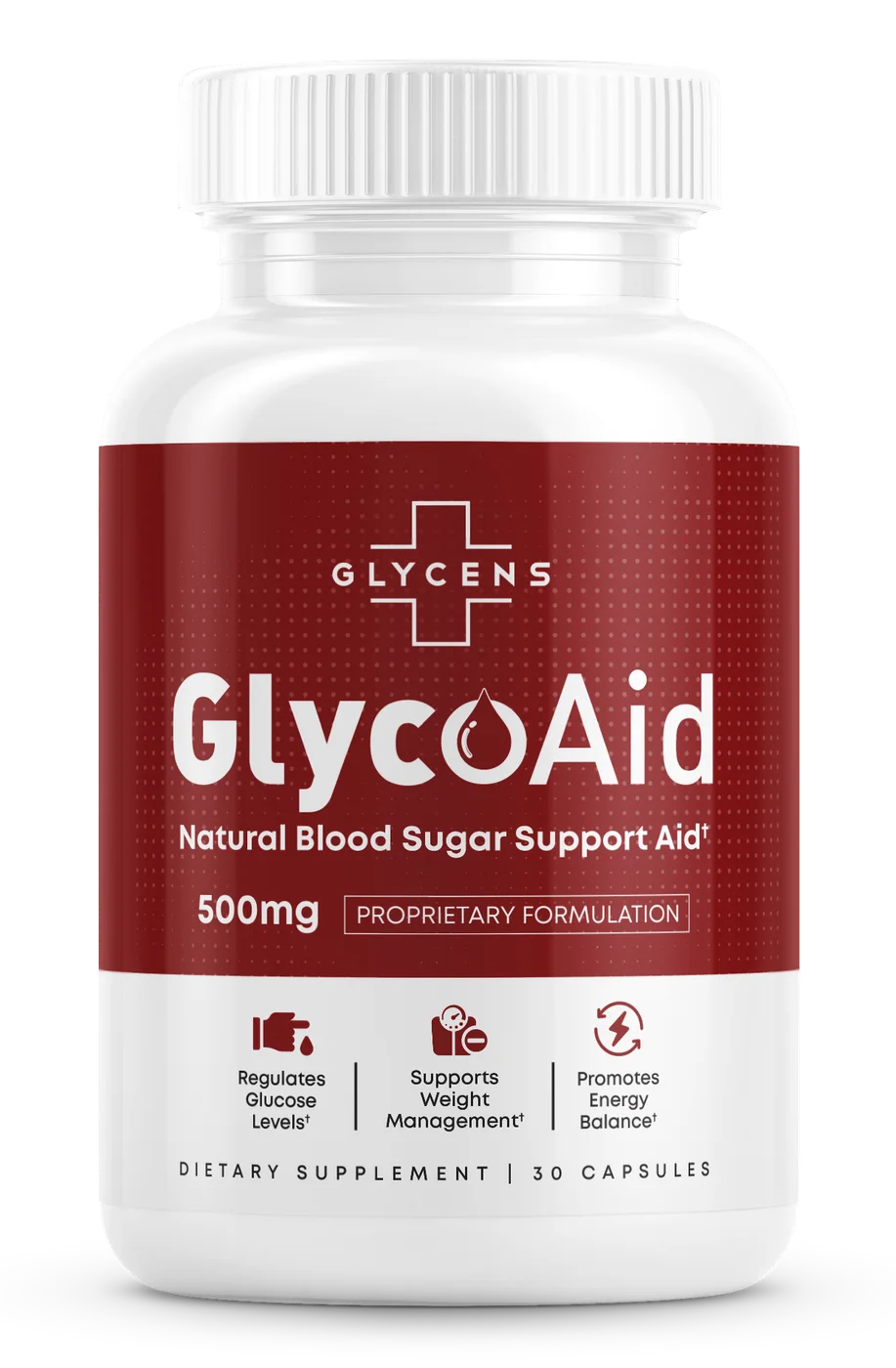
- Both appear in the 500 mg blend alongside chromium, banaba, gymnema and bitter melon — support, not a treatment.
Neither ingredient is a medicine, and neither treats, cures or prevents any disease. What follows is a clear look at why they appear in so many formulas, including GlycoAid, and how to judge a product that contains them.
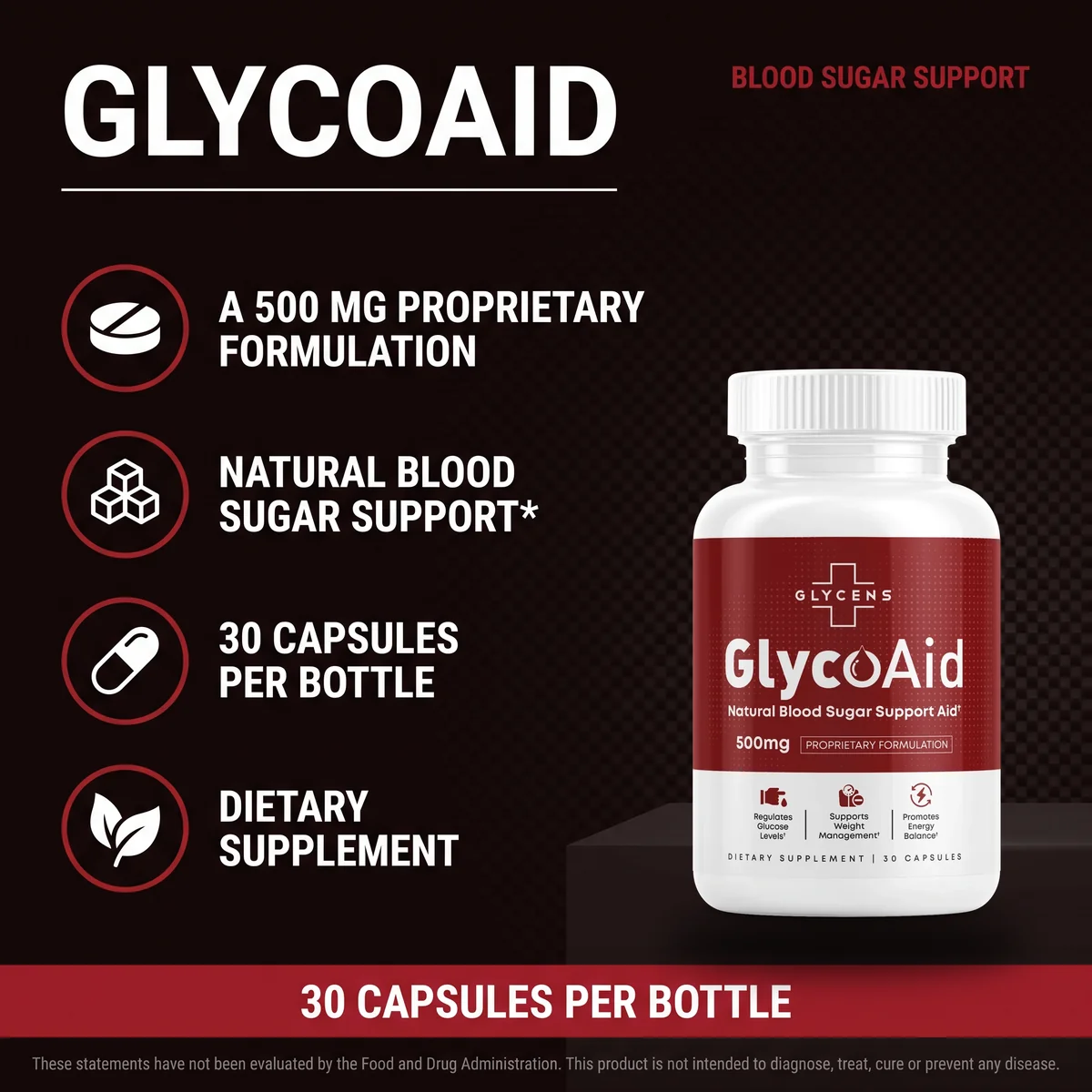
What is berberine?
Berberine is a naturally occurring alkaloid — a bitter, yellow plant compound — found in a number of botanicals, most famously barberry (Berberis), goldenseal and Oregon grape. It has a long history in traditional Chinese and Ayurvedic practice, and in the last two decades it has become one of the most studied natural compounds in the metabolic-wellness literature. That research interest is exactly why it turns up so often in modern blood-sugar-support blends. For the underlying research, see Guo et al., Oxidative Medicine and Cellular Longevity 2021 — a systematic review and meta-analysis of berberine and metabolic profiles.
In plain language, berberine is discussed for the way it interacts with the body’s energy-sensing pathways — the systems that help cells take up and use glucose. It is important to be precise here: berberine is a dietary-supplement ingredient, not a drug, and descriptions of its activity describe general and traditional use rather than a promise of any medical outcome.
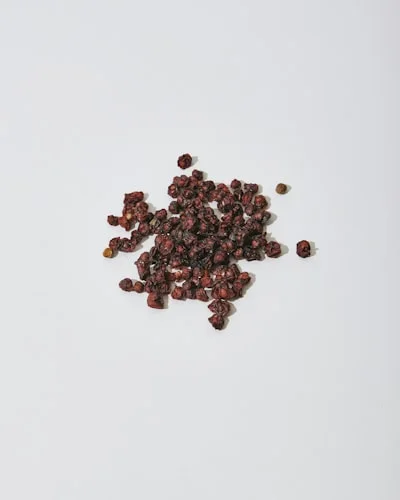
What is cinnamon, and why is it in so many formulas?
Cinnamon is one of the oldest spices in the world, harvested from the inner bark of Cinnamomum trees. Beyond the kitchen, it is prized as a rich source of plant polyphenols — antioxidant compounds that give the spice much of its character. Because it is pleasant, familiar and polyphenol-dense, cinnamon has become a mainstay of everyday blood-sugar-wellness formulas and a favourite sugar-free way to add flavour to coffee, oats and yoghurt. The evidence base for this point is set out in Moridpour et al., Phytotherapy Research 2024, an updated systematic review and meta-analysis of cinnamon supplementation and glycemic control.
Two broad types appear on labels: Ceylon (“true”) cinnamon and the more common cassia cinnamon. Ceylon is often preferred for daily use because it is naturally lower in coumarin, a compound found in higher amounts in cassia.
How are they thought to work?
Both ingredients are discussed as supports to the body’s own everyday handling of dietary sugars, rather than as levers that force a change. Here is the plain-language thinking, side by side.
| Ingredient | What it is | How it is discussed |
|---|---|---|
| Berberine | Plant alkaloid from barberry and related botanicals | Studied for its interaction with cellular energy pathways involved in glucose uptake. |
| Cinnamon | Polyphenol-rich bark spice | A traditional, antioxidant-rich botanical popular in metabolic-wellness blends. |
| Chromium (partner) | Essential trace mineral | Contributes to normal macronutrient metabolism — the mineral base of many blends. |
| Banaba (partner) | Tropical leaf | A source of corosolic acid, widely studied alongside these botanicals. |
Because they come from different plant families and are discussed for complementary reasons, berberine and cinnamon are frequently combined — and paired with a mineral such as chromium — so a single serving can cover several angles at once.
Sensible dosing context
Supplement labels vary widely, and more is not automatically better. With berberine, formulas commonly split the daily amount across servings because it is cleared from the body fairly quickly; with cinnamon, everyday culinary-to-supplement amounts are typical. Rather than chase a number, the sensible approach is to follow the directions on the label, start with the suggested serving, and give any botanical several weeks of consistent use — botanicals build their support gradually.
GlycoAid places both ingredients inside a single 500 mg proprietary blend taken as one capsule a day, so you do not have to assemble a stack of separate bottles. Individual amounts within a proprietary blend are not broken out on the label, which is standard for blends of this kind.
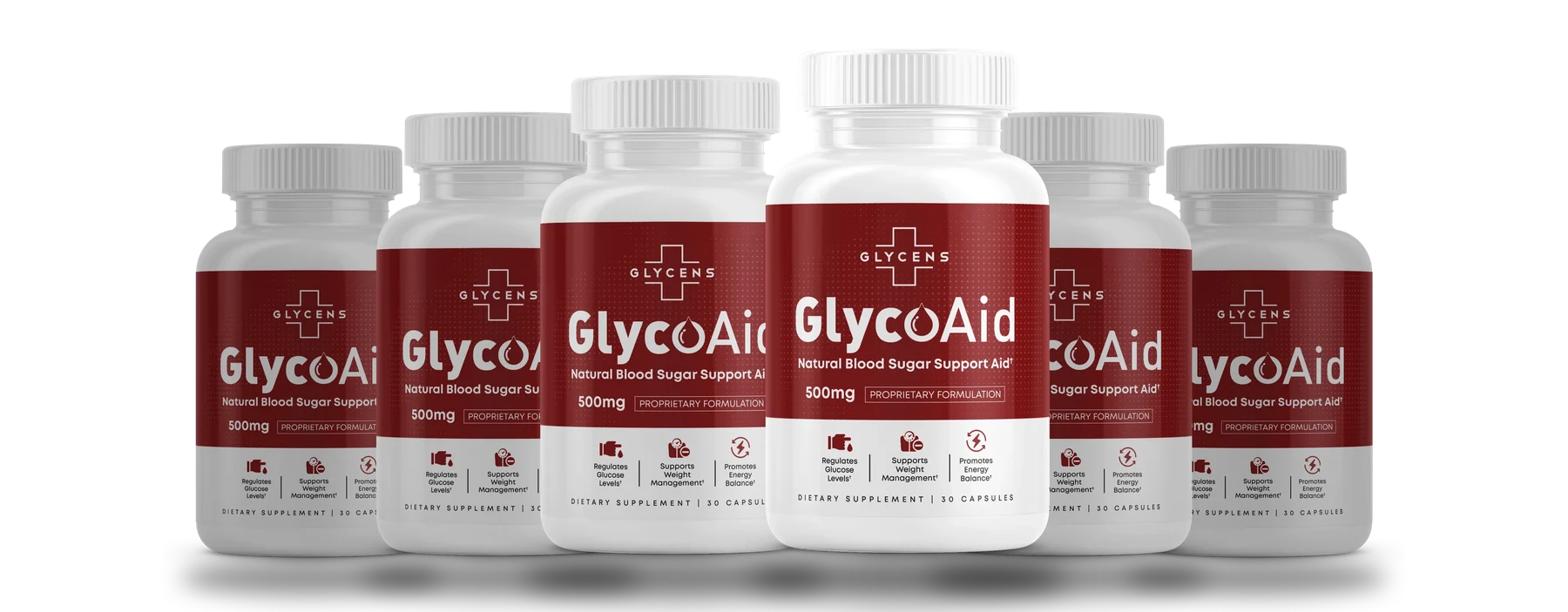
Berberine and cinnamon in one capsule
GlycoAid combines both botanicals with chromium and a wider 500 mg blend — no stacking separate bottles. The six-bottle bundle is the best value at $49 per bottle, with free U.S. shipping and a 60-day guarantee.
Order GlycoAid — from $49/bottleWhat to look for on a label
Whether you choose GlycoAid or compare another product, the same signals separate a considered formula from a careless one:
- A clearly named blend — you should be able to see every botanical and mineral listed.
- A quality facility — made in an FDA-registered, GMP-compliant facility.
- Non-GMO sourcing and a vegetarian-friendly capsule where possible.
- Sensible directions — a clear daily serving and usage instructions.
- Honest language — support-style claims, not promises to treat or cure.
Cautions and who should be careful
Berberine in particular deserves respect: it can interact with a range of medications and is not recommended during pregnancy or nursing. Anyone taking prescription medicine — especially glucose-lowering drugs — should talk with a doctor before starting a berberine-containing supplement. Cinnamon is generally well tolerated as a food and supplement, though people sensitive to coumarin may prefer Ceylon cinnamon. As with any supplement, keep it out of the reach of children and do not exceed the recommended dose. This is documented in NIH NCCIH — Cinnamon, the federal summary of the cinnamon evidence.
Frequently asked questions
What is berberine and how is it discussed for blood sugar?
Berberine is a plant alkaloid found in barberry and other botanicals. It is one of the most researched natural compounds in the metabolic and blood-sugar-wellness conversation, though it is a supplement ingredient, not a treatment for any disease.
How is cinnamon thought to support blood sugar?
Cinnamon is a culinary spice rich in plant polyphenols. It is one of the most popular botanicals in everyday blood-sugar-wellness formulas and is valued as a flavourful, sugar-free way to enrich food and drinks.
Should berberine and cinnamon be taken together?
They are often combined in blood-sugar-support blends because they come from different plant families and are discussed for complementary reasons. GlycoAid pairs both with chromium and other botanicals in one capsule.
Are there any cautions with berberine?
Berberine can interact with some medications and is not suitable during pregnancy or nursing. Anyone taking prescription medicine, especially glucose-lowering drugs, should speak with a doctor before using a berberine-containing supplement.
What should I look for on a supplement label?
Look for a clearly named ingredient list, a manufacturer that uses an FDA-registered, GMP-compliant facility, non-GMO sourcing, and a sensible daily serving. Transparency about the blend and dosing directions matters most.
Do these ingredients replace diet and exercise?
No. Berberine, cinnamon and other botanicals are designed to support a balanced diet and regular activity, which remain the foundation of steady blood sugar. They are not a treatment for any condition.
Try GlycoAid risk-free for 60 days →
GlycoAid is a dietary supplement, not a treatment for any medical condition. These statements have not been evaluated by the Food and Drug Administration. This product is not intended to diagnose, treat, cure or prevent any disease. Always consult a qualified healthcare professional about your individual needs.
References & further reading
- Examine.com. Berberine — evidence-based summary. examine.com/supplements/berberine
- National Center for Complementary and Integrative Health (NCCIH). Cinnamon. nccih.nih.gov/health/cinnamon
- National Institutes of Health, Office of Dietary Supplements. Chromium — Fact Sheet for Health Professionals. ods.od.nih.gov/factsheets/Chromium-HealthProfessional
- Guo et al. The Effect of Berberine on Metabolic Profiles in Type 2 Diabetic Patients: A Systematic Review and Meta-Analysis of Randomized Controlled Trials. Oxidative Medicine and Cellular Longevity, 2021. pubmed.ncbi.nlm.nih.gov/34956436
- Examine.com. Cinnamon — evidence-based summary. examine.com/supplements/cinnamon
These references describe the ingredients in general terms and do not constitute evidence that any product treats, cures or prevents any condition.
Keep reading: how to support healthy blood sugar naturally · the best foods to balance blood sugar · back to the GlycoAid blog · homepage.