The best foods to balance blood sugar: the GlycoAid nutrition guide

Updated September 2026 · reviewed by the GlycoAid Research Team. We are an independent information resource, not a medical provider, and this article is educational rather than medical advice.
The best foods to balance blood sugar share one trait: they slow the rate at which sugar enters your bloodstream. That means whole, fibre-rich plants, quality protein and healthy fats — and, just as importantly, pairing and portioning them well. This guide lists them group by group, adds a glycemic-impact table and a sample balanced day, and shows where a formula like GlycoAid fits.
The blood-sugar-friendly plate, in one place.
- The foundation
- Fill half your plate with non-starchy vegetables, a quarter with protein, and a quarter with whole, intact carbohydrates.
- Best carbohydrates
- Beans, lentils, oats, barley, quinoa and whole fruit — fibre-rich and slow to digest.
- Best partners
- Protein and healthy fat at every meal slow digestion and blunt the after-meal spike.
- Foods to limit
- Refined flour, sugary drinks, sweets and fruit juice, which release sugar quickly.
- Where GlycoAid fits
- As a daily capsule to support a balanced diet — not a replacement for whole foods, and not a treatment.
No single food “balances” blood sugar on its own; it is the overall pattern that counts. Still, some foods make steadiness far easier than others. Below is the whole-food toolkit, organised by group, followed by the practical tricks that make each one work harder.
Why do some foods keep blood sugar steadier?
When you eat carbohydrates, your body breaks them into glucose. How quickly that glucose arrives depends on the food’s fibre, protein and fat content, and on how processed it is. A slice of white bread is digested almost as fast as table sugar; a bowl of lentils, wrapped in fibre and protein, releases its energy slowly. The goal of blood-sugar-friendly eating is simply to favour the slow-release foods and to slow the fast ones down with smart pairing. For the underlying research, see Chiavaroli et al., BMJ 2021 — a systematic review and meta-analysis of low-glycaemic-index dietary patterns.
The best foods, group by group
1. Non-starchy vegetables
These are the backbone of a steady plate: high in fibre and water, low in digestible carbohydrate. Leafy greens, broccoli, cauliflower, peppers, courgette, green beans, mushrooms, asparagus and tomatoes can be eaten generously. Aim to fill half your plate with them, and eat them first.
2. Beans, lentils and chickpeas
Legumes are a rare package of slow carbohydrate, plant protein and soluble fibre all at once, which is why they consistently rank among the most blood-sugar-friendly carbohydrate foods. Add them to soups, salads and stews, or swap some of the rice on your plate for lentils.
3. Whole, intact grains
The word intact matters: steel-cut oats, barley, quinoa, buckwheat and brown rice keep their fibrous structure, so they digest more slowly than anything milled into flour. The finer a grain is ground, the faster it raises glucose — so whole beats refined every time.
4. Nuts, seeds and healthy fats
Almonds, walnuts, chia, flax, pumpkin seeds, olive oil and avocado add fat and fibre that slow digestion and add satisfaction. A small handful of nuts turns a piece of fruit into a steadier snack.
5. Quality protein
Protein at every meal blunts the glucose rise and keeps you full. Eggs, fish, poultry, tofu, tempeh, Greek yoghurt and cottage cheese are all excellent anchors for a plate.
6. Whole fruit, especially berries
Whole fruit comes with fibre that slows its natural sugar. Berries, cherries, apples, pears and citrus are lower-impact choices; enjoy them whole rather than juiced.
Support your routine with GlycoAid →
A glycemic-impact cheat sheet
The glycemic index (GI) ranks how quickly a carbohydrate food raises blood glucose. It is a helpful guide — not a rulebook, since portion and pairing matter too. This table sorts common foods into rough bands. The evidence base for this point is set out in Xie et al., Clinical Nutrition 2021, a systematic review and meta-analysis of soluble fibre supplementation and glycemic control.
| Impact band | Everyday examples | How to use it |
|---|---|---|
| Gentle | Non-starchy veg, lentils, beans, berries, nuts, Greek yoghurt | Build most meals from these. |
| Moderate | Oats, barley, quinoa, sweet potato, whole fruit, whole-grain bread | Sensible portions, paired with protein or fat. |
| Steep | White bread, white rice, sugary cereal, pastries | Smaller portions; pair with vegetables and protein. |
| Fastest | Sugary drinks, fruit juice, sweets, honey | Treat as occasional; swap drinks for water or tea. |

Three tricks that make good foods work harder
What you eat matters most, but a few habits multiply the benefit of any meal. The eating-order habit in particular has been tested directly: see Shukla et al., Diabetes, Obesity and Metabolism 2019, a crossover study of food order and postprandial glycaemic excursions in prediabetes. The three worth building in:
- Eat in order. Vegetables and protein first, starch last, measurably lowers the after-meal spike.
- Pair every carbohydrate. Add protein, fat or fibre so sugar releases more slowly — fruit with nuts, toast with eggs.
- Walk it off. A 10-to-15-minute walk after your biggest meal lets working muscles pull glucose from the blood.
A daily capsule alongside your plate
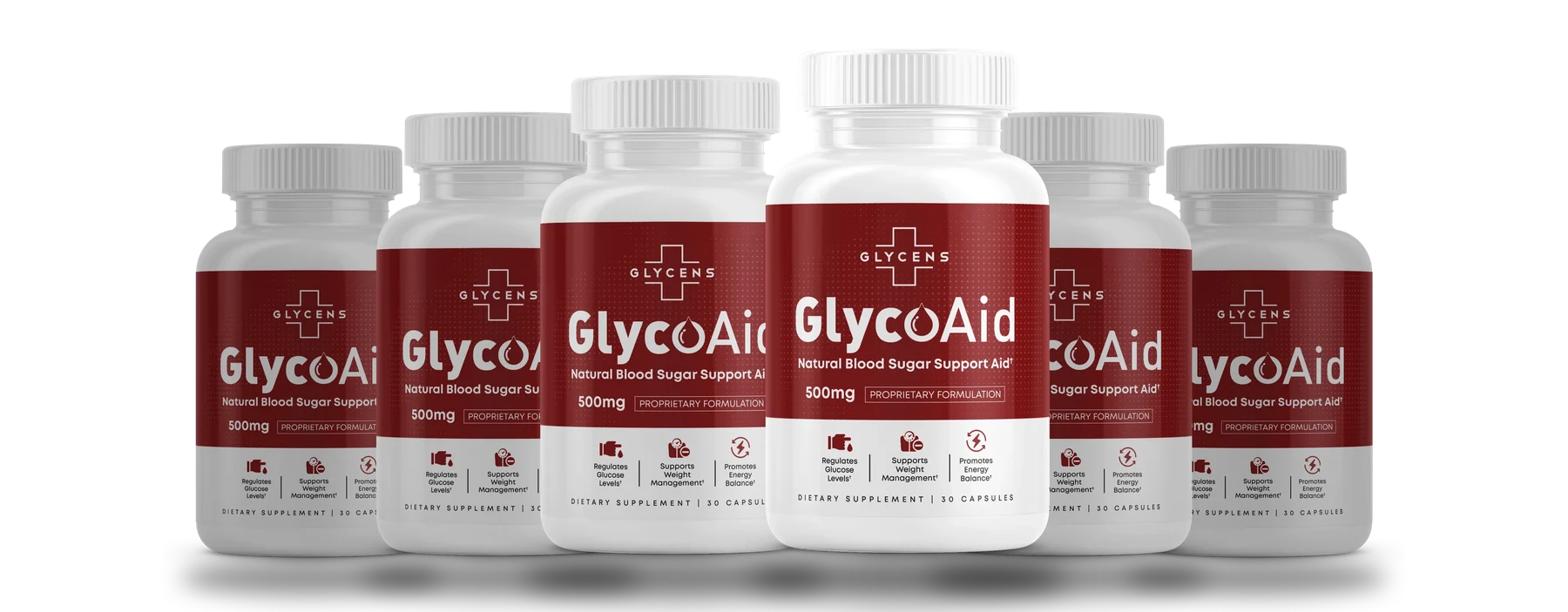
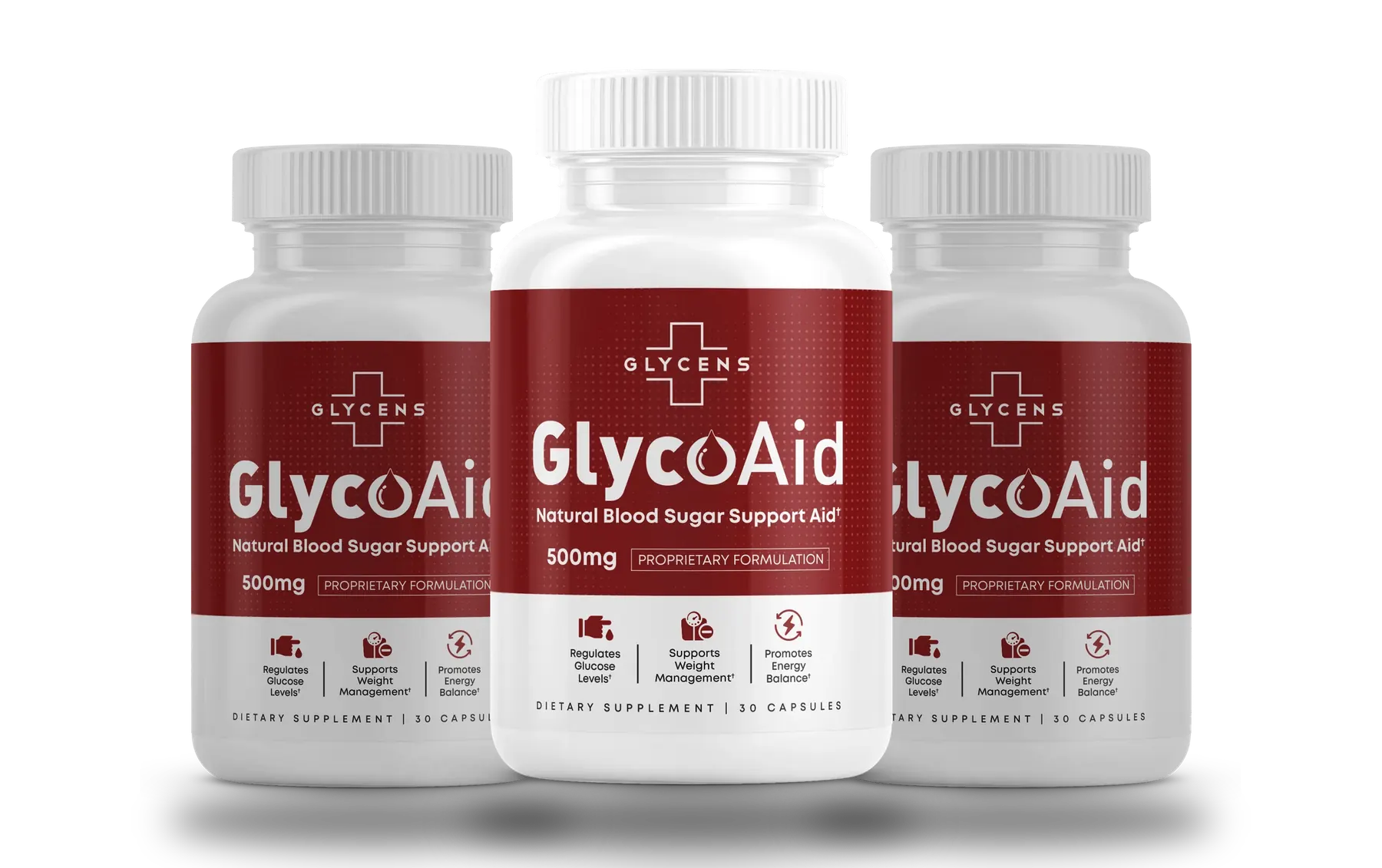
GlycoAid pairs chromium with a 500 mg botanical blend of cinnamon, berberine, banaba and gymnema — designed to support a balanced diet, not replace it. The six-bottle bundle is the best value at $49 per bottle.
Order GlycoAid — from $49/bottleWhat a balanced day looks like
You do not need a rigid meal plan — just a repeatable shape for each meal. Here is one simple, blood-sugar-friendly day as a template.
| Meal | Example | Why it works |
|---|---|---|
| Breakfast | Greek yoghurt, berries and a spoon of chia and nuts | Protein and fibre lead; sugar arrives slowly. |
| Lunch | Big salad with lentils, olive oil and grilled chicken | Half the plate vegetables, protein and fibre alongside. |
| Snack | An apple with a small handful of almonds | Fat and fibre blunt the fruit’s natural sugar. |
| Dinner | Salmon, roasted vegetables and a scoop of quinoa | Protein and veg first; a modest whole-grain portion. |
| Drinks | Water, unsweetened tea or coffee through the day | No fibre-free liquid sugar to spike glucose. |
When to talk to a doctor
A blood-sugar-friendly diet supports levels already within a normal range; it is not a treatment for any condition. If you take glucose-lowering medication, are pregnant or nursing, or notice persistent symptoms such as excessive thirst, frequent urination or unexplained fatigue, speak with your doctor before making big changes or adding a supplement.
Frequently asked questions
What are the best foods to balance blood sugar?
Non-starchy vegetables, beans and lentils, whole intact grains, nuts and seeds, quality protein, and whole fruit such as berries. These are high in fibre, protein or healthy fat, which slow digestion and soften the after-meal glucose rise.
What is the glycemic index and does it matter?
The glycemic index ranks how quickly a carbohydrate food raises blood glucose. Lower-GI foods raise it more gently. It is a useful guide, but portion size and what you eat alongside a food matter just as much.
Are fruits bad for blood sugar?
Whole fruit is generally fine for most people because its fibre slows sugar absorption. Berries, apples, pears and citrus are lower-impact choices. Fruit juice, which is fibre-free, raises glucose much faster than whole fruit.
What should I eat for breakfast to keep blood sugar steady?
Anchor breakfast in protein and fibre rather than refined carbohydrate alone. Eggs with vegetables, Greek yoghurt with nuts and berries, or oats with seeds and protein all start the day on steadier ground.
Do I need to avoid all carbohydrates?
No. Most people do best choosing whole, fibre-rich carbohydrates in sensible portions and pairing them with protein, fat or vegetables, rather than cutting carbohydrates out entirely.
Can supplements replace a blood-sugar-friendly diet?
No. Diet and activity are the foundation. A supplement such as GlycoAid is designed to support a balanced routine, not to replace whole foods, and it is not a treatment for any condition.
Try GlycoAid risk-free for 60 days →
GlycoAid is a dietary supplement, not a treatment for any medical condition. These statements have not been evaluated by the Food and Drug Administration. This product is not intended to diagnose, treat, cure or prevent any disease. Always consult a qualified healthcare professional about your individual needs.
References & further reading
- National Center for Complementary and Integrative Health (NCCIH). Diabetes and Dietary Supplements. nccih.nih.gov/health/diabetes-and-dietary-supplements
- National Institutes of Health, Office of Dietary Supplements. Chromium — Fact Sheet for Health Professionals. ods.od.nih.gov/factsheets/Chromium-HealthProfessional
- Xie et al. Effects of soluble fiber supplementation on glycemic control in adults with type 2 diabetes mellitus: A systematic review and meta-analysis of randomized controlled trials. Clinical Nutrition, 2021. pubmed.ncbi.nlm.nih.gov/33162192
- Examine.com. Banaba (Lagerstroemia speciosa). examine.com/supplements/banaba
- National Center for Complementary and Integrative Health (NCCIH). Cinnamon. nccih.nih.gov/health/cinnamon
These references describe foods and ingredients in general terms and do not constitute evidence that any product treats, cures or prevents any condition.
Keep reading: how to support healthy blood sugar naturally · how berberine and cinnamon work · back to the GlycoAid blog · homepage.