Cinnamon vs gymnema for blood sugar: how GlycoAid pairs both

Updated September 2026 · reviewed by the GlycoAid Research Team. We are an independent information resource, not a medical provider, and this article is educational rather than medical advice.
Cinnamon versus gymnema is really a question of spice versus Ayurvedic herb: cinnamon is a culinary bark studied mainly for how it may support insulin signalling and after-meal glucose, while gymnema is a traditional Indian vine known for dulling sweet taste and supporting the way the gut handles sugar. Because the two work through different mechanisms, the more useful question is rarely which one wins — it is whether pairing them, as GlycoAid does, gives you broader everyday support than either alone.
Cinnamon or gymnema — the honest, one-screen verdict.
- Short answer
- Neither is clearly “better.” They act differently, so combining them tends to make more sense than choosing a single herb.
- Cinnamon (the spice)
- A warming bark studied for insulin sensitivity and gentler after-meal glucose; evidence is mixed and dose-dependent.
- Gymnema (the herb)
- Ayurveda’s gurmar, or “sugar destroyer,” known for blunting sweet cravings and supporting sugar handling in the gut.
- Best of both
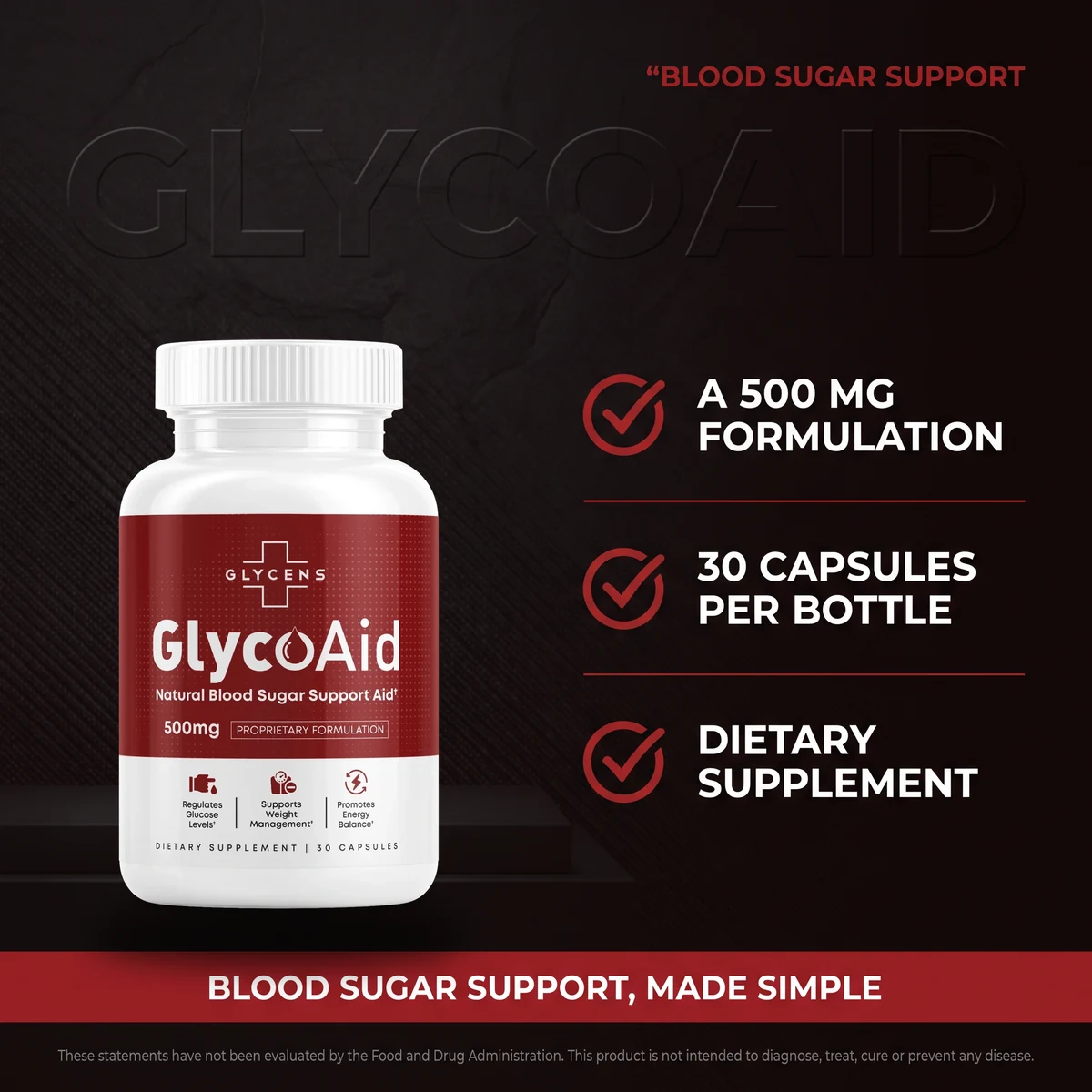
- GlycoAid pairs cinnamon and gymnema inside one 500 mg botanical blend, so you do not have to pick a side.
- Important caveat
- These are supports for blood sugar already within a normal range — not a treatment. Medication users should ask a doctor first.
Cinnamon and gymnema are the two headline botanicals in almost every blood-sugar-wellness formula, yet they lean on different biology. This guide compares them fairly — origin, mechanism, evidence, dose and safety — then shows why a well-built formula like GlycoAid treats them as partners rather than rivals.
What is the real difference between cinnamon and gymnema?
The core difference is category: cinnamon is a spice and gymnema is a medicinal herb, and that shapes how each is used. Cinnamon is the dried inner bark of Cinnamomum trees, familiar in kitchens and dosed in grams. Gymnema sylvestre is a woody climbing vine from India and Africa, used for centuries in Ayurveda and dosed as a concentrated leaf extract in milligrams. One flavours your porridge; the other is taken deliberately for its effect.
Where does each one come from?
Cinnamon splits into two commercial types worth knowing. Cassia cinnamon — the common supermarket kind — is stronger-tasting but higher in a compound called coumarin. Ceylon or “true” cinnamon is milder and much lower in coumarin, which is why quality supplements often specify it. Gymnema has no such split: it is prized for the leaf, whose active saponins (gymnemic acids) give the plant its famous trick of switching off the tongue’s sweet receptors for up to an hour.
How does each one work in the body?
Cinnamon and gymnema support blood sugar through separate, complementary routes rather than the same one — which is precisely why pairing them is logical rather than redundant. For the underlying research, see Moridpour et al., Phytotherapy Research 2024 — an updated systematic review and meta-analysis of cinnamon supplementation and glycemic control.
How is cinnamon thought to act?
Cinnamon is studied mainly for the bloodstream side of the equation. Laboratory and clinical work suggests its polyphenols may support insulin sensitivity — how readily cells respond to insulin’s signal — and may slow carbohydrate breakdown in the gut, softening the after-meal glucose rise. The human evidence is genuinely mixed: some trials show modest reductions in fasting glucose, others show little, and results vary by type and dose. It is best described as a promising, food-grade support, not a proven therapy.
How is gymnema thought to act?
Gymnema works closer to the mouth and gut. Its gymnemic acids resemble sugar molecules closely enough to occupy sweet-taste receptors on the tongue, temporarily making sweet foods taste bland — a real, easily demonstrated effect that can help curb cravings. In the intestine, similar molecules may partially block sugar absorption. Gymnema is one of the most-studied herbs in the blood-sugar-wellness space, though, as with cinnamon, most trials are small and the herb is a support, not a cure.
What does the evidence actually say?
The honest summary is that both herbs have encouraging but limited human evidence, and neither has earned a “treatment” claim. Below is a side-by-side of where each stands. The evidence base for this point is set out in Zamani et al., Phytotherapy Research 2023, a systematic review and meta-analysis of Gymnema sylvestre supplementation.
| Factor | Cinnamon (spice) | Gymnema (Ayurvedic herb) |
|---|---|---|
| Origin | Dried bark of Cinnamomum trees | Leaf of the Gymnema sylvestre vine |
| Signature action | May support insulin sensitivity & after-meal glucose | Blunts sweet taste; may reduce sugar absorption |
| Best-known for | Everyday culinary use; metabolic wellness interest | Curbing sweet cravings (“sugar destroyer”) |
| Typical study amount | ~1–6 g powder per day | ~200–400 mg standardised extract per day |
| Evidence strength | Mixed; modest and dose-dependent | Promising but small trials |
| Main caution | Coumarin in cassia type at high doses | May add to glucose-lowering effect of medicine |
Read the table across and a pattern appears: cinnamon leans toward the bloodstream and insulin response; gymnema leans toward appetite, taste and gut absorption. That non-overlap is exactly what makes a combination sensible. For a deeper look at one of cinnamon’s common formula partners, see our guide to berberine and cinnamon for blood sugar.
See the exact dose in GlycoAid
Instead of choosing the spice or the herb, GlycoAid pairs cinnamon and gymnema with three more botanicals in a 500 mg blend, plus chromium, in one daily capsule. The six-bottle bundle is the best value at $49 per bottle, with free U.S. shipping and a 60-day guarantee.
Check today’s GlycoAid pricing — from $49/bottleCinnamon or gymnema — which should you pick?
If you must choose only one, the better pick depends on your goal, not on which herb is “stronger.” The two solve different problems, so match the herb to the habit you most want to support.
When cinnamon might suit you
Cinnamon is the easier everyday on-ramp. If you want a gentle, food-grade addition — a warming spice in coffee, oats or yoghurt, with a possible nudge to after-meal glucose — cinnamon fits meals you already eat, and it is friendlier for anyone who dislikes bitter herbal extracts.
When gymnema might suit you
Gymnema is the pick for one stubborn problem: a sweet tooth. Because it makes sugar taste dull for a while, many people use it to make dessert and sugary drinks less tempting. If cravings, not after-meal readings, are your battleground, gymnema’s taste effect is the more directly useful of the two.
Why most formulas refuse to choose
The practical reality is that forcing a choice is a false economy. Because cinnamon and gymnema act in different places — bloodstream versus taste and gut — taking both covers more ground than doubling down on either. That is why blended formulas exist, as the table below shows.
| Your main goal | Cinnamon | Gymnema | Both (e.g. GlycoAid) |
|---|---|---|---|
| Gentle after-meal support | Good fit | Indirect | Best coverage |
| Curbing sweet cravings | Limited | Strong fit | Best coverage |
| Easy to add to food | Very easy | Harder (bitter) | One capsule |
| Backed by tradition | Culinary & folk | Ayurvedic | Both traditions |
| Convenience & dosing | Variable | Variable | Standardised daily |
How does GlycoAid combine cinnamon and gymnema?
GlycoAid’s answer to the “cinnamon or gymnema” debate is simply “both, measured, in one capsule.” It standardises cinnamon and gymnema together inside a 500 mg botanical blend, then adds three more traditional allies — berberine, banaba leaf and bitter melon — alongside the essential trace mineral chromium, which contributes to normal macronutrient metabolism.
The advantage is consistency. A pinch of cassia varies wildly in strength; a gymnema tea is hard to dose and unpleasant to drink. A capsule delivers the same measured amount daily. Read the full breakdown in our GlycoAid review and ingredient guide, or compare individual herbs in our post on gymnema sylvestre for blood sugar.
Is it safe to take cinnamon and gymnema together?
For most healthy adults, cinnamon and gymnema are well tolerated as dietary ingredients, but two cautions apply. First, cassia cinnamon contains coumarin, which in very large daily amounts can stress the liver — a reason to prefer standardised supplement doses or Ceylon cinnamon over heaped kitchen scoops. Second, and more importantly, because both herbs may nudge glucose downward, anyone taking glucose-lowering medication should speak with a doctor first, since the combined effect could lower blood sugar more than intended. This is documented in NIH NCCIH — Cinnamon, the federal summary of the cinnamon evidence.
These botanicals support blood sugar that is already within a normal range, as part of a wider routine of whole foods, movement and sleep — not as a stand-in for medical care. If you are pregnant or nursing, under 18, or managing a diagnosed condition, treat any supplement as a conversation to have with your clinician first. For the foundations that matter most, our guide on supporting healthy blood sugar naturally is a good next read.
Frequently asked questions
Cinnamon vs gymnema: which is better for blood sugar?
Neither is clearly better — they work differently. Cinnamon is a spice studied mainly for how it may support insulin signalling and after-meal glucose, while gymnema is an Ayurvedic herb best known for blunting sweet taste and supporting the gut’s handling of sugar. Because their mechanisms differ, many formulas pair them rather than choosing one.
Can you take cinnamon and gymnema together?
Yes, they are commonly combined in blood-sugar-wellness supplements because their traditional mechanisms complement each other. GlycoAid includes both inside a single 500 mg botanical blend. Anyone on glucose-lowering medication should check with a doctor first, since combining botanicals with medication can lower glucose further than intended.
What is the difference between a spice and an Ayurvedic herb here?
Cinnamon is a culinary spice made from tree bark, used worldwide in cooking and studied for metabolic wellness. Gymnema sylvestre is a climbing plant central to Ayurvedic tradition, nicknamed gurmar or sugar destroyer for its ability to temporarily dull the taste of sweetness on the tongue.
How much cinnamon or gymnema is typically used?
Studies of cinnamon commonly use roughly 1 to 6 grams of powder per day, while gymnema research often uses standardised extracts around 200 to 400 milligrams daily. Supplement blends use smaller, standardised amounts alongside other ingredients, so the label total is what matters rather than either herb alone.
Is cinnamon or gymnema safe to take daily?
Both are generally well tolerated as dietary ingredients. A practical caution with cinnamon is coumarin content in the common cassia type, so standardised supplement doses are preferable to large kitchen amounts. Pregnant or nursing people and anyone on medication should speak with a doctor before daily use.
Does GlycoAid use cinnamon, gymnema, or both?
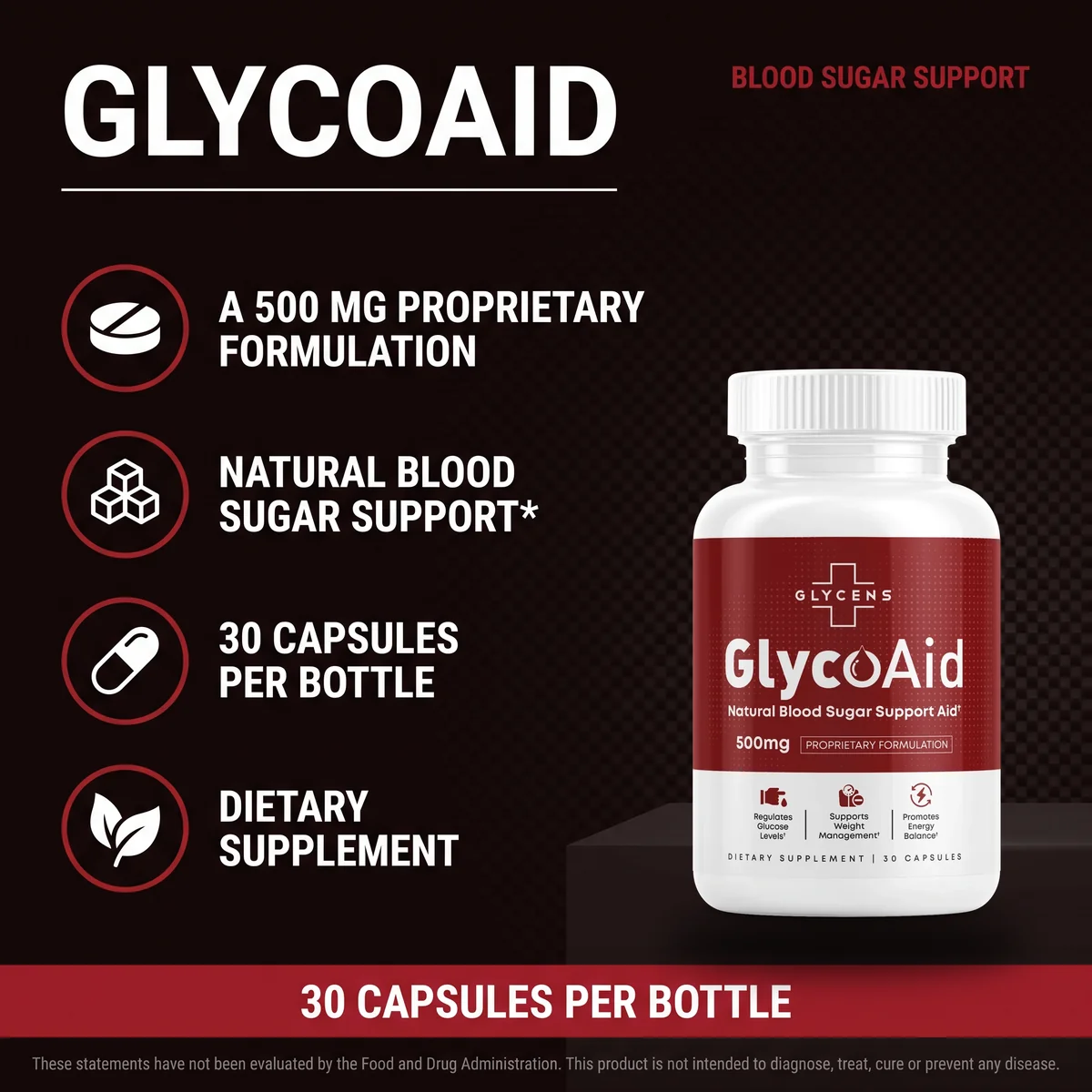
GlycoAid uses both. It pairs cinnamon and gymnema with berberine, banaba leaf and bitter melon in a 500 mg botanical blend, plus chromium, in one once-daily capsule — so you do not have to choose the spice or the herb.
See the exact dose in GlycoAid — try it risk-free for 60 days →
GlycoAid is a dietary supplement, not a treatment for any medical condition. These statements have not been evaluated by the Food and Drug Administration. This product is not intended to diagnose, treat, cure or prevent any disease. Always consult a qualified healthcare professional about your individual needs.
References & further reading
- National Center for Complementary and Integrative Health (NCCIH). Cinnamon. nccih.nih.gov/health/cinnamon
- National Center for Complementary and Integrative Health (NCCIH). Diabetes and Dietary Supplements. nccih.nih.gov/health/diabetes-and-dietary-supplements
- Examine.com. Gymnema sylvestre — evidence-based summary. examine.com/supplements/gymnema-sylvestre
- Examine.com. Cinnamon — evidence-based summary. examine.com/supplements/cinnamon
- Zamani et al. The effects of Gymnema Sylvestre supplementation on lipid profile, glycemic control, blood pressure, and anthropometric indices in adults: A systematic review and meta-analysis. Phytotherapy Research, 2023. pubmed.ncbi.nlm.nih.gov/36580574
- National Institutes of Health, Office of Dietary Supplements. Chromium — Fact Sheet for Health Professionals. ods.od.nih.gov/factsheets/Chromium-HealthProfessional
These references describe the ingredients in general terms and do not constitute evidence that any product treats, cures or prevents any condition.
Keep reading: gymnema sylvestre for blood sugar · berberine and cinnamon · the GlycoAid blog.