Gymnema sylvestre for blood sugar: the ‘sugar destroyer’ inside GlycoAid

Updated September 2026 · reviewed by the GlycoAid Research Team. We are an independent information resource, not a medical provider, and this article is educational rather than medical advice.
Gymnema sylvestre is a woody climbing herb from the tropics of India whose leaves have been chewed for centuries to blunt the taste of sweetness — earning it the Ayurvedic name gurmar, literally “sugar destroyer.” Inside GlycoAid it is one of five botanicals in a 500 mg blend, valued most for the way it may quiet a sweet tooth. Here is what the herb actually does, where the evidence is genuinely strong and where it is only traditional, and how it fits a blood-sugar-friendly routine.
What gymnema sylvestre is, and its role in GlycoAid, in one place.
- What it is
- Gymnema sylvestre (gurmar, the “sugar destroyer”) is an Ayurvedic herb whose leaf compounds temporarily dull the tongue’s sweet taste.
- The cravings angle
- Because sugary foods briefly taste flat after contact, many people use gymnema to make dessert less tempting and support mindful eating.
- Evidence honesty
- The taste effect is well documented; broader blood-sugar benefits rest on tradition and small studies, not large trials.
- In GlycoAid
- Gymnema sits inside a 500 mg botanical blend with cinnamon, berberine, banaba and bitter melon, plus chromium — a support, not a treatment.
Few herbs have a nickname as vivid as gymnema’s. This deep-dive separates the memorable from the meaningful: what it genuinely does, what people hope it does, and how GlycoAid uses it responsibly.
What is gymnema sylvestre?
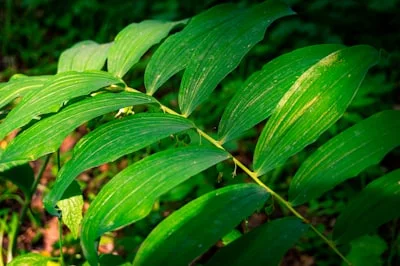
Gymnema sylvestre is a woody, climbing shrub native to the tropical forests of India, Africa and Australia, and one of the most storied botanicals in traditional medicine. Its leaves are the part that matters: they contain a family of compounds called gymnemic acids that give the plant both its odd party trick and its long reputation. In classical Ayurveda it has been used for more than two millennia, and it is still one of the herbs most reached for in everyday blood-sugar-wellness formulas.
The name you will see everywhere is gurmar, a Hindi word that translates almost too neatly as “sugar destroyer.” It is centuries old, and it points straight to the effect everyone who has chewed a gymnema leaf remembers.
Why is gymnema called the “sugar destroyer”?
Gymnema is called the “sugar destroyer” because the gymnemic acids in its leaves fit onto the very taste receptors that detect sweetness, temporarily blocking them. Put a little on your tongue and then eat something sweet, and the sugar tastes strangely flat — sweetness switched off for a few minutes. This is the effect behind the gymnema sugar destroyer label, and unlike many herbal claims it is easy to demonstrate and well described in the literature.
What is the gurmar herb effect, exactly?
The gurmar herb effect is a taste phenomenon, not a metabolic one. Gymnemic acids are shaped enough like sugar molecules to occupy the sweet-taste receptors without triggering them, so for roughly 15 to 30 minutes anything sweet registers as bland. To be precise: dulling how sweet a doughnut tastes is not the same as changing how your body processes the sugar in it. The taste effect is real, immediate and short-lived — that is both its value and its limit.
How does gymnema help with sugar cravings?
Gymnema helps with cravings by making sweet foods less rewarding to eat: if the first bite of cake tastes muted, the pull to finish it — or reach for a second — often softens. This is the gymnema cravings angle that makes the herb so popular, and it is a behavioural bridge rather than a biochemical one, nudging you toward less sugar by choice rather than forcing anything on your metabolism. For the underlying research, see Khan et al., Frontiers in Pharmacology 2019 — a comprehensive review of the phytochemistry and clinical potential of Gymnema sylvestre.
For many people the honest appeal is psychological, and that is fine. Cravings are one of the hardest parts of eating for steadier blood sugar, and a tool that makes the third biscuit less tempting can be the difference between a habit that sticks and one that slips. Gymnema does not remove your willpower — it just tilts the scales slightly in your favour.
Does the cravings effect actually last?
The direct taste-blocking effect lasts only as long as the gymnemic acids sit on your tongue — minutes, not hours — so gymnema is not a shield you carry all day. In a capsule like GlycoAid, which you swallow rather than chew, the goal is consistent daily intake as part of a broader routine, not an on-the-spot taste trick. The classic tongue effect comes from teas or leaf preparations held in the mouth; the capsule is about steady, everyday support.
What does the research say about gymnema and blood sugar?
The research on gymnema is a mix of strong evidence for the taste effect and much weaker, preliminary evidence for anything beyond it. Being straight about that gap matters. The table below sorts the common claims by how well they are supported. The evidence base for this point is set out in Zamani et al., Phytotherapy Research 2023, a systematic review and meta-analysis of Gymnema sylvestre supplementation.
| Claim about gymnema | Strength of evidence | Honest read |
|---|---|---|
| Temporarily blocks sweet taste | Well documented | The gymnemic-acid taste effect is easy to reproduce and well described. |
| May reduce appetite for sweets | Plausible, limited | Follows logically from the taste effect; supported mostly by small studies and tradition. |
| Long tradition in blood-sugar wellness | Historical | Two-thousand-plus years of Ayurvedic use; tradition is not the same as proof. |
| Directly lowers blood sugar in people | Preliminary only | Human trials are small and mixed; not grounds for any medical claim. |
| Replaces diet, activity or medication | No evidence | Gymnema is a supplement to healthy habits, never a substitute or a treatment. |
The takeaway is simple: gymnema has one crisply proven effect (taste) and a reasonable, if unproven, extension of it (fewer sweet cravings). Everything past that is “interesting, not established.” That is why GlycoAid frames it as everyday support and makes no disease claims — a stance we hold across the whole formula, as our guide to berberine and cinnamon for blood sugar explains.
See the exact blend in GlycoAid →
How much gymnema is in GlycoAid?
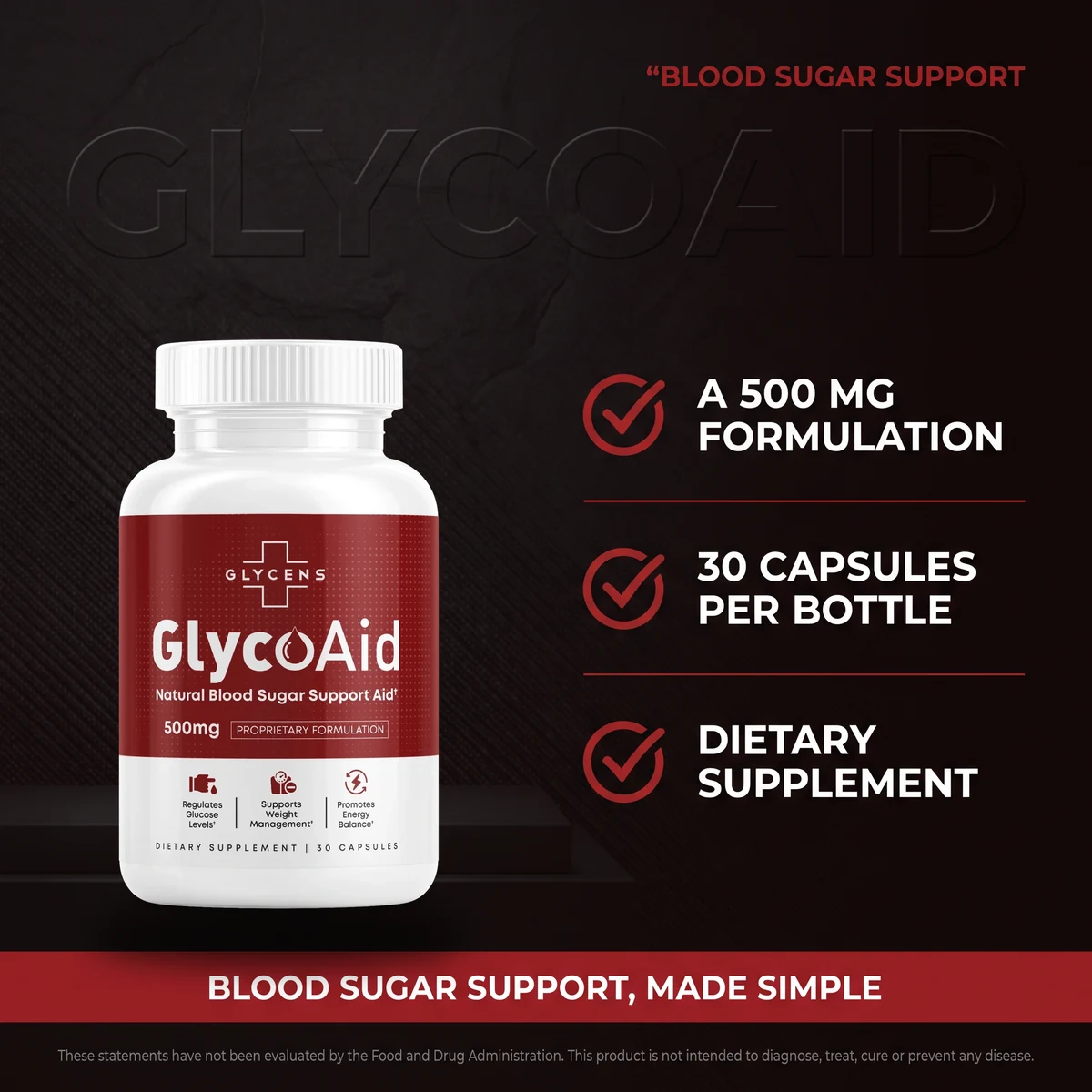
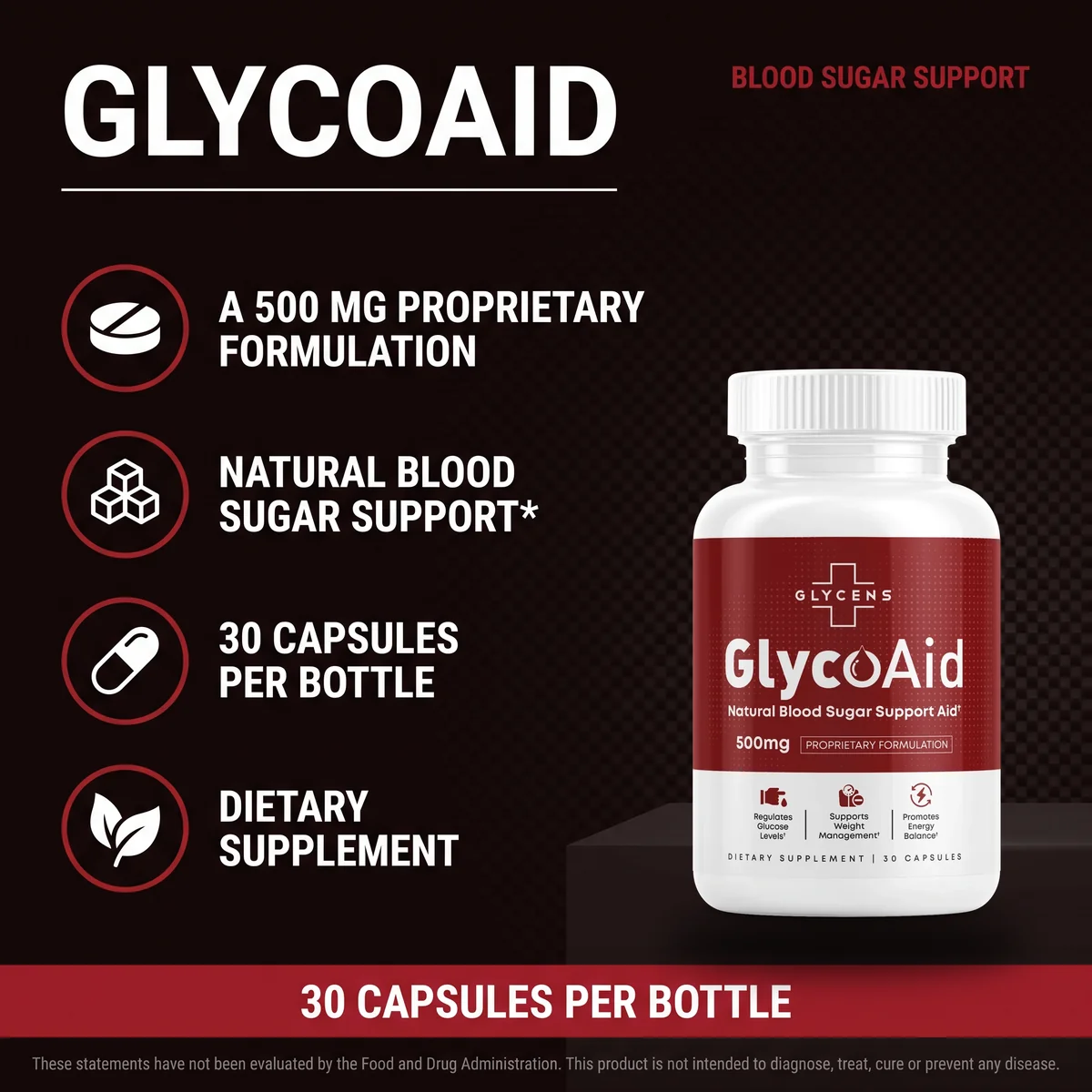
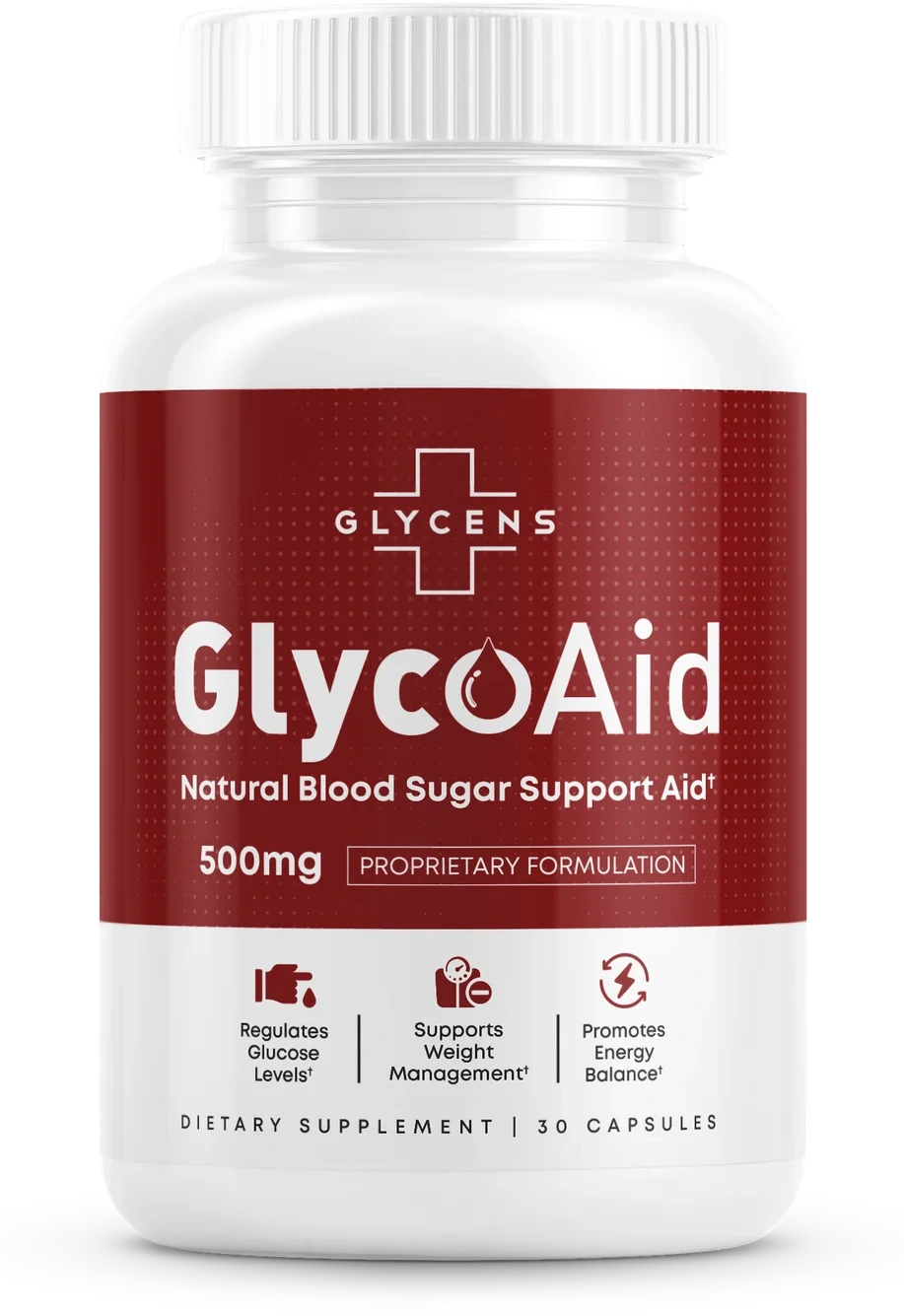
Gymnema sylvestre is one of five botanicals inside GlycoAid’s 500 mg proprietary blend, alongside cinnamon, berberine, banaba leaf and bitter melon, with the trace mineral chromium rounding out the formula. Because the botanicals are combined as a proprietary blend, the exact milligrams of gymnema on its own are not printed separately — the full supplement-facts panel lives on the product page.
| In the blend | Type | Traditional / general role |
|---|---|---|
| Gymnema sylvestre | Ayurvedic botanical | Gurmar, the “sugar destroyer”; valued for its effect on sweet taste and cravings. |
| Cinnamon | Culinary botanical | One of the oldest spices; a mainstay of everyday blood-sugar-wellness formulas. |
| Berberine | Plant alkaloid | A compound from barberry and related plants, widely studied for metabolic wellness. |
| Banaba leaf | Corosolic-acid source | A tropical leaf traditionally brewed in South-East Asia. |
| Bitter melon | Traditional food | A long-standing part of the folk blood-sugar-wellness tradition across Asia and Africa. |
| Chromium | Trace mineral | Contributes to normal macronutrient metabolism — the everyday processing of carbohydrates, fats and proteins. |
The logic of a blend is that no single herb has to do everything. Gymnema brings the cravings angle, chromium is the one nutrient with an authorised metabolism role, and the other botanicals add their own traditional profiles — all in one daily capsule. You can see how they fit in the full ingredients section.
Put gymnema to work daily
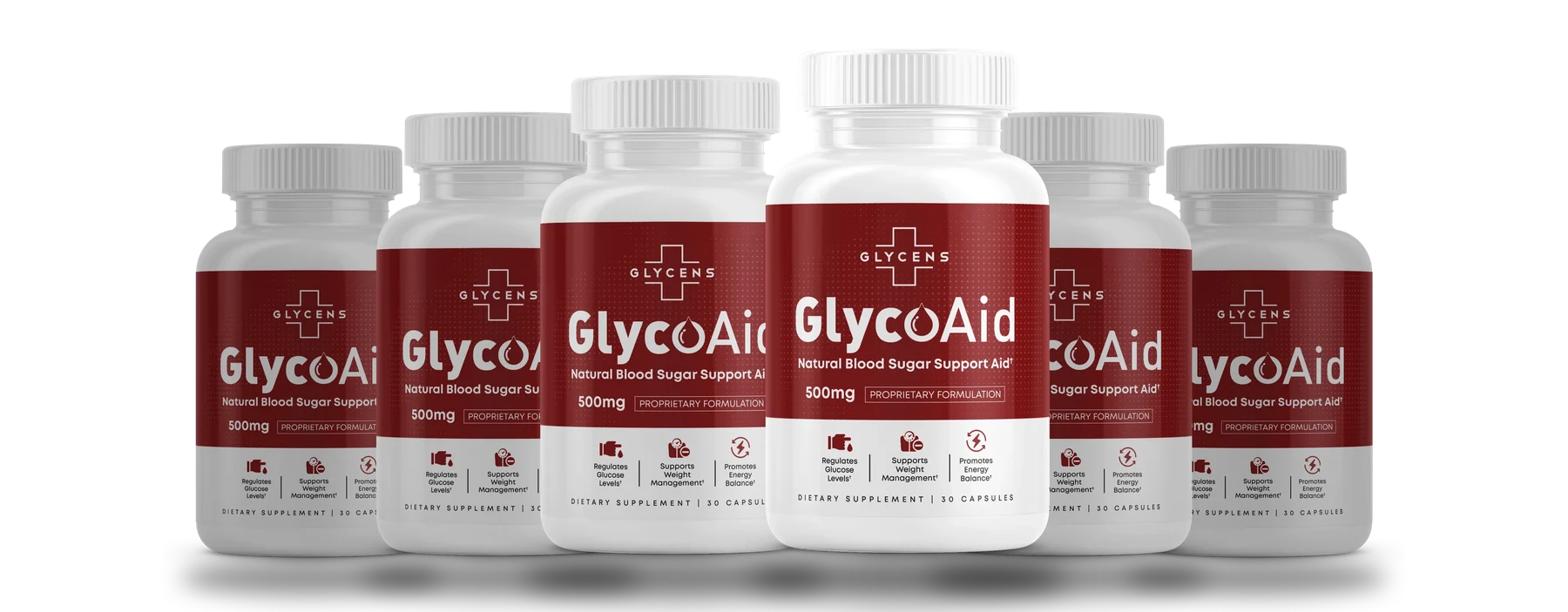
GlycoAid pairs gymnema with cinnamon, berberine, banaba, bitter melon and chromium in one once-daily capsule. The six-bottle bundle is the best value at $49 per bottle, with free U.S. shipping and a 60-day guarantee.
Check today’s GlycoAid pricing — from $49/bottleIs gymnema sylvestre safe, and who should avoid it?
Gymnema has a long record of traditional use and is generally well tolerated at supplement amounts. The one caution that matters most is straightforward: if you take glucose-lowering medication, adding a herb that may push the same way could send readings too low, so a quick word with your doctor comes first. It is also not recommended during pregnancy or nursing. Take it as directed, keep it consistent, and stop and seek advice if you notice any unusual reaction. This is documented in NIH NCCIH — Diabetes and Dietary Supplements, the federal summary of what supplements have and have not been shown to do here.
How should you use gymnema in a daily routine?
The most effective way to use gymnema is as one steady piece of a broader routine, not a stand-alone fix. In practice that means taking GlycoAid’s single capsule at the same time each day — ideally with a meal — while the heavy lifting still comes from food, movement and sleep. For the habits that matter most, see our guide on how to support healthy blood sugar naturally.
When should you talk to a doctor?
Gymnema and formulas that contain it are for supporting blood sugar already within a normal range; they are not a replacement for medical care. Speak with your doctor before starting if you are pregnant or nursing, under 18, take any medication — especially glucose-lowering medicine — have a diagnosed condition, or notice persistent symptoms such as excessive thirst, frequent urination or unexplained weight change. A short conversation makes sure anything you add fits safely with your care.
Frequently asked questions
What is gymnema sylvestre?
Gymnema sylvestre is a woody climbing shrub native to the tropical forests of India, Africa and Australia. In Ayurveda its Hindi name is gurmar, meaning “sugar destroyer,” because chewing the leaf temporarily dulls the tongue’s ability to taste sweetness. It is one of the most traditional botanicals used to support everyday blood-sugar wellness.
Why is gymnema called the sugar destroyer?
Gymnema is called the “sugar destroyer” because compounds in its leaves called gymnemic acids fit the same tongue receptors that detect sweetness. For a while after contact, sweet foods taste flat and less appealing, which is where the folk name gurmar comes from. The effect on taste is real and temporary; it is not the same as a medical effect on blood sugar.
Does gymnema help with sugar cravings?
By briefly muting how sweet things taste, gymnema may make sugary foods feel less rewarding, which some people find helps them reach for dessert less often. This cravings angle is the reason gymnema is so popular, though the evidence is mostly traditional and small studies rather than large trials. It supports mindful eating rather than replacing it.
How much gymnema is in GlycoAid?
Gymnema sylvestre is one botanical within GlycoAid’s 500 mg proprietary blend, alongside cinnamon, berberine, banaba leaf and bitter melon, plus chromium. Because it is a proprietary blend, the exact milligrams of gymnema alone are not listed separately; the full supplement-facts panel is on the product page.
Is gymnema sylvestre safe?
Gymnema has a long history of traditional use and is generally well tolerated in supplement amounts. Because it may influence blood sugar, anyone taking glucose-lowering medication should speak to a doctor first to avoid readings dropping too low, and it is not recommended during pregnancy or nursing. Stop and seek advice if you notice any unusual reaction.
How long does gymnema take to work?
The taste effect on sweetness is immediate but lasts only minutes. Any broader support for a blood-sugar-friendly routine builds gradually over weeks of consistent daily use alongside good diet and activity, and individual results vary. Gymnema is a support to healthy habits, not a quick fix or a treatment.
See the exact dose of gymnema in GlycoAid →
GlycoAid is a dietary supplement, not a treatment for any medical condition. These statements have not been evaluated by the Food and Drug Administration. This product is not intended to diagnose, treat, cure or prevent any disease. Always consult a qualified healthcare professional about your individual needs.
References & further reading
- National Center for Complementary and Integrative Health (NCCIH). Diabetes and Dietary Supplements. nccih.nih.gov/health/diabetes-and-dietary-supplements
- Zamani et al. The effects of Gymnema Sylvestre supplementation on lipid profile, glycemic control, blood pressure, and anthropometric indices in adults: A systematic review and meta-analysis. Phytotherapy Research, 2023. pubmed.ncbi.nlm.nih.gov/36580574
- National Institutes of Health, Office of Dietary Supplements. Chromium — Fact Sheet for Health Professionals. ods.od.nih.gov/factsheets/Chromium-HealthProfessional
- Examine.com. Gymnema sylvestre — evidence-based summary. examine.com/supplements/gymnema-sylvestre
- National Institute of Diabetes and Digestive and Kidney Diseases, LiverTox (NCBI Bookshelf). Gymnema. ncbi.nlm.nih.gov/books/NBK610217
These references describe the ingredient in general terms and do not constitute evidence that any product treats, cures or prevents any condition.
Keep reading: how berberine and cinnamon work · the best foods to balance blood sugar · the full GlycoAid review · back to the GlycoAid blog.