Does cinnamon lower blood sugar? A GlycoAid myth-check

Updated September 2026 · reviewed by the GlycoAid Research Team. We are an independent information resource, not a medical provider; this article is educational, not medical advice.
Does cinnamon lower blood sugar? The honest answer is a qualified “a little, sometimes.” Some controlled studies show cinnamon can modestly nudge fasting glucose and after-meal spikes downward, while others find no meaningful effect — so the image of cinnamon as a natural blood-sugar cure is more hype than fact. It is a gentle everyday support, best used beside diet and movement rather than as a medicine, and that is how GlycoAid treats it.
Does cinnamon lower blood sugar — the honest, one-box version.
- The claim
- Cinnamon is often sold as a natural way to “lower blood sugar.” The reality is smaller and messier than the headlines.
- What the evidence shows
- Some trials report a modest drop in fasting glucose or spikes; many others show no significant change. The results are genuinely mixed.
- The catch on dose
- Studies that saw an effect used concentrated amounts — roughly 1 to 6 grams a day — not a pinch on toast.
- The verdict
- A half-truth, not a miracle: a small, inconsistent support, never a treatment, best used within a wider routine like the blend in GlycoAid.
This article separates the cinnamon blood sugar myth from the genuine, if modest, science.
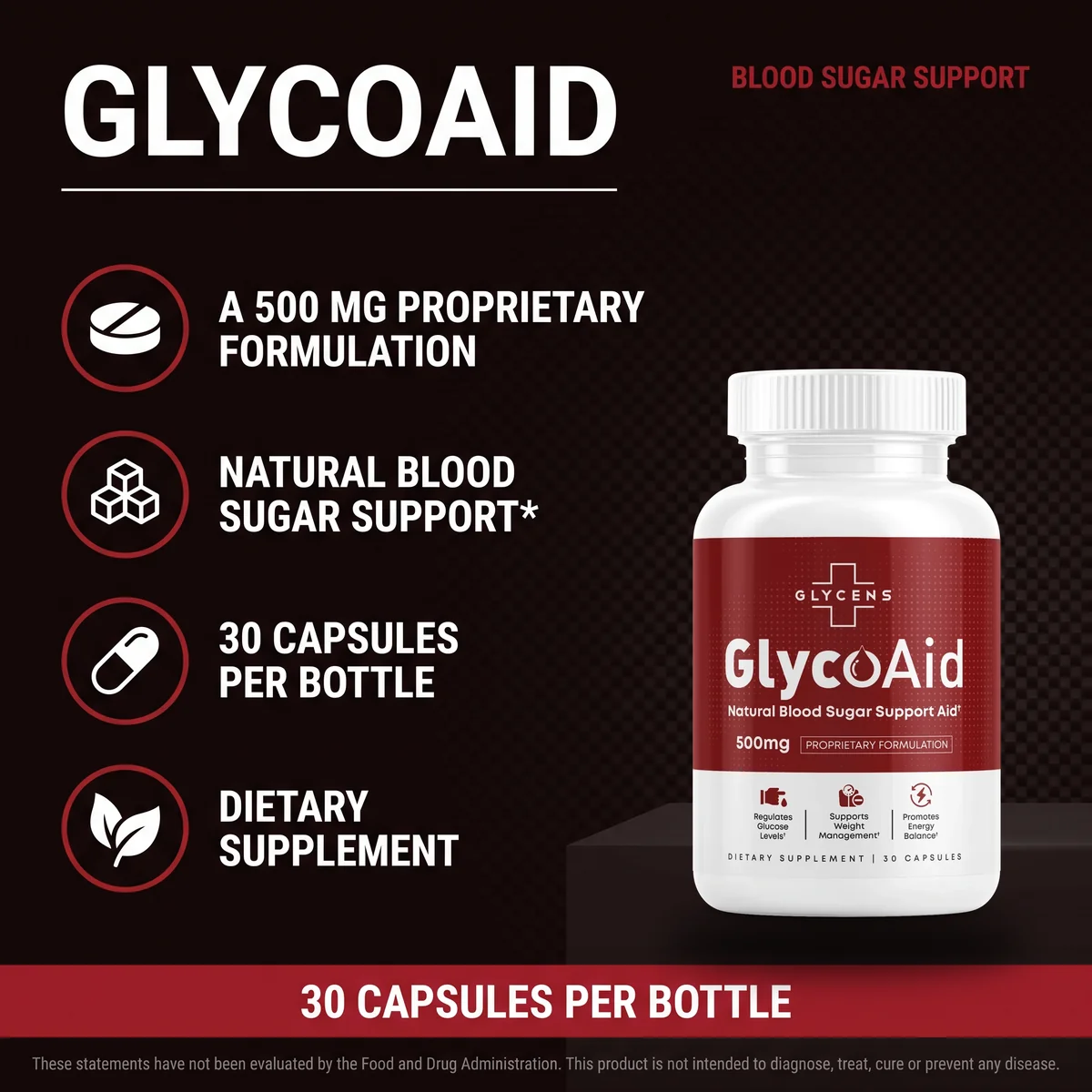
What does the science actually say about cinnamon and blood sugar?
The scientific position is that cinnamon has a small, inconsistent effect on blood glucose that does not amount to a treatment. Some trials and meta-analyses find concentrated cinnamon lowers fasting glucose by a modest margin, mainly in people whose numbers started high — yet just as many report no significant change. There is a signal, but it is faint and it flickers. For the underlying research, see Allen et al., Annals of Family Medicine 2013 — an updated systematic review and meta-analysis of cinnamon use in type 2 diabetes.
That is why national health bodies stop short of endorsing cinnamon as a therapy. The U.S. National Center for Complementary and Integrative Health puts it bluntly: studies of cinnamon for blood sugar have produced mixed results and do not support it as a treatment — a reason to size your expectations, not to dismiss the spice.
Where did the “cinnamon lowers blood sugar” claim come from?
The cinnamon-lowers-sugar story grew from early lab and small human studies whose results were amplified beyond what the data could carry. In test tubes, compounds in cinnamon appeared to improve how cells respond to insulin and to slow stomach emptying, both of which could soften a spike. Those mechanisms are plausible — but a mechanism in a dish is not a result in a person.
What did the early studies find?
A frequently cited 2003 trial reported lower fasting glucose in people taking cinnamon daily, and the “cinnamon cure” narrative was born. What the headlines skipped is that later attempts to reproduce it were inconsistent, and pooled analyses found the average benefit small and dependent on which studies were counted.
Why are the results so mixed?
Three things muddy the water: dose, cinnamon type, and the people studied. Trials used under a gram to six grams a day, some Cassia and some Ceylon, and the effect looks larger in people with higher starting glucose. No surprise the results scatter — the real root of the cinnamon blood sugar myth: a genuine but fragile finding retold as a certainty.
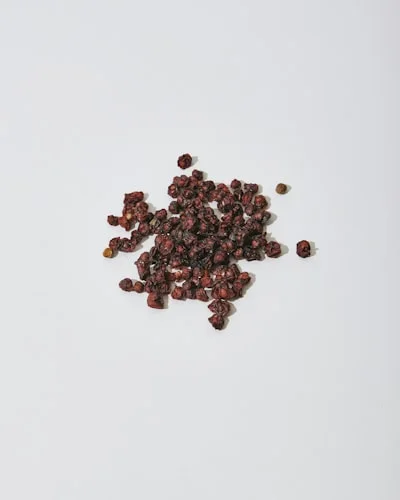
Ceylon vs Cassia: does the type of cinnamon matter?
Yes — the type of cinnamon matters for both effect and safety. The common, inexpensive cinnamon in supermarkets and most studies is Cassia; the milder “true cinnamon” is Ceylon. They are not interchangeable, mainly because of a compound called coumarin.
| Feature | Cassia cinnamon | Ceylon cinnamon |
|---|---|---|
| Common name | Supermarket / baker’s cinnamon | “True” cinnamon |
| Used in most studies | Yes — most blood-sugar trials | Less often |
| Coumarin content | Higher — a liver concern at high daily doses | Very low |
| Flavour | Strong, spicy | Delicate, sweet |
| Best for regular high-dose use | Use with caution | Generally preferred |
The practical takeaway: sprinkling either type on food is fine. For a daily concentrated dose over months, Ceylon or a standardised extract lowers the coumarin worry — which is why a quality supplement specifies its source.
What are the real, supported cinnamon benefits?
Cinnamon’s best-supported benefits are broader than blood sugar and gentler than the marketing suggests. Setting the hype aside, these are the cinnamon benefits worth keeping:
- Antioxidant content — cinnamon is rich in polyphenols that help counter everyday oxidative stress.
- A flavour that replaces sugar — its sweetness lets you enjoy coffee, oatmeal or yoghurt with less added sugar — an indirect but reliable help.
- A possible small nudge on after-meal glucose — modest and inconsistent, but present in some people at concentrated doses.
- A long tradition — centuries of use in wellness cooking, which is why it appears in so many blends.
How much cinnamon would you actually need?
To match study doses you would need far more cinnamon than any recipe calls for — the quiet catch behind the claim, since a pinch on your latte is a flavour, not a dose. The table compares everyday amounts with study amounts. The evidence base for this point is set out in Leach et al., Cochrane Database of Systematic Reviews 2012, a Cochrane systematic review of cinnamon for diabetes mellitus.
| Source | Typical cinnamon amount | Realistic for daily use? |
|---|---|---|
| Pinch on coffee or oatmeal | Under 0.5 g | Yes — but likely too little to move glucose |
| Heaped teaspoon in a recipe | About 2–3 g | Occasionally — hard to keep up daily |
| Study doses that showed an effect | Roughly 1–6 g | Difficult and, with Cassia, a coumarin concern |
| Standardised supplement extract | A measured, consistent amount | Yes — one reason blends exist |
This dosing gap is the core of the cinnamon supplement truth: eating enough plain Cassia to hit study levels daily is impractical and potentially unwise. A standardised extract is how formulators deliver a consistent amount without spoonfuls of spice.
See the exact dose in GlycoAid →
The cinnamon supplement truth: what to watch for
The truth about cinnamon supplements is that quality and honesty vary wildly, so the label matters more than the word “cinnamon” on the front. A few checks separate a thoughtful product from hype:
- It names the type and amount — Ceylon, Cassia or a standardised extract with a clear dose, not a vague “proprietary” hand-wave.
- It does not promise to “lower” or “cure” — honest labels talk about supporting healthy glucose already in a normal range.
- It pairs cinnamon sensibly — since cinnamon alone is modest, blending it with other studied nutrients is reasonable.
- It carries the standard disclosures — stating it is not a treatment for any disease.
For a side-by-side, our guide comparing cinnamon vs gymnema for blood sugar is a useful next read, and how berberine and cinnamon work together explains why they are so often paired.
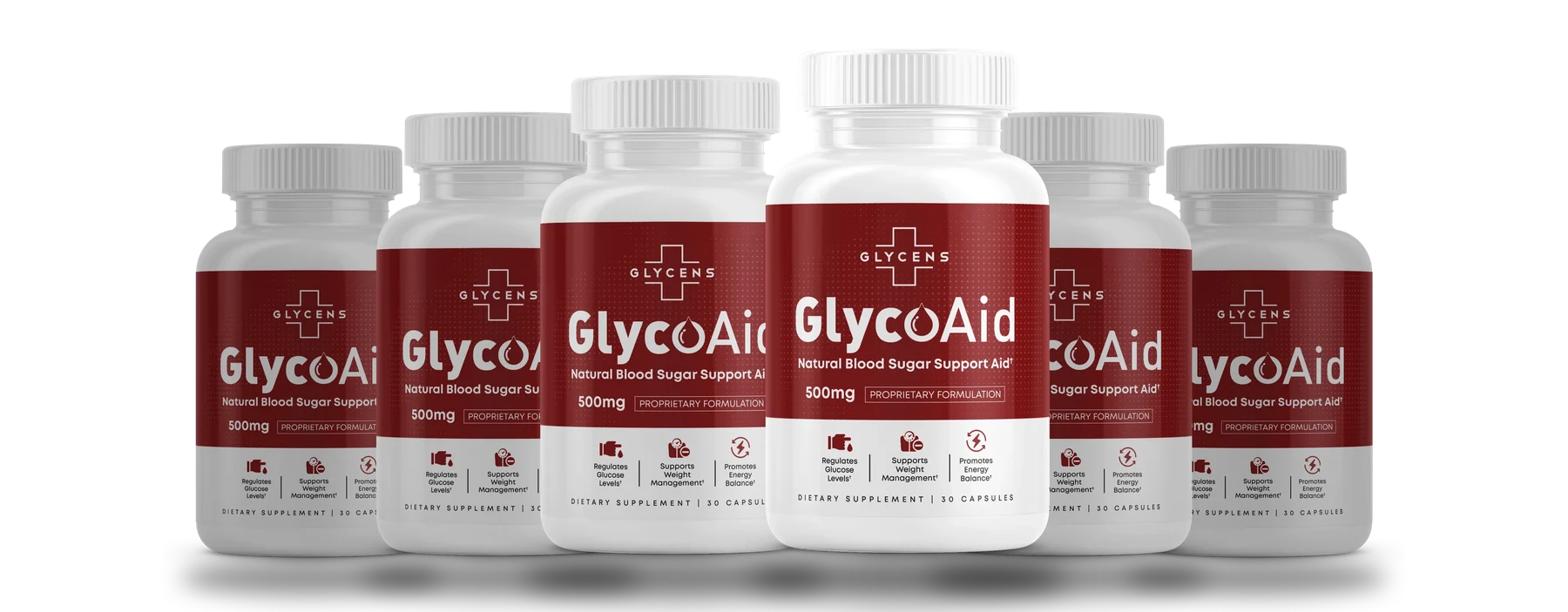
Cinnamon, used responsibly — in a blend
GlycoAid puts cinnamon where the evidence suggests it belongs: one measured part of a 500 mg botanical blend, paired with chromium, in a daily capsule. The six-bottle bundle is best value at $49 per bottle, with free U.S. shipping and a 60-day guarantee.
Check today’s GlycoAid pricing — from $49/bottleHow does GlycoAid use cinnamon responsibly?
GlycoAid uses cinnamon as a supporting player rather than a headline act, the responsible way to read the evidence. Instead of one spice at a kitchen dose, GlycoAid folds cinnamon into a 500 mg botanical blend with berberine, banaba leaf, gymnema and bitter melon, and adds the trace mineral chromium, which contributes to normal macronutrient metabolism — several gentle nutrients offering broader support than any one at a guess-work dose.
Just as important is what GlycoAid does not claim: it supports blood sugar already within a normal range, not lowering or treating anything. To see how the pieces fit, read how the GlycoAid blend works or the full ingredients breakdown.
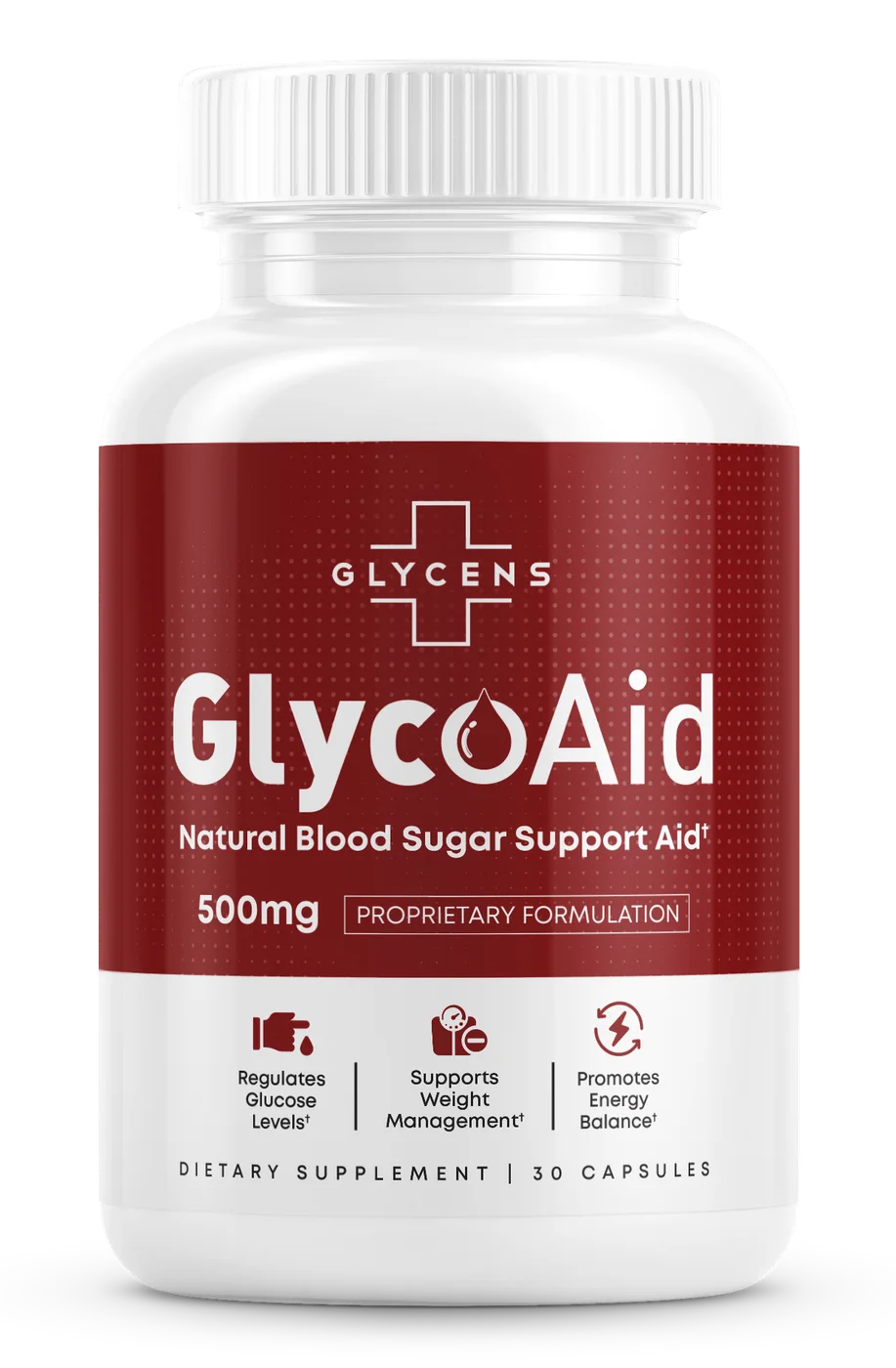
Is cinnamon safe, and when should you talk to a doctor?
Cinnamon as a food is safe for almost everyone, but concentrated daily doses carry two cautions. The main one is coumarin in Cassia cinnamon, which in large regular amounts can stress the liver — why Ceylon or an extract is preferred for ongoing use. The second is interaction: because cinnamon may nudge glucose, pairing a supplement with glucose-lowering medication could push it too low. This is documented in NIH NCCIH — Cinnamon, the federal summary of the cinnamon evidence.
Speak with your doctor before adding any cinnamon supplement if you are pregnant or nursing, under 18, take any medication — especially for blood sugar — have liver concerns, a diagnosed condition, or surgery scheduled. Cinnamon is a support, never a substitute for medical care.
Frequently asked questions
Does cinnamon really lower blood sugar?
The honest answer is: modestly, and inconsistently. Some controlled studies show cinnamon nudges fasting glucose and after-meal spikes down a little, while others find no meaningful effect. It is a gentle everyday support, not a blood-sugar medicine, and it works best alongside diet and activity rather than on its own.
How much cinnamon do you need to affect blood sugar?
Studies that reported an effect typically used concentrated doses of roughly 1 to 6 grams of cinnamon powder daily, far more than the pinch on your oatmeal. Supplement extracts standardise a smaller, consistent amount, which is why formulas like GlycoAid pair cinnamon with other nutrients rather than relying on the spice alone.
Is Ceylon or Cassia cinnamon better for blood sugar?
Most blood-sugar research used Cassia cinnamon, which is also the common supermarket type. Cassia is higher in coumarin, a compound that can stress the liver in large daily amounts, so Ceylon (true cinnamon) is often preferred for regular high-dose use. Quality formulas specify which type and dose they use.
Is the cinnamon-lowers-blood-sugar claim a myth?
It is a half-truth rather than a pure myth. Cinnamon is not a proven treatment and the headline promises are overstated, but there is a real, if small and mixed, body of evidence that it can support healthy glucose metabolism. Treat it as one modest lever among many, not a cure.
How does GlycoAid use cinnamon?
GlycoAid includes cinnamon within a 500 mg botanical blend alongside berberine, banaba, gymnema and bitter melon, plus chromium. The idea is that several gentle nutrients working together offer broader support than one spice at a random kitchen dose, in a single standardised daily capsule.
Can I stop my diabetes medication and use cinnamon instead?
No. Cinnamon and cinnamon supplements are not a replacement for prescribed medication and should never be used to self-treat a diagnosed condition. If you take glucose-lowering medicine, talk to your doctor before adding any supplement, because the combination could push blood sugar too low.
See how GlycoAid doses cinnamon — try it risk-free for 60 days →
GlycoAid is a dietary supplement, not a treatment for any medical condition. These statements have not been evaluated by the Food and Drug Administration. This product is not intended to diagnose, treat, cure or prevent any disease. Always consult a qualified healthcare professional about your individual needs.
References & further reading
- National Center for Complementary and Integrative Health (NCCIH). Cinnamon. nccih.nih.gov/health/cinnamon
- National Center for Complementary and Integrative Health (NCCIH). Diabetes and Dietary Supplements. nccih.nih.gov/health/diabetes-and-dietary-supplements
- Moridpour et al. The effect of cinnamon supplementation on glycemic control in patients with type 2 diabetes mellitus: An updated systematic review and dose-response meta-analysis of randomized controlled trials. Phytotherapy Research, 2024. pubmed.ncbi.nlm.nih.gov/37818728
- Examine.com. Cinnamon — evidence-based summary. examine.com/supplements/cinnamon
- Mayo Clinic. Diabetes and dietary supplements — what to know. mayoclinic.org — diabetes and supplements
These references describe cinnamon and blood-sugar habits in general terms and do not constitute evidence that any product treats, cures or prevents any condition.
Keep reading: cinnamon vs gymnema · berberine and cinnamon · the full GlycoAid review · the GlycoAid blog.