Banaba leaf for blood sugar: the corosolic acid inside GlycoAid

Updated September 2026 · reviewed by the GlycoAid Research Team. We are an independent information resource, not a medical provider, and this article is educational rather than medical advice.
Banaba leaf for blood sugar is one of the quiet workhorses of the metabolic-wellness world: a tropical leaf, brewed as tea for centuries across Southeast Asia, now standardised for its corosolic acid and folded into modern formulas such as GlycoAid. This guide explains what banaba is, what corosolic acid does, where the evidence is genuinely strong and where it is still thin, and how the leaf fits GlycoAid’s 500 mg blend — so you can weigh the science for yourself.
Banaba leaf, corosolic acid and GlycoAid, in brief.
- Banaba leaf
- The leaf of Lagerstroemia speciosa, a Southeast Asian tree with a long history as a traditional tea.
- Corosolic acid
- The signature triterpenoid in banaba; extracts are usually standardised to 1–2% of it.
- Why it is used
- It is discussed for supporting the body’s normal handling of dietary sugar — support, not a treatment.
- Evidence
- Early human and lab studies are encouraging but small; banaba is not proven to treat any disease.
- In GlycoAid
- Banaba sits in the 500 mg blend beside chromium, berberine, cinnamon, gymnema and bitter melon.
Banaba is not a medicine, and it does not treat, cure or prevent any disease. What follows is a plain-language look at why the leaf keeps appearing in blood-sugar formulas, including GlycoAid, and how to judge a product that contains it.
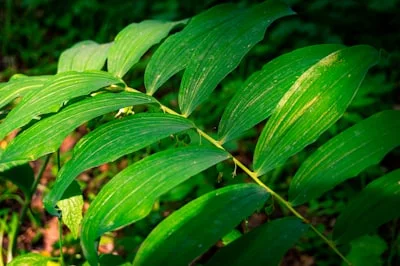
What is banaba leaf?
Banaba leaf is the foliage of Lagerstroemia speciosa, a flowering tree native to the Philippines, India and other parts of tropical Southeast Asia, where it is sometimes called the “pride of India” or the giant crepe-myrtle. For generations the leaves have been dried and brewed as a folk tea, particularly in the Philippines, where banaba (locally banabá) tea has long been part of everyday wellness routines.
That traditional use is the reason banaba first drew scientific attention, and it is why the leaf now appears — usually as a standardised extract — in a large share of modern blood-sugar-support blends. It is worth being precise: banaba is a botanical food ingredient, and its long history of use describes tradition rather than any promise of a medical outcome.
Where does banaba come from?
The commercial supply is grown mainly in Southeast Asia, where the tree thrives in warm, humid climates. Manufacturers harvest and dry the leaves, then concentrate them into an extract measured by its corosolic-acid content — the single figure that most banaba labels are built around.
What is corosolic acid, the active compound?
Corosolic acid is a naturally occurring triterpenoid — a plant compound — that is concentrated in banaba leaf and is the constituent most extracts are standardised to. When a label reads “banaba extract standardised to 1% corosolic acid,” that percentage is telling you how much of the signature compound the extract carries. For the underlying research, see Stohs et al., Phytotherapy Research 2012 — a review of the efficacy and safety of banaba leaf and corosolic acid.
Corosolic acid is the reason banaba is studied at all in the metabolic-wellness conversation. In laboratory and early human research it is the fraction most often examined, and it is frequently discussed for the way it may interact with the pathways cells use to take up glucose. Again, this is a description of research interest and traditional use, not a claim that the compound treats a condition.
How is banaba leaf thought to work for blood sugar?
Banaba leaf and its corosolic acid are discussed as supports to the body’s own everyday handling of dietary sugars, rather than as levers that force a change. The plain-language thinking is that corosolic acid may help cells respond to and take up glucose — a bit like nudging a door that is already there rather than building a new one. Here is the picture, laid out simply.
| Term | What it is | How it is discussed |
|---|---|---|
| Banaba leaf | Leaf of Lagerstroemia speciosa | A traditional Southeast Asian tea, now a standardised extract in blood-sugar blends. |
| Corosolic acid | Triterpenoid in banaba leaf | The standardised active fraction; studied for its role in cellular glucose uptake. |
| Ellagitannins | Plant polyphenols in banaba | Secondary antioxidant compounds sometimes highlighted alongside corosolic acid. |
| Chromium (partner) | Essential trace mineral | Contributes to normal macronutrient metabolism — the mineral base of many blends. |
Because banaba brings a distinct compound to the table, it is usually combined with botanicals from other plant families — and with a mineral such as chromium — so that a single serving can cover several angles at once instead of leaning on any one ingredient.
See the exact dose in the GlycoAid blend →
What does the research on banaba actually say?
Is banaba proven to lower blood sugar?
The honest summary is that banaba and corosolic acid are promising but under-studied in humans. Most of the enthusiasm comes from laboratory and animal work, supported by a handful of small, short human trials — useful signals, but a long way from the large, long-term studies that would let anyone make a firm health claim. Setting expectations honestly matters more than overselling. The evidence base for this point is set out in Miura et al., Evidence-Based Complementary and Alternative Medicine 2012, a review of banaba and corosolic acid in diabetes management.
| Type of evidence | What exists | How strong it is |
|---|---|---|
| Traditional use | Centuries of banaba tea use in Southeast Asia | Historical, not clinical — context, not proof. |
| Laboratory studies | Cell and enzyme work on corosolic acid | Encouraging mechanistic signals; not human outcomes. |
| Animal studies | Rodent glucose-metabolism research | Supportive but does not always translate to people. |
| Human trials | A few small, short studies of banaba extract | Early and limited; larger trials are still needed. |
In short, banaba earns its place in a blend because it is well tolerated, has a long traditional record and carries a compound worth studying — not because it has been proven to change anyone’s numbers. Anyone who tells you otherwise is getting ahead of the evidence.
Banaba leaf inside the GlycoAid blend
Why is banaba in a blend rather than on its own?
In GlycoAid, banaba leaf is one part of a 500 mg proprietary blend taken as a single capsule a day, sitting alongside chromium, berberine, cinnamon, gymnema and bitter melon. The logic is a team of complementary botanicals rather than a single hero ingredient, so you are not asked to assemble a shelf of separate bottles to cover different angles.
As with the other botanicals in the formula, the individual milligram amount of banaba is not printed on the label, because it lives inside a proprietary blend — standard practice for blends of this kind. What you can see clearly is the full list of what is included and the once-daily serving. If a precise, isolated corosolic-acid dose is your priority, a single-ingredient banaba product may suit you better; if you want banaba as one voice in a wider chorus, a blend like GlycoAid is built for exactly that.
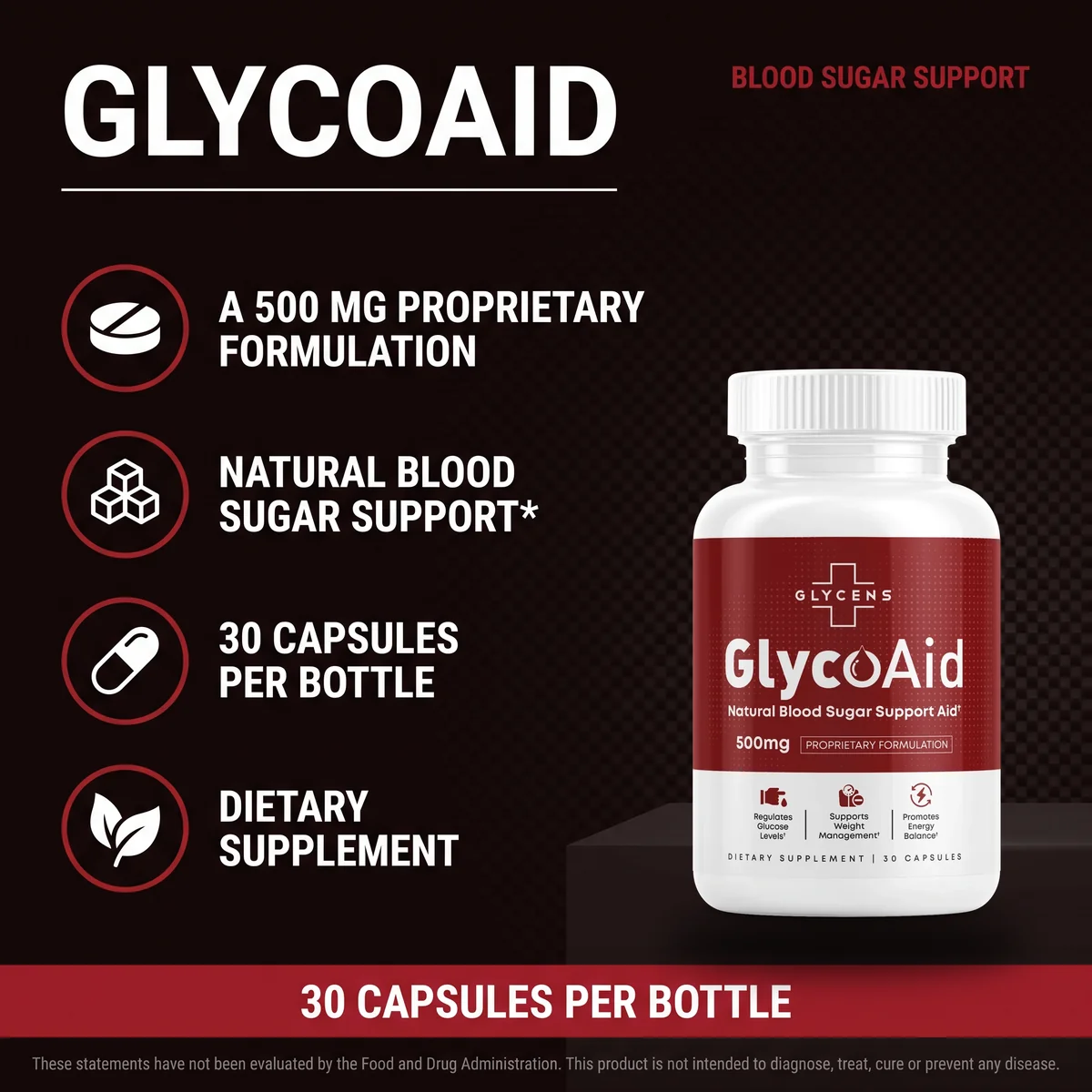
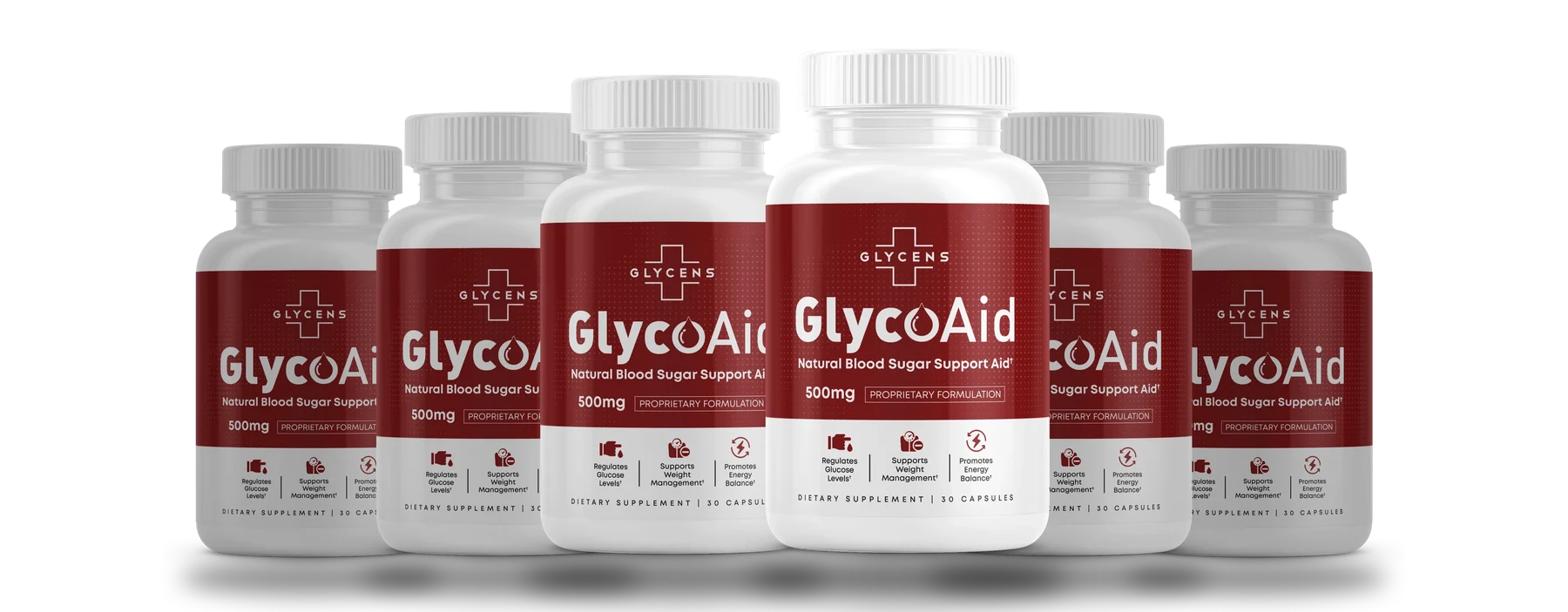
Banaba, corosolic acid and five more botanicals in one capsule
GlycoAid pairs banaba leaf with chromium and a wider 500 mg blend — no stacking separate bottles. The six-bottle bundle is the best value at $49 per bottle, with free U.S. shipping and a 60-day guarantee.
Check today’s GlycoAid pricing — from $49/bottleHow do you choose a banaba supplement?
Whether you choose GlycoAid or compare another product, the same signals separate a considered formula from a careless one:
- A named, standardised extract — look for banaba described as Lagerstroemia speciosa, ideally with a stated corosolic-acid percentage where the product is single-ingredient.
- A clearly named blend — you should be able to see every botanical and mineral listed, even when amounts sit within a proprietary blend.
- A quality facility — made in an FDA-registered, GMP-compliant facility.
- Non-GMO sourcing and a vegetarian-friendly capsule where possible.
- Honest language — support-style claims, not promises to treat or cure.
Cautions: who should be careful with banaba?
Banaba leaf is generally well tolerated as a food and supplement, and its long history as a tea is reassuring. Still, sensible caution applies. Because banaba is discussed in the context of blood sugar, anyone taking glucose-lowering medication should speak with a doctor before adding a banaba-containing supplement, to avoid stacking effects. Banaba has not been thoroughly studied during pregnancy or nursing, so it is best avoided then unless a clinician advises otherwise. As with any supplement, keep it out of the reach of children and do not exceed the recommended dose. If you take prescription medicine of any kind, a quick conversation with your pharmacist or doctor is always the safest first step. This is documented in NIH NCCIH — Diabetes and Dietary Supplements, the federal summary of what supplements have and have not been shown to do here.
Frequently asked questions
What is banaba leaf?
Banaba leaf comes from Lagerstroemia speciosa, a flowering tree native to Southeast Asia. Its leaves have been brewed as a traditional tea for generations and are now standardised into extracts for blood-sugar-support supplements, where they are valued as a source of corosolic acid.
What is corosolic acid?
Corosolic acid is a natural triterpenoid compound concentrated in banaba leaf. It is the constituent most banaba extracts are standardised to, usually to a set percentage such as one or two percent, and it is the main reason banaba appears in metabolic-wellness formulas.
How is banaba leaf thought to help blood sugar?
Banaba leaf and its corosolic acid are discussed for the way they may support the body's normal handling of dietary sugar, including glucose uptake by cells. This is described as everyday nutritional support, not a treatment, and the human evidence is still limited and early.
How much banaba leaf or corosolic acid is in GlycoAid?
Banaba leaf sits inside GlycoAid's 500 mg proprietary blend alongside chromium, berberine, cinnamon, gymnema and bitter melon. Individual amounts within a proprietary blend are not broken out on the label, which is standard for blends of this kind.
Is banaba leaf safe?
Banaba leaf is generally well tolerated as a food and supplement, but it has not been thoroughly studied in pregnancy or nursing. Because it is discussed in the context of blood sugar, anyone taking glucose-lowering medicine should speak with a doctor before using a banaba-containing supplement.
Does banaba leaf replace diet, exercise or medication?
No. Banaba leaf and corosolic acid are designed to support a balanced diet and regular activity, which remain the foundation of steady blood sugar. They are not a substitute for prescribed medication or for advice from your doctor.
See the exact dose in GlycoAid — risk-free for 60 days →
GlycoAid is a dietary supplement, not a treatment for any medical condition. These statements have not been evaluated by the Food and Drug Administration. This product is not intended to diagnose, treat, cure or prevent any disease. Always consult a qualified healthcare professional about your individual needs.
References & further reading
- Examine.com. Banaba (Lagerstroemia speciosa) — evidence-based summary. examine.com/supplements/banaba
- Stohs et al. A review of the efficacy and safety of banaba (Lagerstroemia speciosa L.) and corosolic acid. Phytotherapy Research, 2012. pubmed.ncbi.nlm.nih.gov/22095937
- Miura et al. Management of Diabetes and Its Complications with Banaba (Lagerstroemia speciosa L.) and Corosolic Acid. Evidence-Based Complementary and Alternative Medicine, 2012. pubmed.ncbi.nlm.nih.gov/23082086
- National Center for Complementary and Integrative Health (NCCIH). Diabetes and Dietary Supplements. nccih.nih.gov/health/diabetes-and-dietary-supplements
- National Institutes of Health, Office of Dietary Supplements. Chromium — Fact Sheet for Health Professionals. ods.od.nih.gov/factsheets/Chromium-HealthProfessional
- Mayo Clinic. Blood sugar testing and management. mayoclinic.org/blood-sugar
These references describe the ingredients in general terms and do not constitute evidence that any product treats, cures or prevents any condition.
Keep reading: berberine and cinnamon for blood sugar · how to support healthy blood sugar naturally · the best foods to balance blood sugar · read the full GlycoAid review.