Bitter melon for blood sugar: the GlycoAid ingredient profile

Updated September 2026 · reviewed by the GlycoAid Research Team. We are an independent information resource, not a medical provider, and this article is educational rather than medical advice.
Bitter melon (Momordica charantia) is a tropical gourd, eaten as a vegetable across Asia, Africa and the Caribbean, that has been part of folk blood-sugar traditions for centuries and today appears in GlycoAid as one botanical inside its 500 mg blend. It is a supporting player, not a headline drug: its reputation is built on long traditional use and a body of mostly small human studies, which is exactly why it belongs in a stacked formula rather than as a standalone fix.
Bitter melon for blood sugar, honestly summarised.
- What it is
- A bitter tropical gourd — also called bitter gourd, karela or goya — used as both food and folk remedy for generations.
- The evidence
- Traditional reputation is strong; modern human trials are small and mixed, so the honest verdict is “promising, not proven.”
- In GlycoAid
- One of five botanicals in a 500 mg blend, paired with cinnamon, berberine, banaba and gymnema plus chromium.
- Best role
- Everyday support for blood sugar already within a normal range — alongside diet and movement, never a treatment for disease.
If you have scanned the label of a blood-sugar supplement, you have probably seen bitter melon listed and wondered what it actually does. This ingredient profile answers that in plain language: what the plant is, why it earned its blood-sugar reputation, what the research really shows, and where it sits inside the GlycoAid formula. We will be candid about where the evidence is thin, because an ingredient does not have to be a miracle to earn a place in a sensible blend.
What is bitter melon, and why is it in GlycoAid?
Bitter melon is the fruit of Momordica charantia, a climbing vine in the gourd family whose warty, cucumber-shaped fruit is one of the most bitter foods commonly eaten. It is a staple vegetable in Indian, Chinese, Filipino, West African and Caribbean cooking, and in many of those same cultures it has been brewed, juiced or dried as a folk tonic for blood-sugar wellness. That double identity — nourishing food and traditional remedy — is why it keeps appearing in modern supplement formulas.
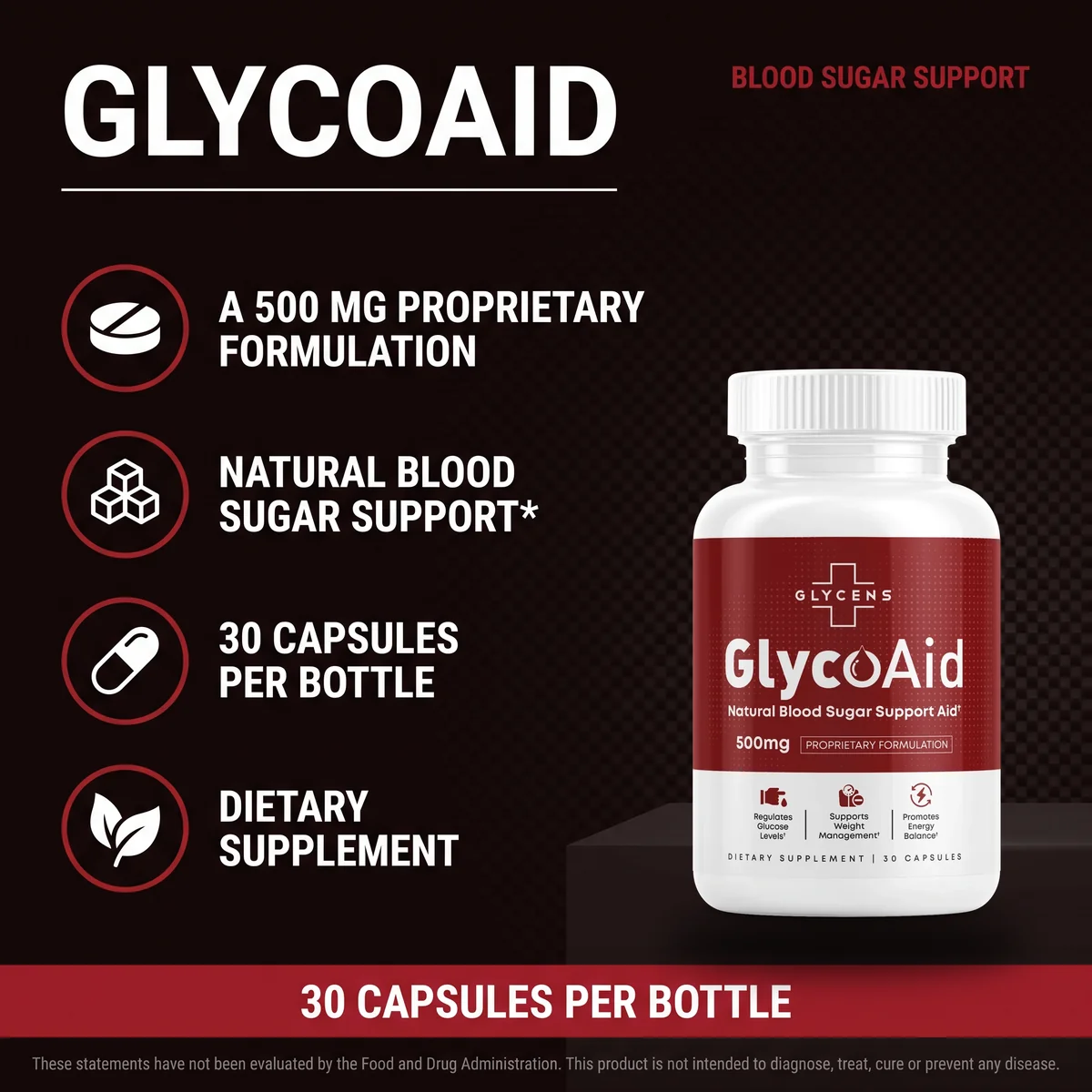
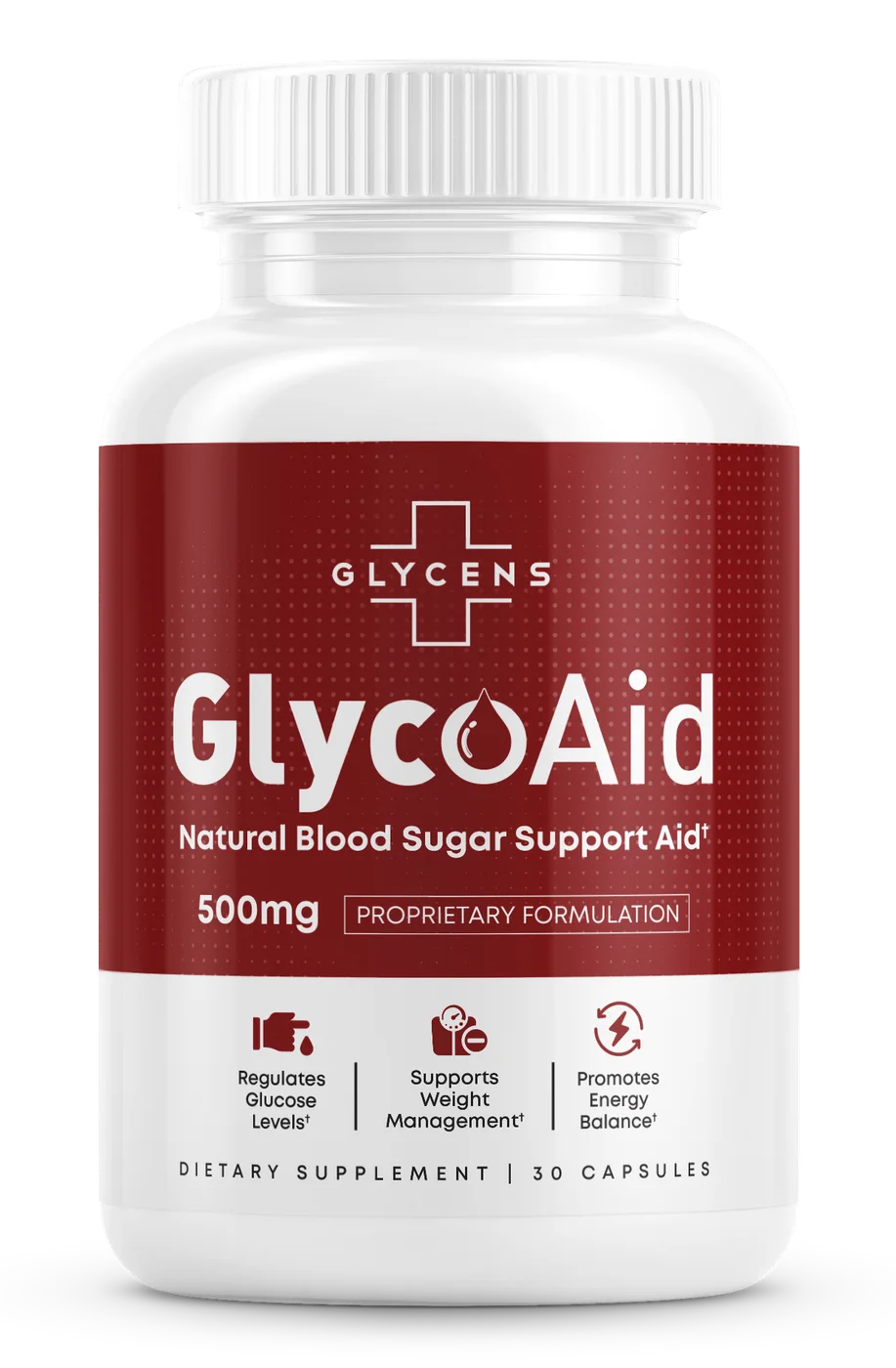
It sits in GlycoAid for the same reason it sits in kitchens: heritage plus a plausible mechanism. GlycoAid pairs chromium, an essential trace mineral, with a 500 mg botanical blend of cinnamon, berberine, banaba leaf, gymnema and bitter melon. Bitter melon contributes the deep folk-tradition layer of that stack, complementing ingredients like berberine that carry more clinical study. To see how the pieces fit, our companion guide on berberine and cinnamon for blood sugar covers the more researched half of the formula.
What are its other names?
The same plant answers to many names, which can make label-reading confusing. Bitter melon, bitter gourd, karela (Hindi), goya (Japanese, from Okinawa), ku gua (Chinese) and balsam pear all refer to Momordica charantia. So when you compare a “bitter gourd supplement” with a “bitter melon supplement,” you are comparing the same botanical under two names — a useful thing to know when reading ingredient panels.
How does bitter melon relate to blood sugar?
Bitter melon relates to blood sugar because it contains plant compounds that laboratory research has linked to the way the body handles glucose. The most discussed is a group of substances sometimes called plant insulin or polypeptide-p, along with charantin and a family of triterpenoids. In cell and animal studies, these compounds have been observed to influence glucose uptake and the enzymes involved in carbohydrate handling. That is the biological rationale behind centuries of traditional use — but a mechanism in a petri dish is a starting point, not a promise about people. For the underlying research, see Peter et al., Journal of Ethnopharmacology 2019 — a systematic review and meta-analysis of Momordica charantia in type 2 diabetes.
What does the folk tradition say?
In traditional practice, bitter melon has been consumed as a vegetable, pressed into a fresh morning juice, or dried and steeped as tea by people wanting to support steady blood sugar. Ayurvedic and traditional Chinese systems both feature it, and in parts of the world it remains a common home remedy. Tradition of this depth is meaningful: it tells us the plant is broadly tolerable and worth studying. It does not, on its own, prove a clinical effect — which is where modern trials come in.
What does modern research actually show?
Modern human research on bitter melon is genuinely mixed, and this is the part most marketing skips. Several small randomised trials and systematic reviews have looked at bitter melon extract, and the picture is inconsistent: some studies report a modest reduction in fasting glucose or HbA1c, others find no meaningful difference versus placebo, and many are limited by small sample sizes, short duration and varied preparations. Reviewers routinely conclude that the evidence is insufficient to recommend it as a treatment and that larger, better-designed trials are needed. In short, the honest headline is “promising, not proven.” That is precisely why GlycoAid uses it as one contributor in a blend rather than selling it as a solo cure.
See the exact blend in GlycoAid →
What compounds in bitter melon get studied?
The blood-sugar interest in bitter melon centres on a handful of named compounds, each with its own small research trail. Understanding them makes the label less mysterious and helps separate the plant’s chemistry from the marketing around it. The table below summarises the ones most often cited. The evidence base for this point is set out in Ooi et al., Cochrane Database of Systematic Reviews 2012, a Cochrane systematic review of bitter melon for type 2 diabetes.
| Compound | What it is | Why it is discussed for blood sugar |
|---|---|---|
| Charantin | A steroidal saponin mixture | Historically credited with the plant’s glucose-related activity in early laboratory work. |
| Polypeptide-p | An insulin-like plant protein | Sometimes called “plant insulin”; studied in animals for its structural similarity to insulin. |
| Vicine | A glycoside from the seeds | Investigated in early research; also the compound behind caution about eating large amounts of seed. |
| Triterpenoids (cucurbitanes) | Bitter-tasting plant chemicals | Examined in cell studies for effects on glucose uptake pathways. |
| Antioxidant polyphenols | General plant antioxidants | Part of the fruit’s broader nutritional profile as a vegetable. |
None of these compounds is a licensed medicine, and the amounts studied vary widely between preparations. GlycoAid uses a standardised botanical extract so the daily contribution is consistent from capsule to capsule — a practical advantage over cooking the raw gourd, whose potency swings with variety, ripeness and preparation.
See bitter melon in the full blend
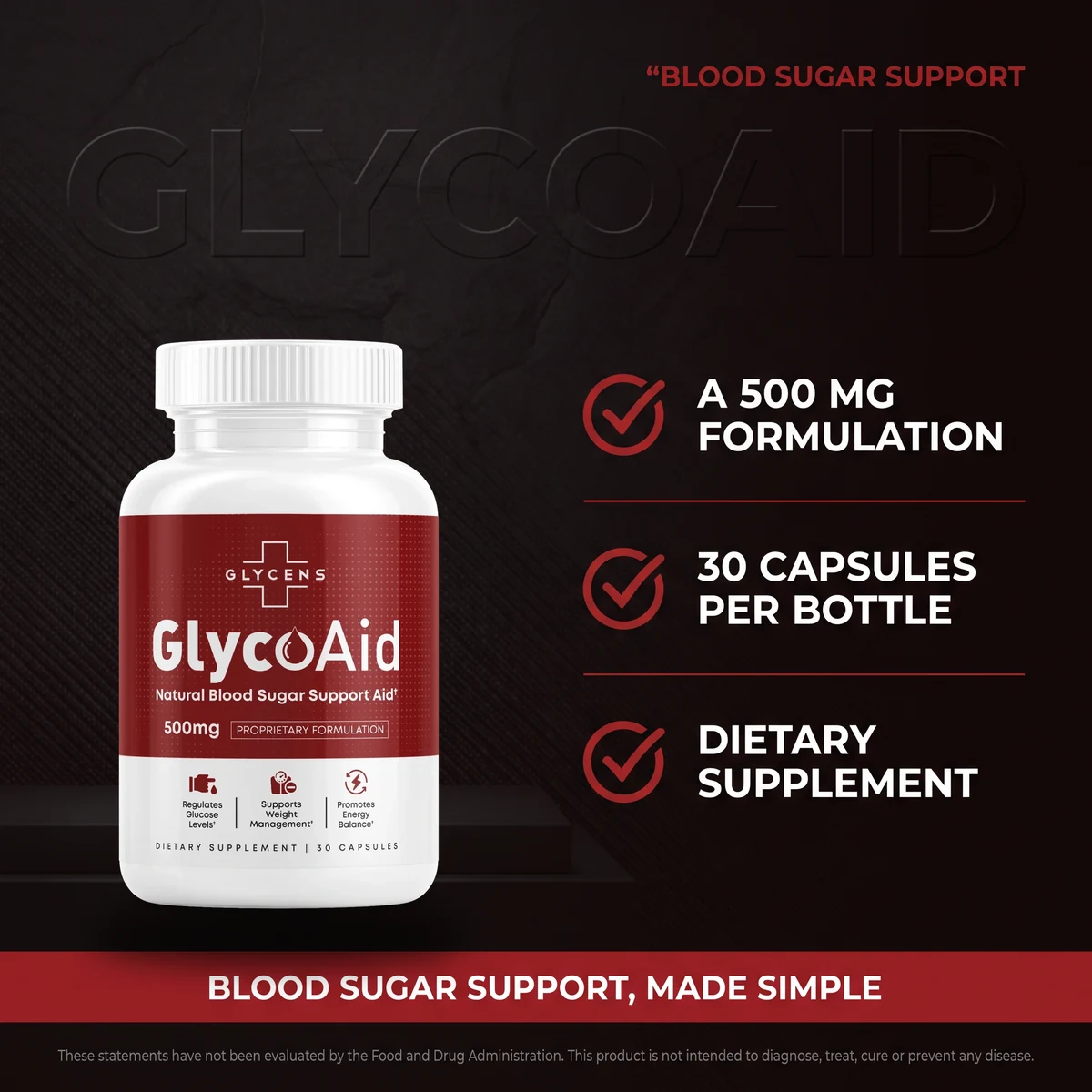
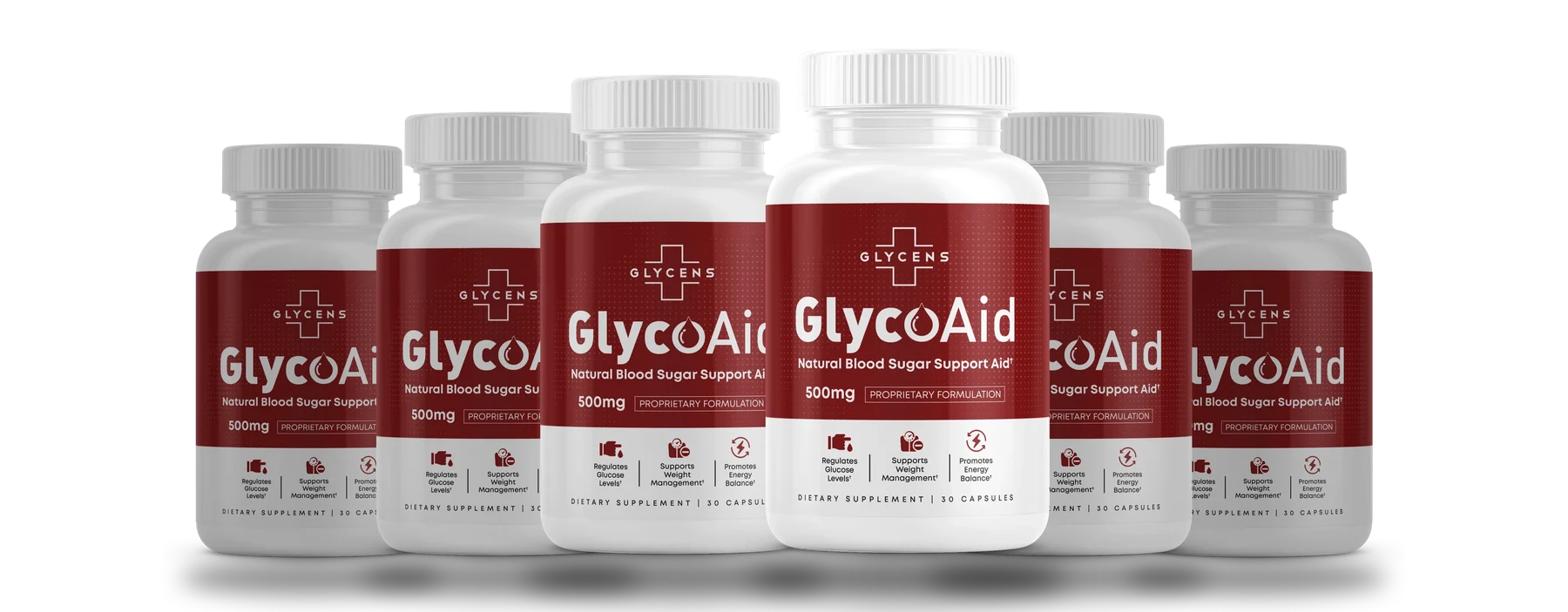
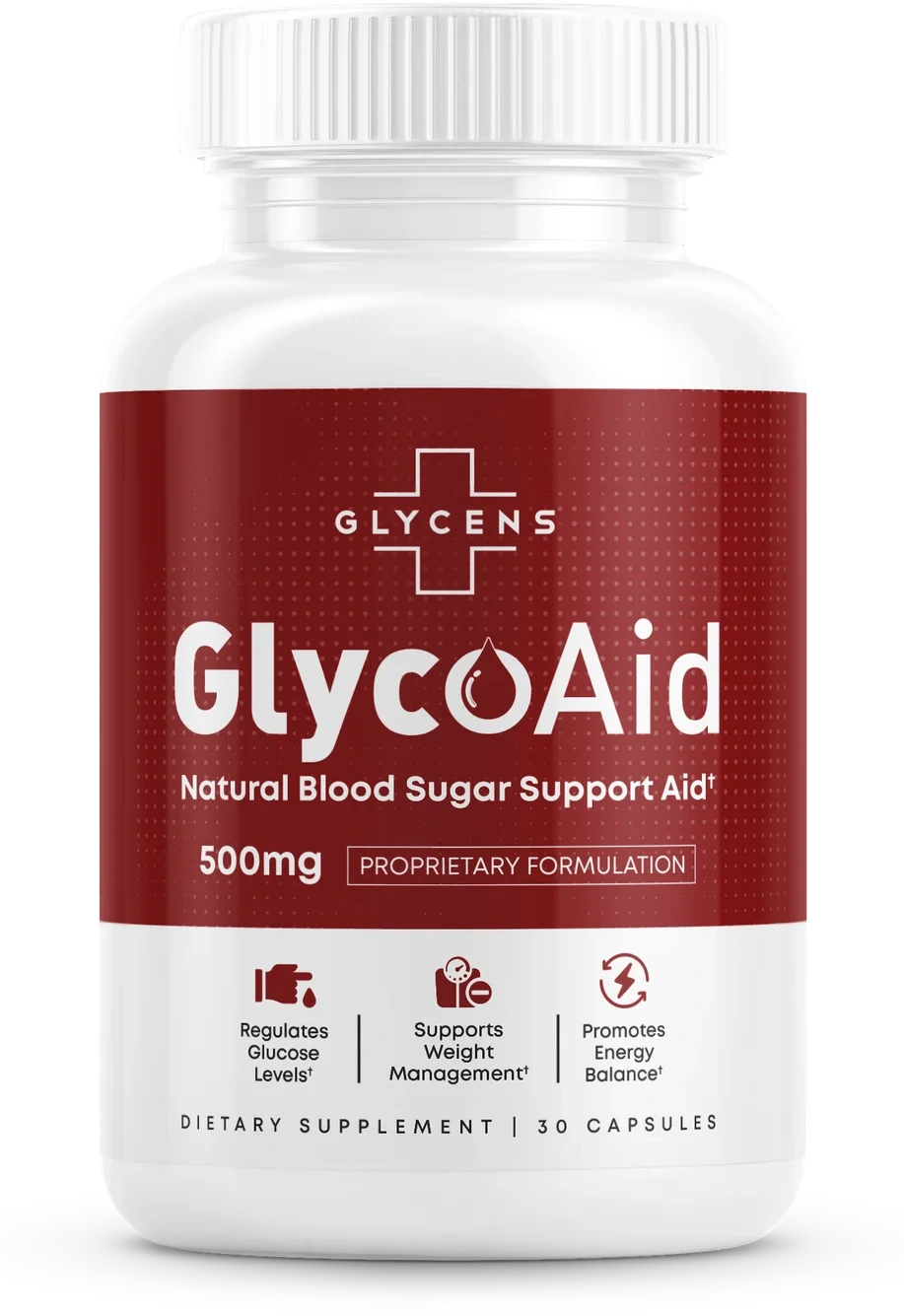
GlycoAid is a once-daily capsule pairing chromium with a 500 mg blend of bitter melon, cinnamon, berberine, banaba and gymnema. The six-bottle bundle is the best value at $49 per bottle, with free U.S. shipping and a 60-day guarantee.
Check today’s GlycoAid pricing — from $49/bottleHow much bitter melon is in GlycoAid?
Bitter melon is one of five botanicals sharing GlycoAid’s 500 mg proprietary blend, so it does not carry a separately listed milligram figure on the label. Proprietary blends group their ingredients under a single total, which is common across the category but does mean the exact split between bitter melon, cinnamon, berberine, banaba and gymnema is not disclosed. We flag this plainly because transparency matters more than hype: if a precise per-herb dose is your priority, that is a fair thing to weigh. You can read the complete Supplement Facts panel and daily amounts in the ingredients section of our GlycoAid review.
Why a blend instead of a single herb?
The case for a blend is that everyday blood-sugar support is not about one hero ingredient but about stacking several modest, complementary contributions. Bitter melon brings tradition and its own plant compounds; berberine brings the strongest research base; cinnamon and banaba add their own studied constituents; gymnema carries a long Ayurvedic history; and chromium supports normal macronutrient metabolism. Combined in one daily capsule, they aim to cover more ground than any single botanical taken alone — while keeping the routine simple.
Is bitter melon safe, and who should be cautious?
Bitter melon has a long track record as a food and is generally well tolerated at culinary and typical supplement amounts, though it is not risk-free for everyone. The most common complaint is mild digestive upset. More importantly, because bitter melon is traditionally associated with lowering blood sugar, combining it with prescription glucose-lowering medication could in theory push levels too low — a real reason to involve your doctor rather than a marketing footnote. This is documented in NIH NCCIH — Bitter Melon, the federal summary of bitter melon research and safety.
| Situation | What to consider |
|---|---|
| Taking glucose-lowering medication | Talk to your doctor first; the combination could lower blood sugar too far. |
| Pregnant or nursing | Avoid — bitter melon is traditionally discouraged in pregnancy. |
| Scheduled surgery | Discuss stopping supplements beforehand, as with most botanicals. |
| Sensitive stomach | Start low; some people notice mild digestive upset. |
| Under 18 or a diagnosed condition | Speak with a healthcare professional before starting. |
These cautions are ordinary supplement common sense, not alarm. GlycoAid is intended to support blood sugar that is already within a normal range, as part of a lifestyle that includes sensible eating and regular movement — a topic we cover in how to support healthy blood sugar naturally.
How do you use bitter melon in a daily routine?
The simplest way to use bitter melon for everyday blood-sugar support is a standardised extract taken consistently, ideally with a meal, so it becomes an automatic habit rather than something you remember sporadically. Traditional users drank fresh juice or ate the cooked gourd, but the bitterness and the effort make that hard to sustain daily, which is the practical appeal of a capsule. Whatever form you choose, pair it with the fundamentals that move the needle most.
- Take it at the same time daily — for GlycoAid, one capsule with a meal.
- Build meals around fibre and protein so the botanical supports an already-sensible plate.
- Walk for 10–15 minutes after your largest meal to blunt the after-meal rise.
- Give it time — botanicals build their support gradually over weeks, not hours.
- Keep your doctor in the loop if you take any medication.
For the food side of that routine, our roundup of the best foods to balance blood sugar is a practical next read.
The honest bottom line on bitter melon
The honest bottom line is that bitter melon is a well-loved traditional food with a plausible blood-sugar rationale and encouraging but inconclusive human evidence — a sensible supporting ingredient, not a cure. It earns its place in GlycoAid by adding a deep folk-tradition layer to a blend that also carries more clinically studied botanicals and chromium. If you are looking for everyday support alongside good food and movement, that stacked approach is more realistic than pinning your hopes on any single herb.
Frequently asked questions
What is bitter melon and why is it in GlycoAid?
Bitter melon (Momordica charantia) is a tropical gourd eaten as a vegetable across Asia and Africa and long used in folk blood-sugar wellness. It appears in GlycoAid as part of a 500 mg botanical blend alongside cinnamon, berberine, banaba and gymnema, contributing to the traditional side of the formula rather than acting as a standalone treatment.
Does bitter melon actually lower blood sugar?
Human studies on bitter melon are mixed and generally small, so the honest answer is that the evidence is promising but not conclusive. It has a strong traditional reputation and some short trials suggest a modest effect, but it is best viewed as everyday support alongside diet and activity, not a proven glucose-lowering drug.
How much bitter melon is in GlycoAid?
Bitter melon is one botanical inside GlycoAid’s 500 mg proprietary blend, so it shares that total with cinnamon, berberine, banaba leaf and gymnema. The exact milligram split for each herb is not disclosed on the label. You can review the full Supplement Facts panel on the GlycoAid homepage.
Is bitter melon safe to take?
Bitter melon has a long history as a food and is generally well tolerated at culinary and supplement amounts, though it can cause stomach upset in some people. It is not recommended during pregnancy, and anyone on glucose-lowering medication should talk to a doctor first because combining the two could push blood sugar too low.
What is the difference between bitter melon and bitter gourd?
They are the same plant. Momordica charantia is called bitter melon, bitter gourd, karela, goya or balsam pear depending on the region. A bitter gourd supplement and a bitter melon supplement refer to the same botanical.
Can I just eat bitter melon instead of taking a supplement?
You can, and it is a nutritious vegetable, but the taste is intensely bitter and the amount used in traditional practice is hard to eat daily. A standardised extract in a capsule such as GlycoAid offers a consistent, convenient dose paired with other blood-sugar botanicals, which is why many people prefer it to cooking the raw gourd.
See the exact dose in GlycoAid — risk-free 60 days →
GlycoAid is a dietary supplement, not a treatment for any medical condition. These statements have not been evaluated by the Food and Drug Administration. This product is not intended to diagnose, treat, cure or prevent any disease. Always consult a qualified healthcare professional about your individual needs.
References & further reading
- National Center for Complementary and Integrative Health (NCCIH). Diabetes and Dietary Supplements. nccih.nih.gov/health/diabetes-and-dietary-supplements
- Peter et al. Momordica charantia L. lowers elevated glycaemia in type 2 diabetes mellitus patients: Systematic review and meta-analysis. Journal of Ethnopharmacology, 2019. pubmed.ncbi.nlm.nih.gov/30385422
- Ooi et al. Momordica charantia for type 2 diabetes mellitus. Cochrane Database of Systematic Reviews, 2012. pubmed.ncbi.nlm.nih.gov/22895968
- Examine.com. Bitter melon (Momordica charantia) — evidence-based summary. examine.com/supplements/bitter-melon
- National Institutes of Health, Office of Dietary Supplements. Chromium — Fact Sheet for Health Professionals. ods.od.nih.gov/factsheets/Chromium-HealthProfessional
These references describe the ingredient in general terms and do not constitute evidence that any product treats, cures or prevents any condition. Bitter melon research in humans is limited and mixed.
Keep reading: berberine and cinnamon for blood sugar · the best foods to balance blood sugar · how to support healthy blood sugar naturally · back to the GlycoAid blog · homepage.