Alpha-lipoic acid for blood sugar: the antioxidant ally in GlycoAid

Published August 2026 · reviewed by the GlycoAid Research Team. We are an independent information resource, not a medical provider, and this article is educational rather than medical advice.
Alpha-lipoic acid (ALA) is a naturally occurring compound your body makes in small amounts that helps mitochondria turn food into energy and also works as a versatile antioxidant. Because it is soluble in both water and fat, it operates almost everywhere inside a cell, which is why it appears so often in metabolic-wellness formulas — and why it earns a supporting place alongside chromium and botanicals in GlycoAid.
Alpha-lipoic acid for blood sugar, in plain terms.
- What it is
- A sulphur-containing antioxidant your body makes that helps convert food into cellular energy and recycles other antioxidants.
- Why it is discussed
- It is studied as an antioxidant companion in metabolism and nerve comfort — not as a glucose-lowering drug, and the evidence is mixed.
- Where it fits
- In GlycoAid, ALA is one antioxidant piece of an everyday-wellness routine built on chromium and a 500 mg botanical blend.
- Honest caveat
- ALA is a supplement, not a treatment; if you take glucose-lowering medicine, talk to your doctor before adding it.
Few supplement ingredients wear as many hats as alpha-lipoic acid. It is a coenzyme in energy metabolism, a stand-alone antioxidant, and a “team player” that helps regenerate vitamins C and E after they have done their work. This guide explains what ALA actually does, what the research does and does not show for blood sugar, and how it earns its keep as a supporting ingredient rather than a headline cure.
What is alpha-lipoic acid, exactly?
Alpha-lipoic acid is a sulphur-containing molecule that every cell in your body uses as a cofactor in the reactions that release energy from food. Your mitochondria — the tiny power plants inside cells — rely on it during the conversion of carbohydrates, fats and proteins into usable fuel. You make small quantities on your own, and trace amounts appear in foods such as organ meats, spinach and broccoli, though far less than a supplement provides. What makes ALA unusual is that it is both water- and fat-soluble, so it can reach parts of the cell that most antioxidants cannot.
Why is it called a “universal” antioxidant?
An antioxidant is a molecule that neutralises reactive compounds called free radicals before they can damage cell structures. Most antioxidants work only in watery or only in fatty environments; alpha-lipoic acid works in both, and its by-product is active too. It also helps recycle other antioxidants — vitamins C and E, glutathione and coenzyme Q10 — so they can keep working. That recycling role is why researchers describe it as a network antioxidant rather than a lone actor.
Is alpha-lipoic acid the same as alpha-linolenic acid?
No, and this is the single most common mix-up. Both are abbreviated “ALA,” but they are chemically unrelated. Alpha-lipoic acid is the antioxidant this article covers; alpha-linolenic acid is an omega-3 fatty acid found in flaxseed and walnuts. When a metabolic formula lists “ALA,” it almost always means alpha-lipoic acid — but it is always worth checking the label.
How does alpha-lipoic acid relate to metabolism and blood sugar?
Alpha-lipoic acid sits at the crossroads of energy production and oxidative balance, which is why it enters the blood-sugar conversation. When cells process glucose, the same machinery that generates energy also generates free radicals. ALA helps run that energy machinery while mopping up its by-products, placing it in the middle of metabolic wellness. Researchers have explored whether that dual role supports how cells respond to insulin, the hormone that ushers glucose out of the bloodstream, but this is ongoing study rather than settled fact. For the underlying research, see Akbari et al., Metabolism 2018 — a systematic review and meta-analysis of alpha-lipoic acid supplementation and glucose control in metabolic disease.
It is important to be precise here. In everyday wellness terms, alpha-lipoic acid is a companion nutrient that supports normal metabolic processes and antioxidant defences. It is not a medicine, and no supplement should be treated as a substitute for diet, activity or medical care. The value of ALA is as one thread in a wider fabric of healthy habits.

What does the evidence actually say?
The honest summary is that alpha-lipoic acid is one of the more heavily studied metabolic antioxidants, yet the findings for blood-sugar outcomes are mixed and often modest. Some trials and reviews report small, favourable signals for insulin sensitivity or for the nerve comfort many people associate with metabolic wellness; others show little difference from placebo. Study designs, doses and durations vary widely, which makes tidy conclusions hard. The table below sorts the main threads by how strong the current evidence is. The evidence base for this point is set out in Rahimlou et al., Clinical Nutrition ESPEN 2019, a systematic review and meta-analysis of alpha-lipoic acid and glycemic and inflammatory biomarkers.
| Area of interest | What research explores | Strength of evidence |
|---|---|---|
| Antioxidant activity | Neutralising free radicals and recycling other antioxidants | Well established as a biochemical property |
| Energy metabolism | Role as a cofactor in converting food to cellular energy | Well established biologically |
| Insulin sensitivity | Whether ALA supports how cells respond to insulin | Mixed and preliminary |
| Nerve comfort | Studied mostly with higher, supervised intravenous or oral doses | Some supportive trials; not a self-care claim |
| Everyday “blood-sugar” use | As a supporting antioxidant in wellness blends | General wellness rationale, not a treatment claim |
The takeaway is not that ALA does nothing — its antioxidant and metabolic roles are real biochemistry — but that you should treat any single ingredient as a supporting player. That is exactly the framing GlycoAid uses: no ingredient carries the routine alone. For a look at two of the blend's better-known botanicals, read our guide to berberine and cinnamon for blood sugar.
See the exact dose in GlycoAid
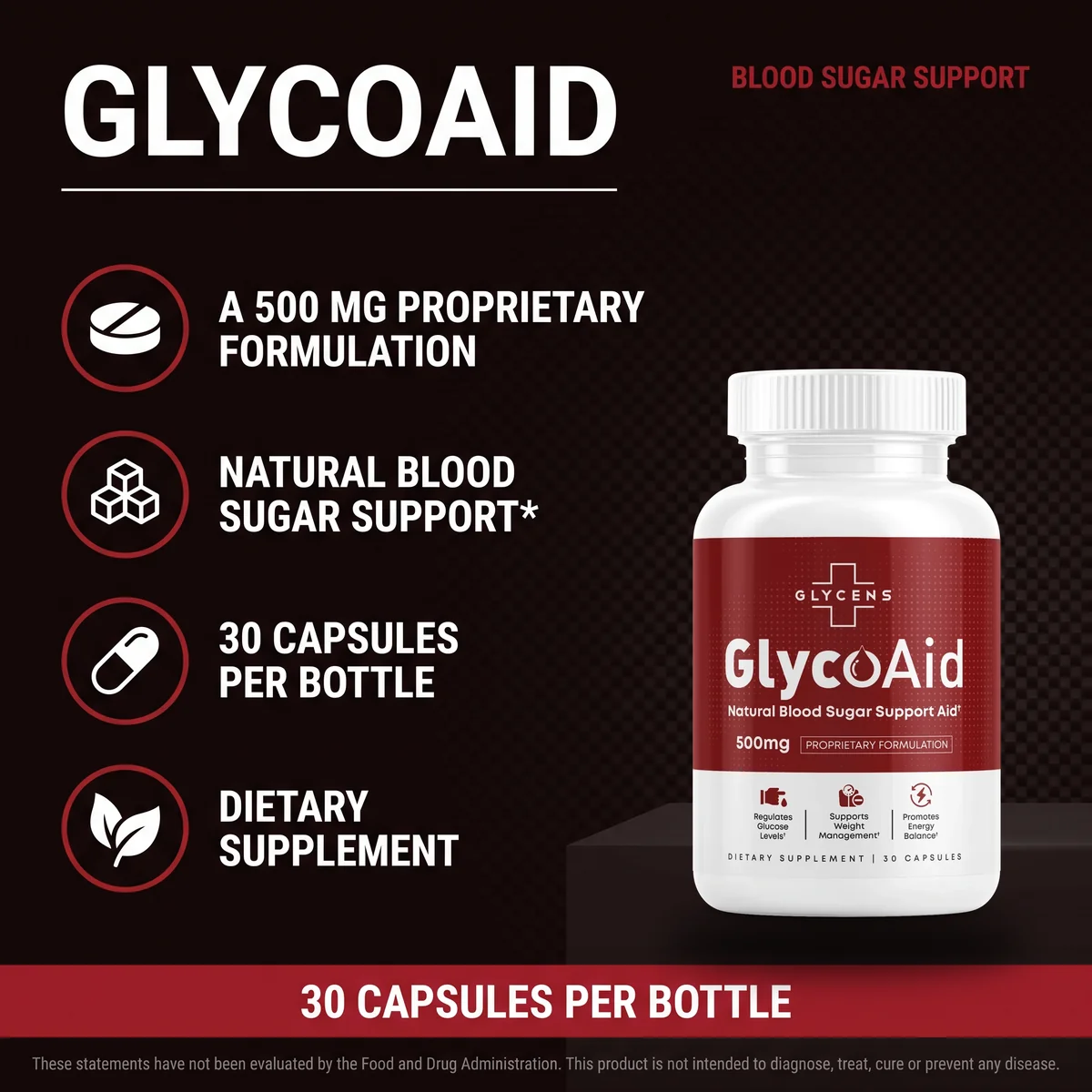
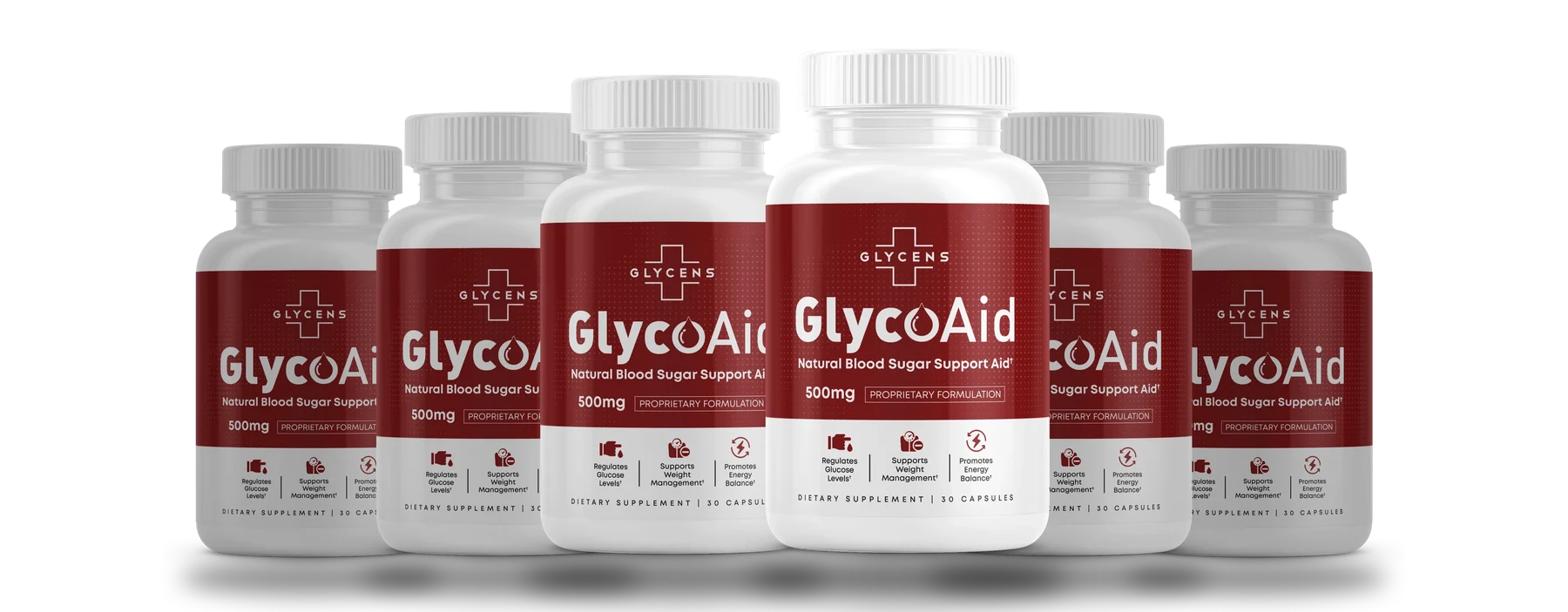
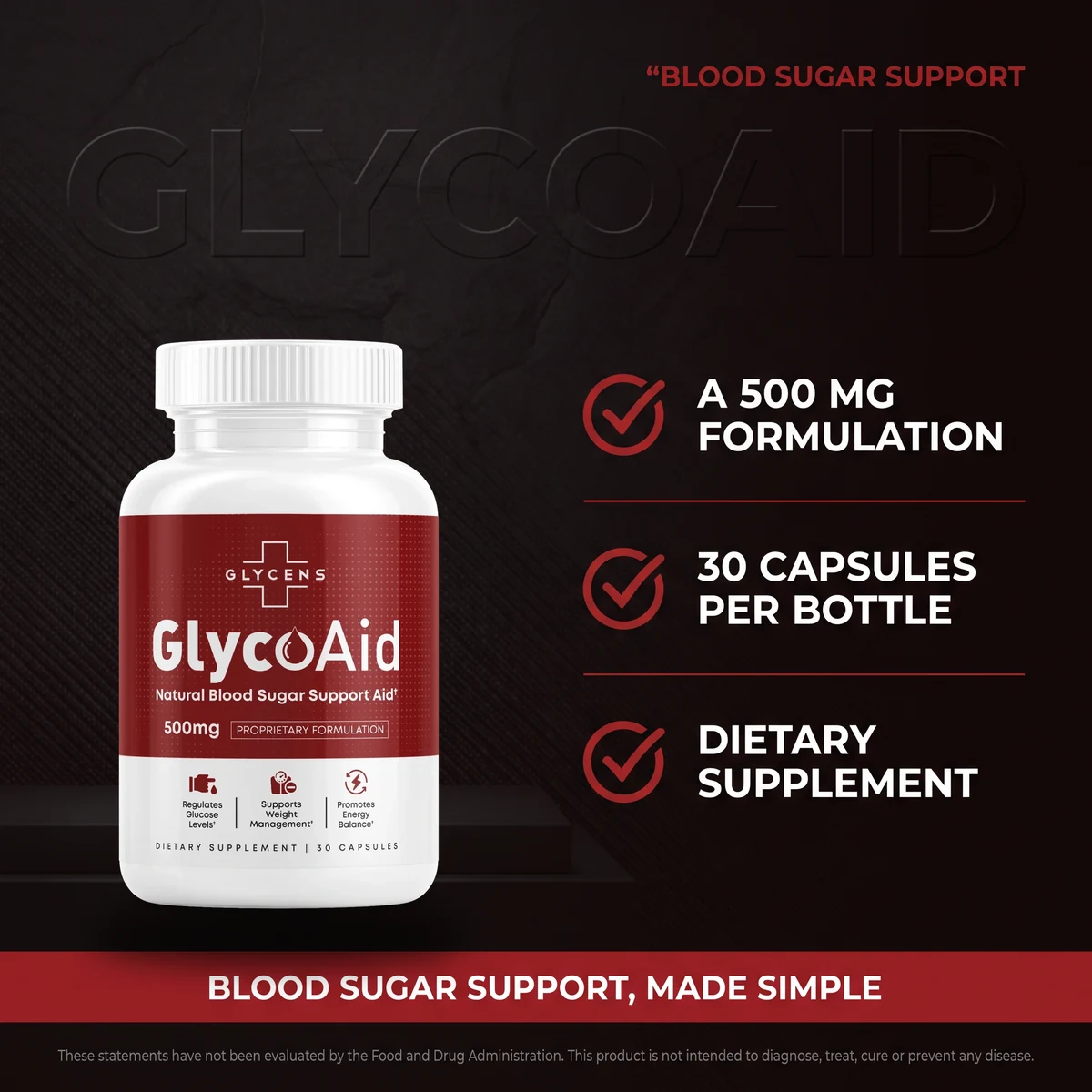
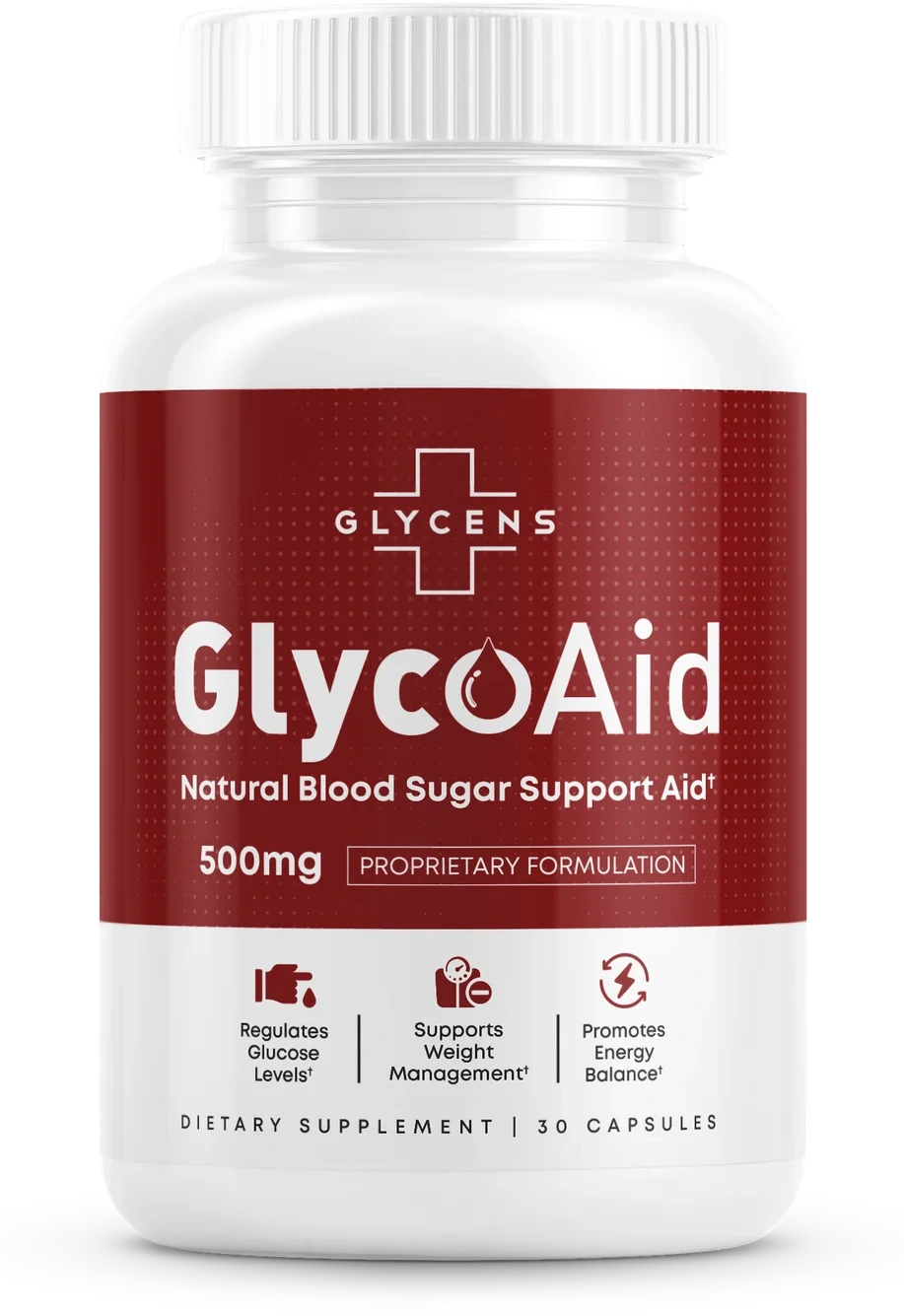
GlycoAid is a once-daily capsule that pairs chromium with a 500 mg botanical blend, with antioxidant support as part of the everyday routine. The six-bottle bundle is the best value at $49 per bottle, with free U.S. shipping and a 60-day guarantee.
Order GlycoAid — from $49/bottleWhy is the antioxidant angle the most useful way to think about ALA?
Framing alpha-lipoic acid as an antioxidant companion is the most accurate and honest way to understand it. Everyday metabolism — turning meals into energy — produces oxidative by-products, and the body's antioxidant network keeps them in check. Because ALA is both water- and fat-soluble and helps regenerate vitamins C and E, it strengthens that network from a position most nutrients cannot reach. In a metabolic formula, that is the role it plays: not a lever that yanks glucose down, but a background support that fits how the body already works.
How does ALA work with the rest of a blend?
Formulas like GlycoAid are built on the idea that small, complementary supports stack. Chromium contributes to normal macronutrient metabolism; botanicals such as cinnamon, gymnema, banaba and bitter melon carry long traditions in blood-sugar wellness; and an antioxidant such as alpha-lipoic acid rounds out the picture on the oxidative-balance side. None of these is a standout hero, and that is by design — the goal is a sensible, well-rounded daily companion to food and movement, not a single miracle molecule.
What dose of alpha-lipoic acid do studies use?
Research on alpha-lipoic acid has used a broad range of amounts, which is one reason results are hard to compare. A “typical” study dose is not the same as a supporting amount inside a daily blend, and higher amounts used in supervised clinical settings are a different context altogether. The table below puts the common ranges in perspective — always read your own product's label rather than assuming.
| Context | Common range discussed | Notes |
|---|---|---|
| General supplement use | ~300–600 mg/day | The band most often cited in research summaries; taken orally. |
| Supervised clinical settings | Higher, sometimes intravenous | Done under medical oversight; not a self-care template. |
| Supporting amount in a blend | Smaller, formula-specific | One antioxidant piece among several ingredients. |
| Timing | Often taken with or before a meal | Some people find an empty-stomach dose better absorbed; labels vary. |
Whatever the label says, consistency matters more than chasing a big single dose. Antioxidant support builds gradually, which is why most people choose a multi-month supply — compare the packages and pricing, or see the whole routine in our guide to supporting healthy blood sugar naturally.
Is alpha-lipoic acid safe, and who should be careful?
Alpha-lipoic acid is generally well tolerated at the amounts found in everyday supplements, with the most common complaint being mild digestive upset. That said, because ALA may influence how the body handles glucose, a few groups should be deliberate about it. Anyone taking glucose-lowering medication should speak with a doctor first, since combining supports could affect their numbers. People who are pregnant or nursing, those under 18, and anyone managing a diagnosed condition should also check first. Persistent symptoms such as excessive thirst, frequent urination or unexplained fatigue are a conversation for a clinician, not a supplement label. This is documented in NIH NCCIH — Diabetes and Dietary Supplements, the federal summary of what supplements have and have not been shown to do here.
Frequently asked questions
What is alpha-lipoic acid and what does it do?
Alpha-lipoic acid (ALA) is a compound your body makes in small amounts that helps mitochondria turn food into energy and also acts as an antioxidant. Because it dissolves in both water and fat, it works throughout the cell and can help recycle other antioxidants such as vitamins C and E.
Does alpha-lipoic acid help with blood sugar?
ALA is studied as an antioxidant companion in metabolism rather than as a glucose-lowering drug. Some research explores its role in insulin sensitivity and nerve comfort, but evidence is mixed and it is not a treatment for any condition. In GlycoAid it plays a supporting antioxidant role alongside chromium and botanicals.
What is a typical alpha-lipoic acid dose?
Research studies have used a wide range, commonly from about 300 mg to 600 mg per day, and sometimes higher under supervision. Supplement formulas use smaller supporting amounts as part of a blend. Always follow the label and ask a doctor before combining ALA with glucose-lowering medicine.
Is alpha-lipoic acid the same as omega-3 alpha-linolenic acid?
No. Both are abbreviated ALA, but they are unrelated. Alpha-lipoic acid is a sulphur-containing antioxidant made in the body, while alpha-linolenic acid is an omega-3 fatty acid found in flax and walnuts. This article is about alpha-lipoic acid.
Is alpha-lipoic acid safe to take?
ALA is generally well tolerated at common supplement amounts, with occasional mild stomach upset. Because it may influence blood sugar, people on glucose-lowering medication, those who are pregnant or nursing, and anyone with a medical condition should speak with a doctor first.
How does alpha-lipoic acid fit into GlycoAid?
GlycoAid pairs chromium with a 500 mg botanical blend, and alpha-lipoic acid contributes as an antioxidant companion within that everyday-wellness framework. It supports the routine rather than replacing diet, activity or medical care.
Check today's GlycoAid pricing →
GlycoAid is a dietary supplement, not a treatment for any medical condition. These statements have not been evaluated by the Food and Drug Administration. This product is not intended to diagnose, treat, cure or prevent any disease. Always consult a qualified healthcare professional about your individual needs.
References & further reading
- National Center for Complementary and Integrative Health (NCCIH). Diabetes and Dietary Supplements. nccih.nih.gov/health/diabetes-and-dietary-supplements
- National Institutes of Health, Office of Dietary Supplements. Antioxidants — Fact Sheet for Health Professionals. ods.od.nih.gov/factsheets/Antioxidants-HealthProfessional
- Examine.com. Alpha-Lipoic Acid — evidence-based summary. examine.com/supplements/alpha-lipoic-acid
- Akbari et al. The effects of alpha-lipoic acid supplementation on glucose control and lipid profiles among patients with metabolic diseases: A systematic review and meta-analysis of randomized controlled trials. Metabolism, 2018. pubmed.ncbi.nlm.nih.gov/29990473
- MedlinePlus, U.S. National Library of Medicine. Alpha-Lipoic Acid. medlineplus.gov/druginfo/natural/767.html
These references describe the ingredient and habits in general terms and do not constitute evidence that any product treats, cures or prevents any condition.
Keep reading: how berberine and cinnamon work · supporting healthy blood sugar naturally · the full GlycoAid review · back to the GlycoAid blog.