White mulberry leaf for blood sugar: the GlycoAid botanical spotlight

Updated September 2026 · reviewed by the GlycoAid Research Team. We are an independent information resource, not a medical provider, and this article is educational rather than medical advice.
White mulberry leaf for blood sugar is the wellness use of Morus alba leaves — long brewed as a tea in East Asia — to help soften the rise in glucose that follows a carbohydrate meal. Its interest comes from a natural compound called 1-deoxynojirimycin (DNJ), which gently slows starch digestion so sugar enters the bloodstream more evenly. Inside GlycoAid, mulberry leaf is one supporting botanical in a wider blend, not a stand-alone treatment.
White mulberry leaf and blood sugar, in one place.
- What it is
- The leaf of the white mulberry tree (Morus alba), used as a traditional tea and now as a standardised supplement extract.
- How it works
- Its compound DNJ temporarily slows the gut enzymes that turn starch into glucose, blunting the after-meal spike.
- The evidence
- Small human trials suggest it can lower the post-meal glucose rise; promising but still limited, so honest expectations matter.
- In GlycoAid
- It sits in a 500 mg botanical blend with cinnamon, berberine, banaba, gymnema and chromium — a team, not a single hero.
White mulberry leaf is one of the more interesting botanicals aimed at the after-meal glucose spike, and it appears in a growing number of formulas — including GlycoAid. This spotlight explains how it works, what the research shows, and where it fits.
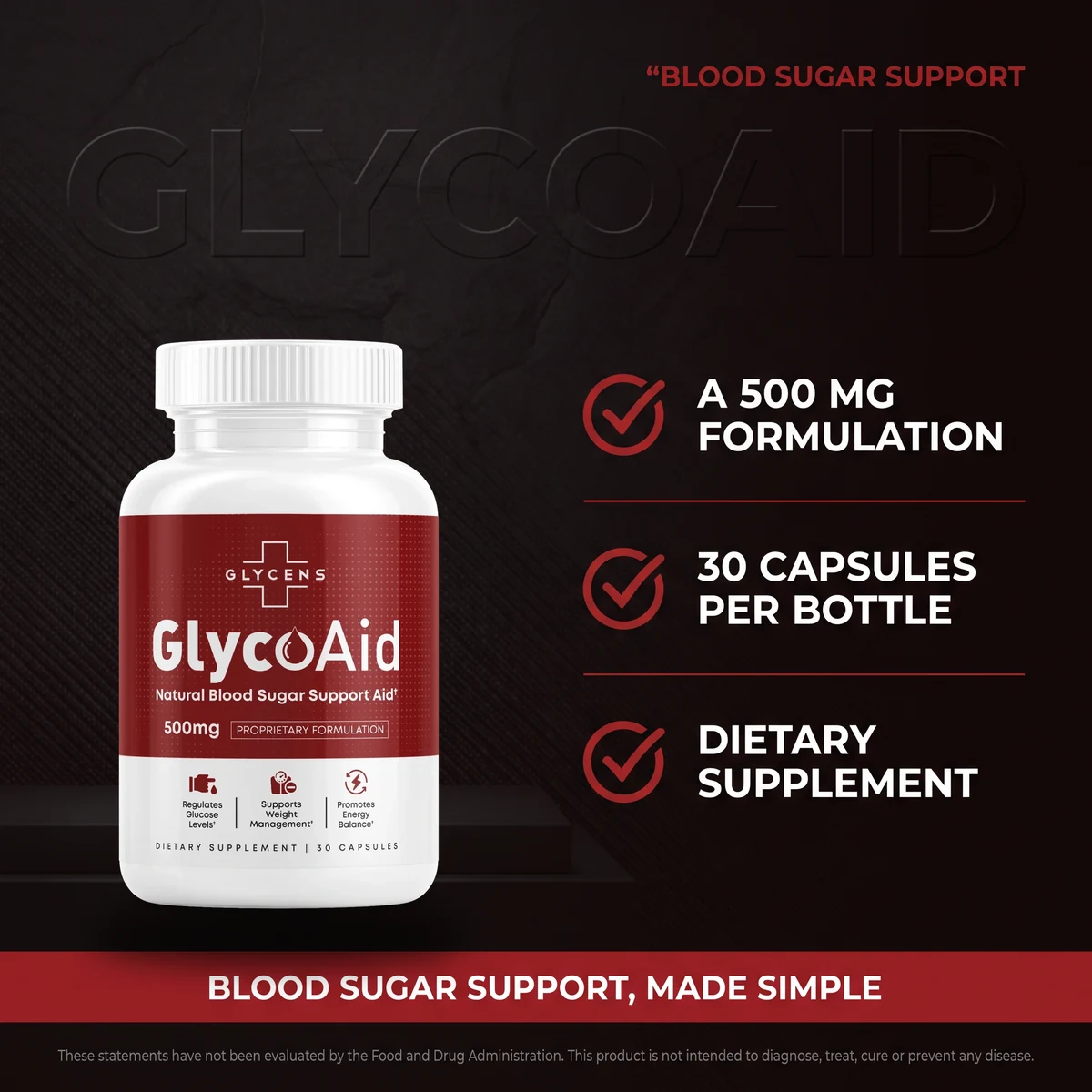
What is white mulberry leaf, and why is it in GlycoAid?
White mulberry leaf is the foliage of Morus alba, a tree cultivated for millennia and long brewed as a tea within the East Asian blood-sugar-wellness tradition. But it earns a place in GlycoAid on more than folklore: mulberry leaf is one of nature's richest sources of 1-deoxynojirimycin, or DNJ — a sugar-shaped molecule that interacts with the enzymes your gut uses to break carbohydrates down. That single, measurable mechanism is what separates it from a generic "healthy herb."
Is white mulberry leaf the same as morus alba or mulberry leaf extract?
Yes — the names describe the same plant at different stages. Morus alba is the botanical name for the white mulberry tree; white mulberry leaf is its leaf; and mulberry leaf extract is the concentrated, often standardised form used in capsules. GlycoAid uses the standardised extract so the amount of active botanical is consistent from capsule to capsule.
How does white mulberry leaf support blood sugar?
White mulberry leaf supports blood sugar mainly by slowing how quickly dietary carbohydrates become glucose. When you eat starch or sugar, enzymes in your small intestine called alpha-glucosidases snip those carbohydrates into single glucose molecules that can be absorbed. DNJ resembles glucose closely enough to sit temporarily in the pocket of those enzymes, reducing their pace — so glucose releases in a slower, flatter wave rather than a sharp peak. It is the same principle as pairing carbohydrates with fibre. For the underlying research, see Asai et al., Journal of Diabetes Investigation 2011 — a trial of mulberry leaf extract enriched in 1-deoxynojirimycin and postprandial glycemic control.
Why take mulberry leaf before a meal?
This is a mild, meal-linked effect, not a lever that forces blood sugar in any direction. It works best on the meal it accompanies, which is why most use and research centres on taking mulberry leaf before a carbohydrate-heavy meal. It supports glucose already within a normal range and is not a substitute for medication or diet.
What does the research on white mulberry leaf actually say?
The honest summary is that white mulberry leaf shows genuine promise for blunting after-meal glucose, on a foundation of small human trials rather than large ones. Several controlled studies have given people a standardised extract before a carbohydrate load and measured a lower post-meal glucose rise versus placebo — a consistent, biologically sensible signal. What is missing is scale: most trials are small and use different extracts and doses, so the field cannot yet claim guaranteed outcomes. The snapshot below is deliberately cautious. The evidence base for this point is set out in Kim et al., Journal of Medicinal Food 2015, a randomised, double-blind, placebo-controlled trial of mulberry leaf extract and postprandial glucose.
| What people ask | What the evidence suggests | Confidence |
|---|---|---|
| Lowers the post-meal glucose spike? | Small human trials generally show a reduced rise when a standardised extract is taken before carbohydrates. | Moderate; limited trial size |
| Helps fasting blood sugar over time? | Mixed and less studied; some longer studies hint at benefit, others show little change. | Low / preliminary |
| Is the mechanism understood? | Yes — DNJ inhibiting alpha-glucosidase enzymes is well characterised in the lab. | Well established |
| Is it a treatment for diabetes? | No. It is a wellness botanical, not a drug, and no supplement replaces prescribed care. | Not a treatment |
In short: the mechanism is solid, the post-meal effect is repeatedly observed, and the long-term picture needs larger studies — which is why GlycoAid treats mulberry leaf as one contributor within a blend, not a miracle ingredient. See also our guide to supporting blood sugar naturally.
See the exact dose in GlycoAid →
How much white mulberry leaf, and in what form?
There is no single official dose for white mulberry leaf, because studies use a wide range of extracts and formats. What matters most is the amount of active DNJ and the timing — before a carbohydrate meal — not a large quantity of leaf. The table gathers the forms you will encounter.
| Form | Typical range seen in research | Notes |
|---|---|---|
| Whole dried leaf / tea | Roughly 1,000–3,000 mg leaf | Traditional format; DNJ content varies with plant and preparation. |
| Standardised leaf extract | Set DNJ level, taken pre-meal | More consistent dose; the format in most modern formulas. |
| As part of a blend | A measured share of a formula | How GlycoAid uses it — inside a 500 mg blend, not a solo mega-dose. |
| Timing | Shortly before a carbohydrate meal | The effect is strongest on the meal it accompanies. |
GlycoAid delivers mulberry leaf as one standardised component of its 500 mg botanical blend, in a single daily capsule with a meal — favouring consistency over chasing the highest number for any one herb. See the full formula in the ingredients section.
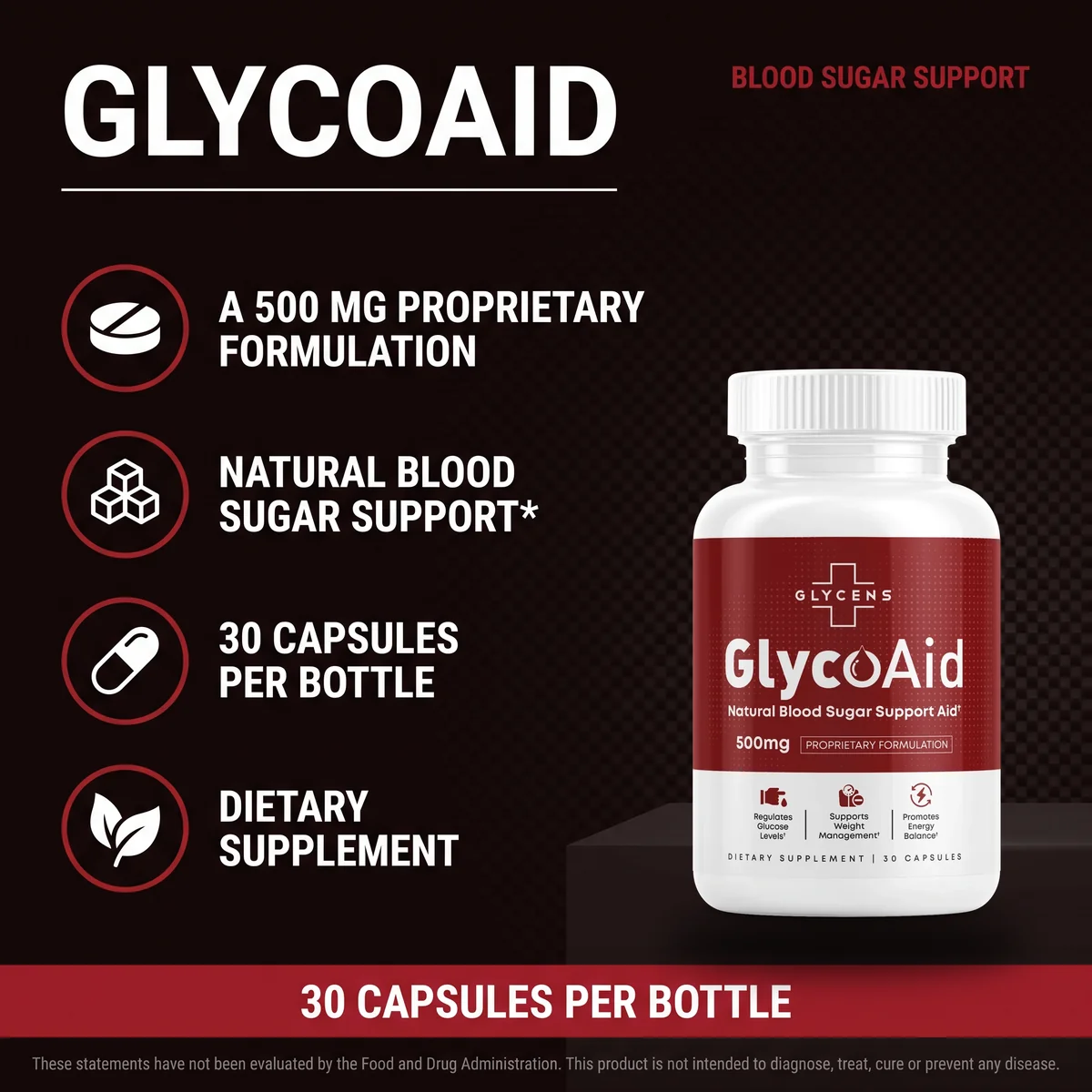
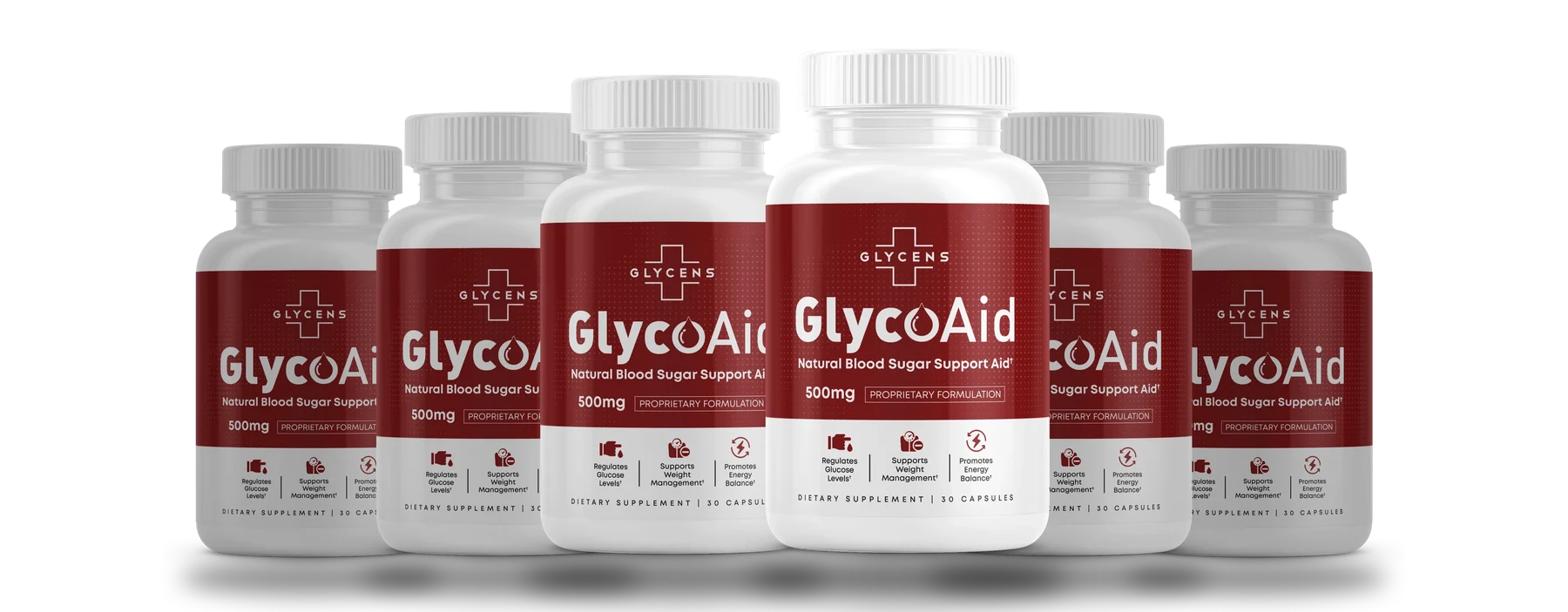
Mulberry leaf, in one daily capsule
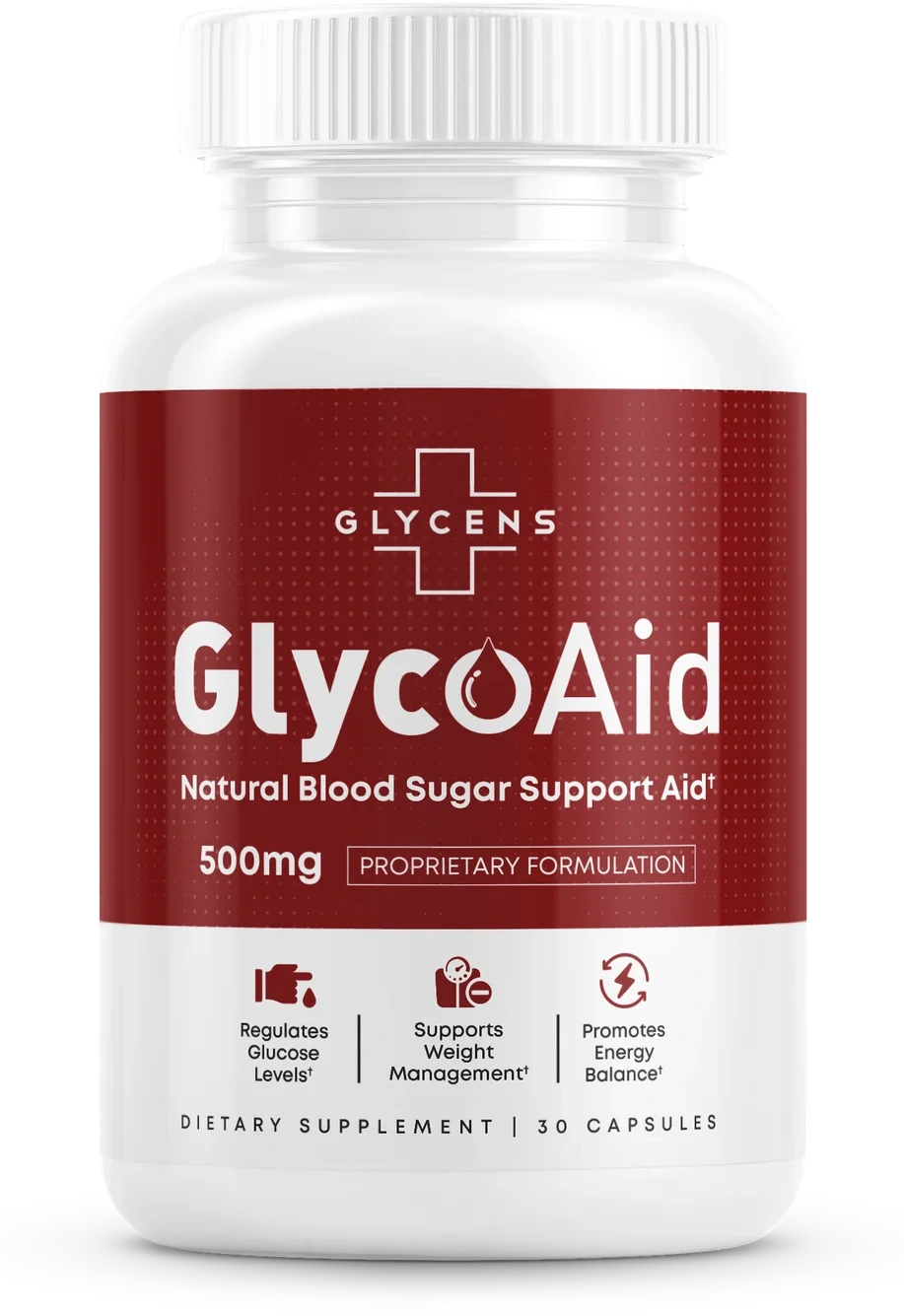
GlycoAid pairs standardised white mulberry leaf with chromium and a 500 mg botanical blend, one capsule a day. The six-bottle bundle is best value at $49 per bottle, with free U.S. shipping and a 60-day guarantee.
Check today's GlycoAid pricing — from $49/bottleHow does white mulberry leaf fit alongside GlycoAid's other botanicals?
White mulberry leaf earns its place by doing something the other GlycoAid botanicals do not: slowing carbohydrate breakdown right at the gut. That complements rather than duplicates its blend-mates — the logic of a multi-botanical formula.
Who are mulberry leaf's blend-mates?
- Cinnamon — a classic culinary botanical, popular in everyday blood-sugar-wellness formulas.
- Berberine — among the deeper research bases of the metabolic botanicals; see our look at berberine and cinnamon for blood sugar.
- Banaba leaf — a tropical leaf and source of corosolic acid.
- Gymnema — the Ayurvedic "sugar destroyer," a well-researched wellness herb.
- Chromium — a trace mineral that contributes to normal macronutrient metabolism.
Together these give GlycoAid its "team" character: mulberry leaf and banaba lean toward the meal itself, gymnema and cinnamon carry traditional use, and berberine and chromium round out the metabolic picture. None is a treatment; the formula supports a diet-and-activity routine, not replaces it.
Is white mulberry leaf safe? Who should be cautious?
White mulberry leaf is generally well tolerated, with a long history of use as a food and tea. Because its whole point is to slow carbohydrate digestion, the most commonly reported effects are mild and digestive — a little bloating or gas — tending to appear at higher doses or fade as your body adjusts. Taking it with a meal, as GlycoAid is designed to be, helps keep things comfortable. This is documented in MedlinePlus — White Mulberry, the National Library of Medicine monograph on white mulberry.
The more important caution is about combinations. If you take glucose-lowering medication, adding a botanical that also blunts post-meal glucose could in theory lower blood sugar more than you intend, so talk to your doctor first — as you should if you are pregnant or nursing, under 18, managing a diagnosed condition, or noticing persistent symptoms such as excessive thirst, frequent urination or ongoing fatigue. Botanicals belong within, not instead of, your medical care.

How do you use GlycoAid with mulberry leaf in a daily routine?
The best way to use a mulberry-leaf formula is to make it a small, consistent anchor around your largest carbohydrate meal, then let habits do the rest.
- Take one GlycoAid capsule with a meal, ideally your most carbohydrate-rich one.
- Lead that meal with vegetables and protein before the starch.
- Walk for 10–15 minutes afterward, which pulls glucose into working muscles.
- Swap one sugary drink for water or unsweetened tea — mulberry tea works too.
- Give it several weeks; the single-meal effect is immediate but broader support builds gradually.
For the fuller playbook of habits mulberry leaf slots into, see how to support healthy blood sugar naturally and the best foods to balance blood sugar.
Frequently asked questions
What is white mulberry leaf and why is it in GlycoAid?
White mulberry leaf is the foliage of the Morus alba tree, long brewed as tea in East Asia. It is a natural source of 1-deoxynojirimycin (DNJ), which slows the digestion of starch and sugar. In GlycoAid it is one supporting botanical in the blend.
How does white mulberry leaf help with blood sugar?
The DNJ in white mulberry leaf temporarily slows the gut enzymes that break carbohydrates into glucose, so sugar enters the bloodstream more evenly rather than in a sharp spike. It supports blood sugar already within a normal range and is not a treatment for any disease.
How much white mulberry leaf should you take for blood sugar?
Studies use a wide range, commonly standardised extracts providing a few milligrams of DNJ before a carbohydrate meal, or whole-leaf doses of roughly 1,000 to 3,000 mg. GlycoAid uses a standardised 500 mg blend. Ask your doctor if you take medication.
Is white mulberry leaf the same as morus alba or mulberry leaf extract?
Yes. Morus alba is the botanical name for the white mulberry tree, white mulberry leaf refers to its leaves, and mulberry leaf extract is the concentrated supplement form. The active compound is 1-deoxynojirimycin, or DNJ.
Does white mulberry leaf have side effects?
White mulberry leaf is generally well tolerated. Because it slows carbohydrate digestion, some people notice mild, temporary bloating or gas at higher doses. If you take glucose-lowering medication, speak with your doctor first.
How long does white mulberry leaf take to work?
Its effect on a single meal is immediate, blunting the glucose rise from that meal's carbohydrates. Broader support builds gradually alongside diet and activity over several weeks, and results vary.
Try GlycoAid with white mulberry leaf, risk-free for 60 days →
GlycoAid is a dietary supplement, not a treatment for any medical condition. These statements have not been evaluated by the Food and Drug Administration. This product is not intended to diagnose, treat, cure or prevent any disease. Always consult a qualified healthcare professional about your individual needs.
References & further reading
- National Center for Complementary and Integrative Health (NCCIH). Diabetes and Dietary Supplements. nccih.nih.gov/health/diabetes-and-dietary-supplements
- U.S. National Library of Medicine, MedlinePlus. White Mulberry. medlineplus.gov/druginfo/natural/1523.html
- Kim et al. Mulberry leaf extract improves postprandial glucose response in prediabetic subjects: a randomized, double-blind placebo-controlled trial. Journal of Medicinal Food, 2015. pubmed.ncbi.nlm.nih.gov/25343729
- Yatsunami et al. The relationship between 1-deoxynojirimycin content and alpha-glucosidase inhibitory activity in leaves of 276 mulberry cultivars (Morus spp.) in Kyoto, Japan. Journal of Natural Medicines, 2008. pubmed.ncbi.nlm.nih.gov/18404344
- National Institutes of Health, Office of Dietary Supplements. Chromium — Fact Sheet for Health Professionals. ods.od.nih.gov/factsheets/Chromium-HealthProfessional
- Examine.com. Mulberry — evidence-based summary. examine.com/supplements/morus-alba
These references describe the ingredient and habits in general terms and do not constitute evidence that any product treats, cures or prevents any condition.
Keep reading: berberine and cinnamon · best foods to balance blood sugar · the GlycoAid blog · the full GlycoAid review.