Berberine vs chromium for blood sugar: the GlycoAid comparison

Updated September 2026 · reviewed by the GlycoAid Research Team. We are an independent information resource, not a medical provider, and this article is educational rather than medical advice.
Berberine vs chromium comes down to one core difference: berberine is a plant alkaloid taken in gram-level doses for a broad botanical effect on glucose metabolism, while chromium is an essential trace mineral your body needs in microgram amounts for normal macronutrient processing. They are not rivals so much as different tools, and that is exactly why a formula like GlycoAid pairs the two rather than choosing a side.
Plant alkaloid vs trace mineral, in one place.
- The short version
- Berberine is a botanical with an active, wide-reaching effect; chromium is a micronutrient you may simply be short of. Both feature in the blood-sugar-wellness conversation, and neither treats any disease.
- Berberine
- A plant alkaloid from herbs like goldenseal and barberry, studied at roughly 500 mg two to three times daily.
- Chromium
- An essential trace mineral supporting normal metabolism of carbohydrates, fats and proteins, typically around 200 mcg a day.
- Why not choose?
- They act through different routes, so GlycoAid combines chromium with a 500 mg botanical blend featuring berberine in one daily capsule.
If you have compared blood-sugar supplements, you have almost certainly weighed berberine or chromium against each other, yet the two differ sharply in origin, dose and how they are studied. This guide lays out the berberine chromium comparison, then explains why GlycoAid treats them as partners rather than alternatives.
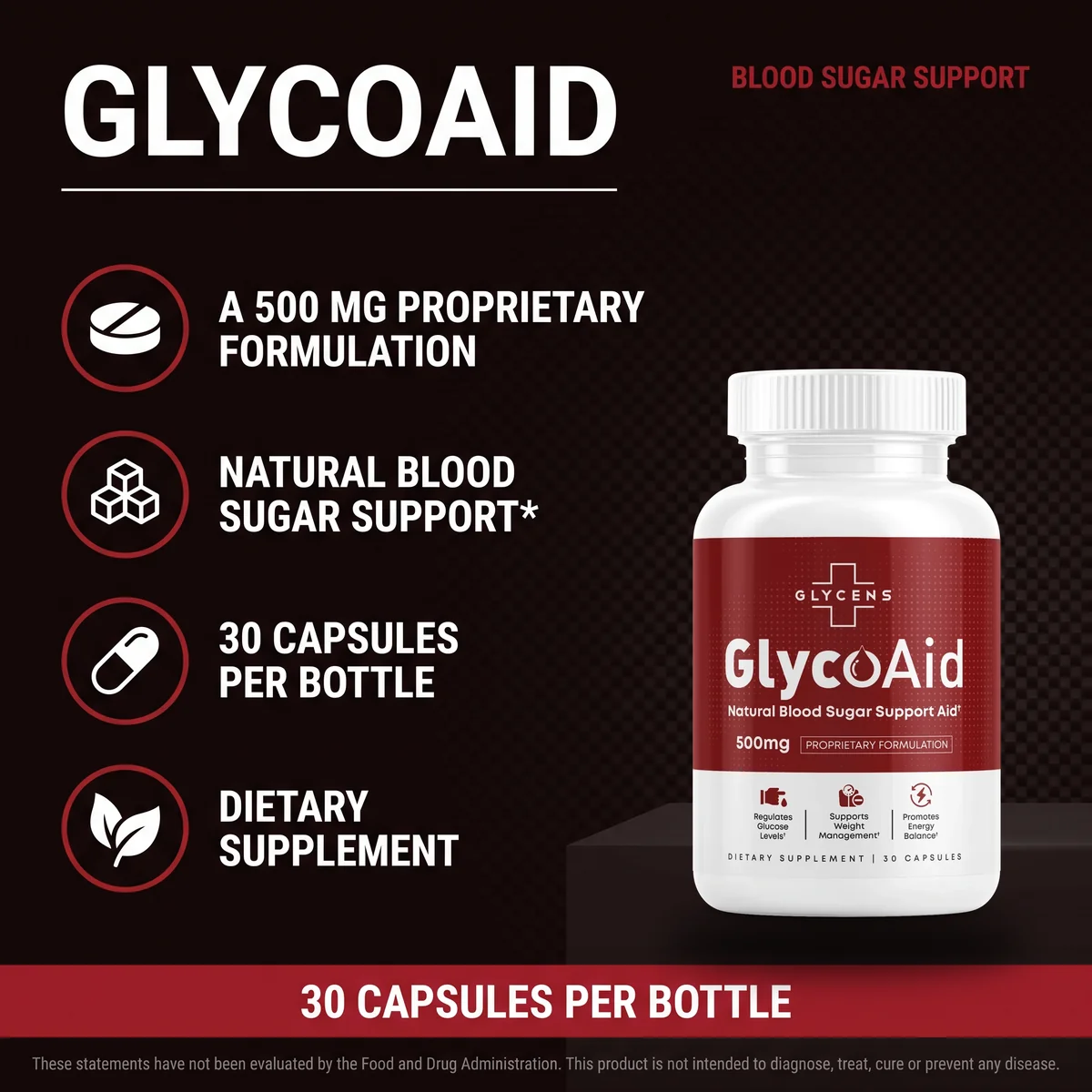
What is the difference between berberine and chromium?
The core difference is category: berberine is a plant alkaloid — an active botanical compound — while chromium is an inorganic trace mineral, a basic nutrient. A botanical is supplemented for the effect its molecules produce, so doses run to hundreds of milligrams; a trace mineral tops up what your diet may lack, so doses are tiny micrograms.
What is berberine, and how does it work?
Berberine is a bright-yellow plant alkaloid found in herbs such as goldenseal, barberry and Oregon grape, used for centuries in traditional Chinese and Ayurvedic practice. It is one of the most studied natural compounds in the blood-sugar-wellness space, valued for a broad influence on how the body handles glucose and lipids. For the underlying research, see Guo et al., Oxidative Medicine and Cellular Longevity 2021 — a systematic review and meta-analysis of berberine and metabolic profiles.
Where does berberine come from?
Berberine is extracted from the roots, bark and stems of several plants rather than a single crop, which is why quality supplements standardise the amount per capsule and the doses used in studies far exceed anything you would get from a culinary herb.
How much berberine do studies use?
Research most often uses roughly 500 mg of berberine two to three times a day with meals, for a daily total near 1,000 to 1,500 mg. Splitting the dose matters: berberine has a short stay in the body, so dividing it across meals smooths its effect and softens digestive upset. Reviews summarised on Examine.com describe promising findings while noting that study quality varies and larger trials are still needed.
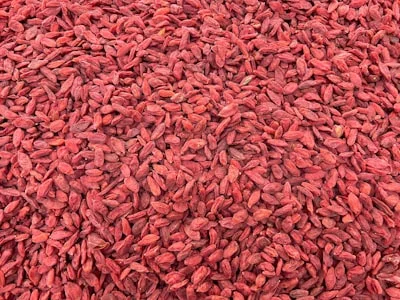
What is chromium, and what does it do?
Chromium is an essential trace mineral your body cannot make and must obtain from food, and it contributes to the normal metabolism of carbohydrates, fats and proteins. Unlike berberine, chromium is a recognised nutrient with an established dietary role, which is why the NIH Office of Dietary Supplements sets reference intakes for it. The evidence base for this point is set out in Asbaghi et al., Pharmacological Research 2020, a systematic review and meta-analysis of chromium supplementation and glycemic control.
Why is chromium called a trace mineral?
Chromium is a trace mineral because the body needs it in extremely small quantities — micrograms, not milligrams. It appears in foods like broccoli, whole grains, meat and nuts, though amounts vary with soil and processing. Supplemental chromium, often as chromium picolinate, is generally used at about 200 mcg a day, an amount regarded as safe for general use.
What does the evidence say about chromium?
The evidence for chromium is genuinely mixed: some studies suggest a supportive role in glucose metabolism where intake is low, while others show little effect in people already well-nourished. The National Center for Complementary and Integrative Health calls the research inconsistent and stops short of any treatment claim — chromium is a nutrient, not a medicine.
See the exact dose in GlycoAid →
Berberine vs chromium: a side-by-side comparison
A side-by-side comparison makes the plant-alkaloid-versus-mineral contrast obvious: the two differ in origin, dose scale, mechanism and evidence. The table below sets the essentials next to each other, showing why one is not a straight substitute for the other.
| Feature | Berberine | Chromium |
|---|---|---|
| Type | Plant alkaloid (botanical) | Essential trace mineral |
| Source | Goldenseal, barberry, Oregon grape | Broccoli, whole grains, meat, nuts |
| Typical study dose | ~500 mg, 2-3× daily with meals | ~200 mcg daily |
| Dose scale | Milligrams to grams | Micrograms |
| General role | Broad botanical effect on glucose & lipid metabolism | Supports normal macronutrient metabolism |
| Evidence base | Active area of study; quality varies | Established nutrient; effect data mixed |
| Common side effects | Digestive upset, eased by splitting doses | Well tolerated; occasional mild upset |
Which is better, berberine or chromium?
There is no single winner between berberine and chromium; the honest answer depends on what you are trying to do. If your diet is already rich in chromium-containing foods, more of the mineral may add little; if you want the wide-ranging botanical action berberine is studied for, a trace mineral will not stand in for it. The two are complementary rather than interchangeable, so the more useful question is not “either/or” but “how do they fit together?”
Plant alkaloid vs mineral: which fits your routine?
A plant alkaloid vs mineral choice often comes down to your starting point. People drawn to well-studied botanicals, willing to take capsules with each meal, gravitate toward berberine; those who prefer a simple, low-dose nutrient with a long safety record lean toward chromium. Many formulas skip the dilemma and include both alongside diet and activity — the levers that still matter most, as we cover in how to support healthy blood sugar naturally.
Why does GlycoAid use both berberine and chromium?
GlycoAid uses both because a trace mineral and a plant alkaloid cover different parts of the same picture, and pairing them beats betting everything on one. Rather than an isolated high-dose berberine capsule, GlycoAid delivers chromium alongside a 500 mg botanical blend featuring berberine with cinnamon, banaba leaf, gymnema and bitter melon — a once-daily way to support everyday blood sugar already within a normal range, not to treat any condition. See how the blend is built in our guides to chromium for blood sugar and berberine and cinnamon.
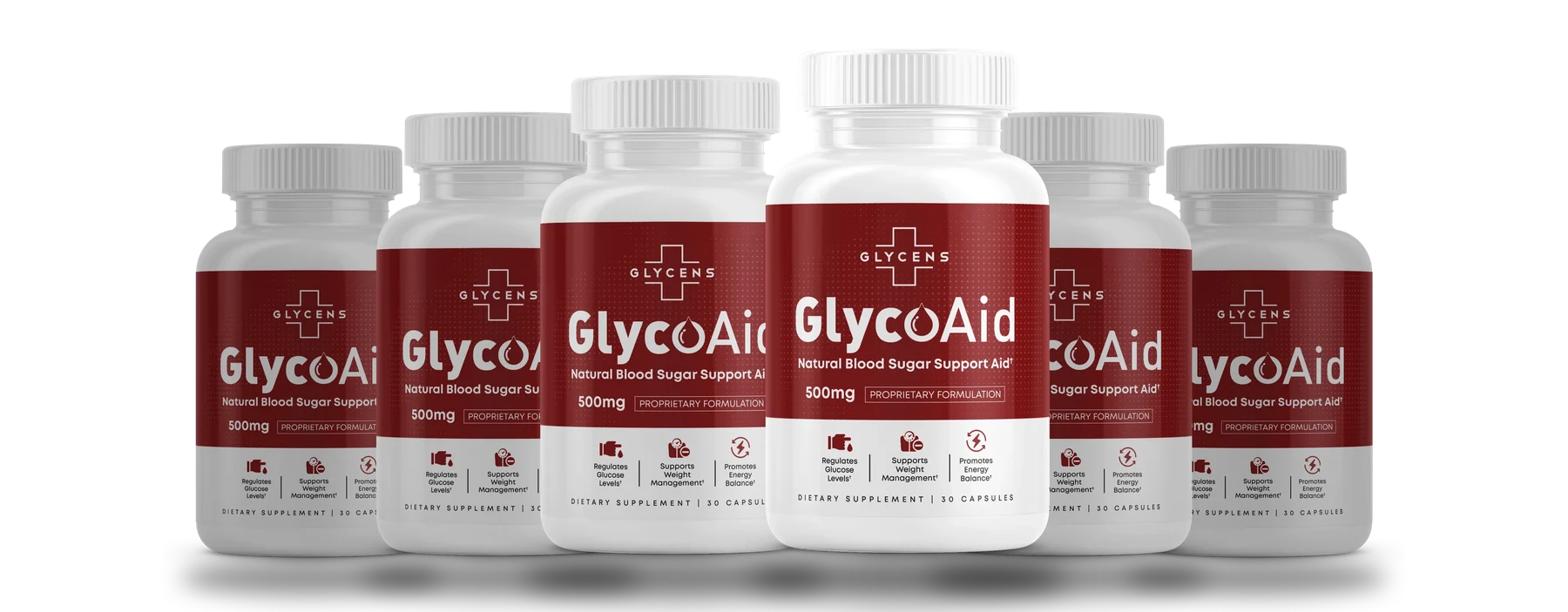
Both ingredients, one daily capsule
GlycoAid combines chromium with a 500 mg botanical blend featuring berberine, so you do not have to pick a side. The six-bottle bundle is the best value at $49 per bottle, with free U.S. shipping and a 60-day guarantee.
Check today's GlycoAid pricing — from $49/bottleHow do you use berberine and chromium safely?
Using berberine and chromium safely starts with respecting their very different dose scales and taking each with food. They behave differently in the body, so their practical dos and don'ts differ. This is documented in NIH NCCIH — Diabetes and Dietary Supplements, the federal summary of what supplements have and have not been shown to do here.
| Consideration | Berberine | Chromium |
|---|---|---|
| When to take | With meals, dose split 2-3× daily | Once daily, with food |
| Why split or time it | Short-lived in the body; splitting eases digestion | Absorption is modest; food helps |
| Most common complaint | Cramping, loose stools or constipation | Occasional mild stomach upset |
| Key caution | Can interact with glucose-lowering medicine | Very high doses are unnecessary and unhelpful |
| Who should ask a doctor first | Anyone pregnant, nursing, under 18, on medication, or with a diagnosed condition | |

Whichever route you take, supplements sit on top of the fundamentals — whole food, movement after meals and steady sleep. For a single capsule with both ingredients, compare the packages and pricing on the homepage.
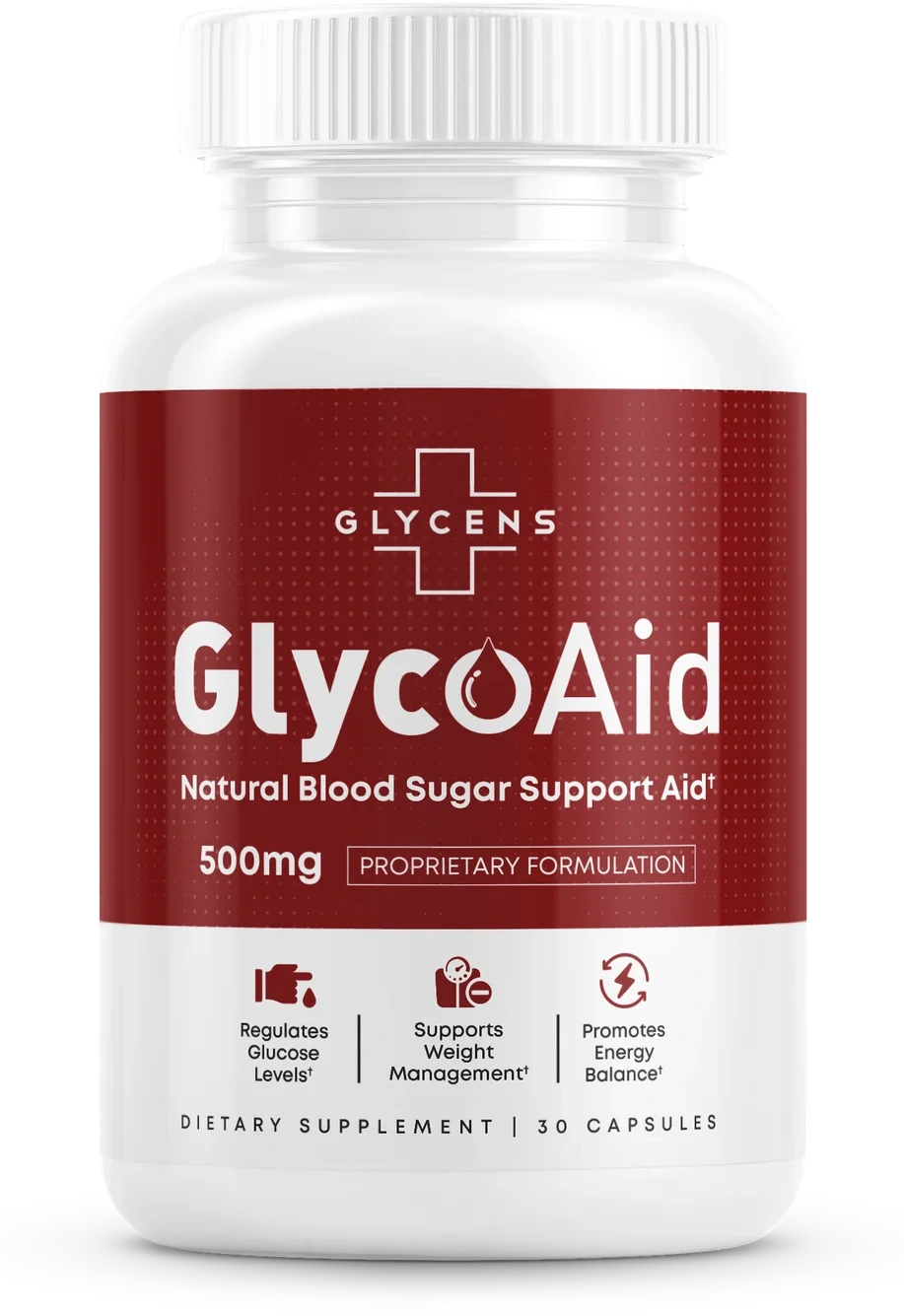
When should you talk to a doctor?
Berberine and chromium are for supporting blood sugar already within a normal range, not for replacing medical care. Both can interact with glucose-lowering medication, so a conversation matters if you take any prescription medicine, are pregnant or nursing, are under 18, have a diagnosed condition, or notice persistent symptoms such as excessive thirst, frequent urination or unexplained weight change. A quick word with your doctor keeps anything you add safe alongside your care.
Frequently asked questions
Is berberine or chromium better for blood sugar?
Neither is simply better; they work in different ways. Berberine is a plant alkaloid studied at gram-level doses for a broad effect on glucose metabolism, while chromium is an essential trace mineral needed in microgram amounts for normal macronutrient metabolism. Because they act through different routes, formulas like GlycoAid often include both rather than choosing one.
What is the difference between a plant alkaloid and a trace mineral?
A plant alkaloid such as berberine is a naturally occurring plant compound taken in relatively large milligram-to-gram doses for an active botanical effect. A trace mineral such as chromium is an inorganic nutrient your body needs in tiny microgram amounts to support normal metabolism. One is a botanical you supplement for its actions; the other is a nutrient you may simply be short of.
Can you take berberine and chromium together?
Many blood-sugar-wellness formulas, including GlycoAid, pair berberine-family botanicals with chromium because they support metabolism through different pathways. That said, both can interact with glucose-lowering medication, so anyone taking prescription medicine, who is pregnant or nursing, or who has a diagnosed condition should ask a doctor before combining them.
How much berberine and chromium do studies typically use?
Berberine is commonly studied at roughly 500 mg taken two to three times a day with meals, totalling around 1,000 to 1,500 mg. Chromium research often uses about 200 micrograms daily, within the range considered safe for general use. GlycoAid provides chromium alongside a 500 mg botanical blend rather than isolated high-dose berberine.
Does chromium have side effects compared with berberine?
Chromium at typical supplemental doses is generally well tolerated, with occasional mild digestive complaints. Berberine most often causes gastrointestinal effects such as cramping, diarrhoea or constipation, usually eased by splitting the dose across meals. Neither is a treatment for any disease, and medication users should check with a doctor first.
Why does GlycoAid include both berberine and chromium?
GlycoAid combines chromium with a 500 mg botanical blend that features berberine because a mineral and a plant alkaloid cover different parts of the metabolic picture. The aim is broad, everyday blood-sugar support in one daily capsule rather than relying on a single ingredient, and it complements diet and activity rather than replacing medical care.
Get berberine and chromium together in GlycoAid →
GlycoAid is a dietary supplement, not a treatment for any medical condition. These statements have not been evaluated by the Food and Drug Administration. This product is not intended to diagnose, treat, cure or prevent any disease. Always consult a qualified healthcare professional about your individual needs.
References & further reading
- National Institutes of Health, Office of Dietary Supplements. Chromium — Fact Sheet for Health Professionals. ods.od.nih.gov/factsheets/Chromium-HealthProfessional
- National Center for Complementary and Integrative Health (NCCIH). Diabetes and Dietary Supplements. nccih.nih.gov/health/diabetes-and-dietary-supplements
- Dong et al. Berberine in the treatment of type 2 diabetes mellitus: a systemic review and meta-analysis. Evidence-Based Complementary and Alternative Medicine, 2012. pubmed.ncbi.nlm.nih.gov/23118793
- Asbaghi et al. Effects of chromium supplementation on glycemic control in patients with type 2 diabetes: a systematic review and meta-analysis of randomized controlled trials. Pharmacological Research, 2020. pubmed.ncbi.nlm.nih.gov/32730903
- Examine.com. Berberine — evidence-based summary. examine.com/supplements/berberine
These references describe the ingredients in general terms and do not constitute evidence that any product treats, cures or prevents any condition.
Keep reading: chromium for blood sugar · how berberine and cinnamon work · back to the GlycoAid blog · homepage.