Maca root for energy: the vitality botanical in GlycoAid

Updated September 2026 · reviewed by the GlycoAid Research Team. We are an independent information resource, not a medical provider, and this article is educational rather than medical advice.
Maca root for energy refers to the Andean adaptogen — the tuber Lepidium meyenii — that is traditionally used to support stamina and a steady sense of vitality, and it is the energy-focused botanical layered into GlycoAid’s daily formula. Unlike caffeine, maca is a food-style plant that works gradually rather than as a stimulant, so its role is gentle everyday support for people whose blood sugar is already within a normal range, not a treatment for any condition.
What maca root is, and why it is GlycoAid’s steady-energy botanical.
- What it is
- Maca is a root vegetable from the high Andes of Peru, eaten as a food for centuries and now used as an adaptogenic supplement.
- The traditional role
- Maca is used to support stamina, mood and a feeling of steady vitality — a nutritional support, not a drug, and it is caffeine-free.
- Why in GlycoAid
- Maca is the energy-and-vitality botanical that complements GlycoAid’s blood-sugar blend of cinnamon, berberine, banaba, gymnema and bitter melon.
- What the evidence says
- Small human studies report improvements in self-rated energy and mood, but the research base is early and modest, so honesty is warranted.
Maca is one of the more approachable ingredients on a supplement label because it started as food: Andean communities have eaten the dried root for generations, long before it appeared in capsules. That heritage is part of why maca now shows up in blends like GlycoAid aimed at steady, all-day energy. This deep dive explains what maca is, how the adaptogen idea works, what the research does and does not show, and why GlycoAid uses it as a vitality botanical rather than a stimulant.

What is maca root, and what does it do for energy?
Maca root is an edible Andean tuber, Lepidium meyenii, in the same broad plant family as broccoli and radish, and it is traditionally used to support stamina, mood and a sense of steady energy. Grown at extreme altitude in the Peruvian highlands, the root is dried and milled into a powder that has been a dietary staple — and a folk tonic for vitality — for centuries. When people talk about maca for energy, they mean this gradual, nutritional support rather than the sharp lift of a stimulant.
It helps to be precise. Maca contains no caffeine and does not act on the nervous system the way coffee does, so its “energy” is better described as steady vitality and reduced day-to-day fatigue in some users, not a measurable surge. That distinction — support versus stimulation — runs through everything below.
Why is maca called a “food-style” adaptogen?
Maca is called a food-style botanical because it was a dietary staple before it was ever a supplement, which sets it apart from concentrated extracts. The whole dried root carries carbohydrates, fibre, plant protein and a spread of vitamins and minerals, so a serving behaves more like a nutritious food powder than an isolated active compound — which is why it is taken daily and consistently rather than dosed for an immediate effect.
What does it mean that maca is an adaptogen?
An adaptogen is a botanical traditionally used to help the body cope with everyday physical and mental stress and return to balance, and maca is one of the plants most often placed in that group. Instead of pushing one system hard in a single direction — the way a stimulant pushes alertness — an adaptogen offers gentle, non-specific support that helps the body self-regulate. It is a useful frame, and also one to hold loosely. For the underlying research, see Gonzales et al., Forschende Komplementärmedizin 2009 — the reference review of Lepidium meyenii from tradition to science.
The honest picture is that “adaptogen” is a traditional category more than a strict pharmacological one, reflecting centuries of use and a still-early body of research rather than a settled mechanism. For maca, that means the vitality people describe is consistent with tradition, while the science explaining exactly how it works is still developing. Naming that gap is part of using the ingredient honestly.
How is an adaptogen different from a stimulant?
A stimulant such as caffeine produces a fast lift followed by a decline, whereas an adaptogen like maca is used for slower, steadier support without the spike-and-crash pattern. That difference matters for anyone watching blood sugar and energy together, because the goal is even, sustainable vitality rather than peaks and dips. The contrast below shows why maca is a daily routine rather than a quick fix.
| Feature | Maca (adaptogen) | Caffeine (stimulant) |
|---|---|---|
| Type of support | Gradual, food-style vitality | Fast, acute alertness |
| Onset | Builds over weeks of daily use | Within minutes of a dose |
| Spike-and-crash | Not associated with it | Common as levels fall |
| Caffeine content | None | The active compound |
| Typical use | Consistent daily routine | As-needed pick-me-up |
What does the research actually say about maca and energy?
The research on maca is genuinely promising in places and genuinely limited in others, and both halves of that sentence matter. Several small human trials, many conducted in Peru, report improvements in self-rated energy, mood and wellbeing after weeks of daily maca. At the same time, most studies are small, short and varied in design, so authorities describe the evidence as insufficient to draw firm conclusions. The table below sketches where the picture stands. The evidence base for this point is set out in Gonzales-Arimborgo et al., Pharmaceuticals 2016, a randomised trial of black and red maca extracts in adult humans.
| Claim about maca | What the evidence looks like |
|---|---|
| Traditional use for stamina and vitality | Centuries of documented dietary and folk use in the Andes. |
| Self-rated energy and mood | Some small trials report improvement; studies are limited and short. |
| General wellbeing and stress | Early adaptogen-style findings; not conclusive. |
| Direct blood-sugar treatment | Not established; maca is not a treatment for any condition. |
| Safety at typical food-style amounts | Generally well tolerated in healthy adults in available studies. |
Two things stand out. The strongest support for maca is its long record as a food and the consistency of what users report, rather than large trials; and wherever a claim edges toward treating a disease, the evidence simply is not there. That is why maca belongs in a wellness formula as everyday support, not a medical intervention.
Why does maca sit in the GlycoAid blend?
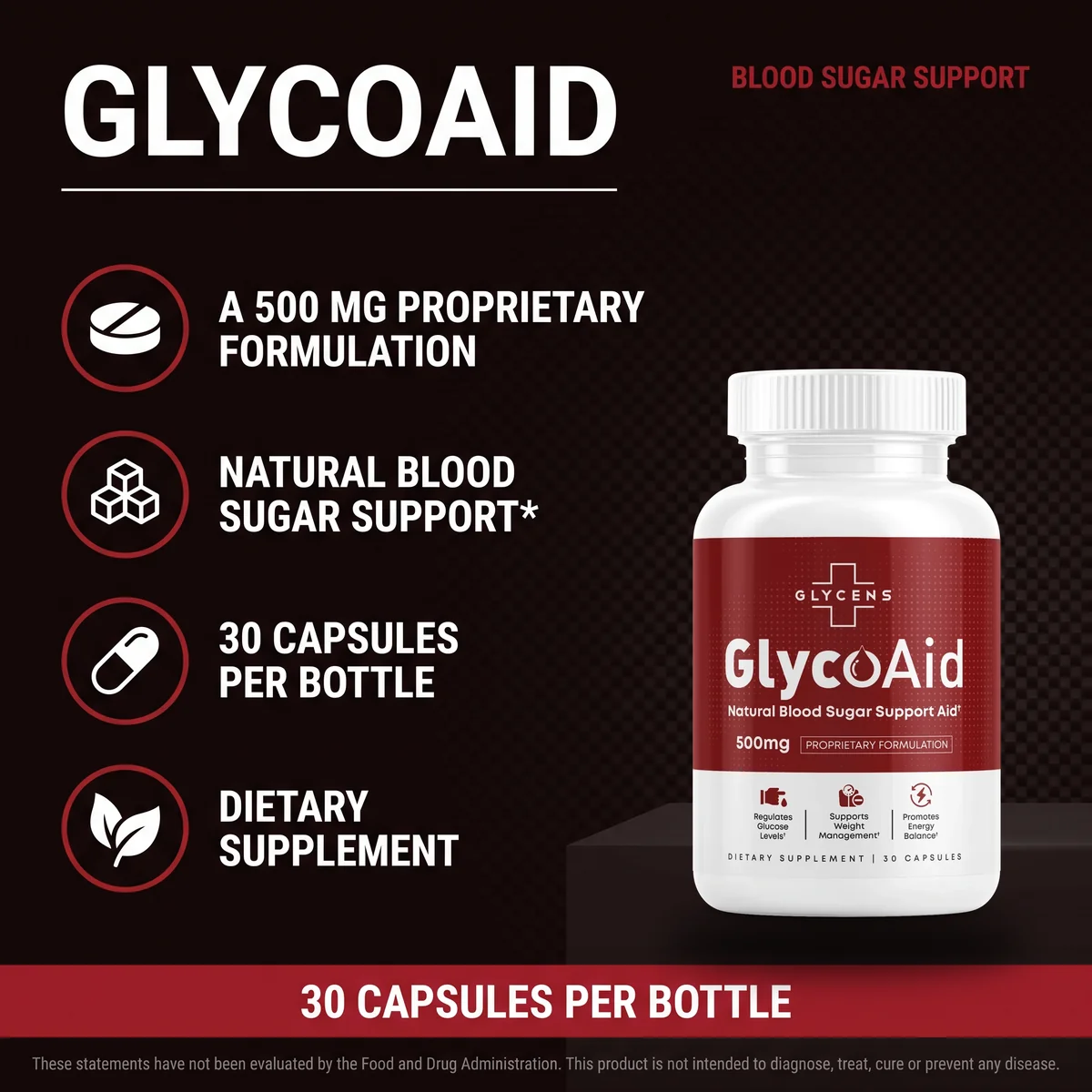
Maca sits in GlycoAid as the vitality botanical — the ingredient chosen to address the steady-energy side of blood-sugar wellness, which the core metabolic ingredients do not directly cover. GlycoAid is built as a once-daily capsule around a blend of cinnamon, berberine, banaba leaf, gymnema and bitter melon; maca adds the adaptogenic, food-style energy layer so the formula supports how you feel, not only how the body processes carbohydrates.
Think of it as two jobs in one capsule: the blood-sugar botanicals handle the metabolic side, while maca contributes the traditional vitality support. For the metabolic half of the story, our companion guide to berberine and cinnamon for blood sugar goes deeper, and the homepage lists every component in the full ingredients section.
See the exact dose in GlycoAid
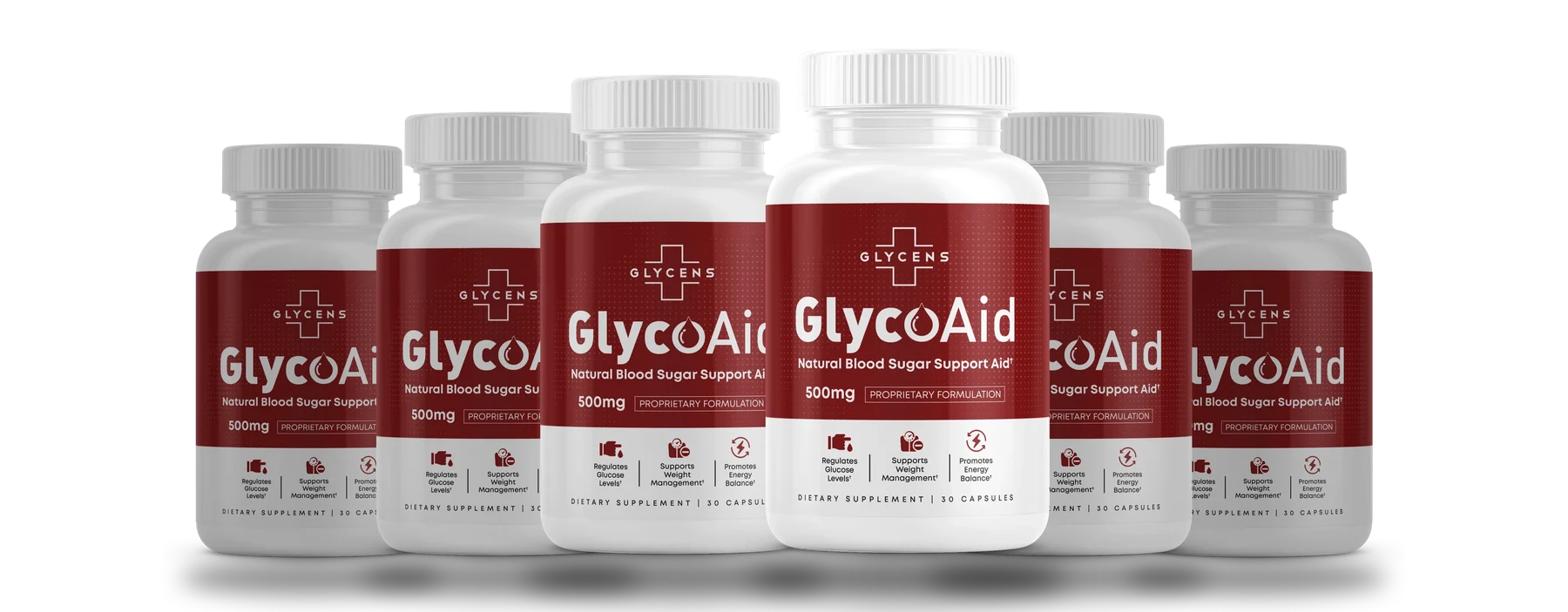
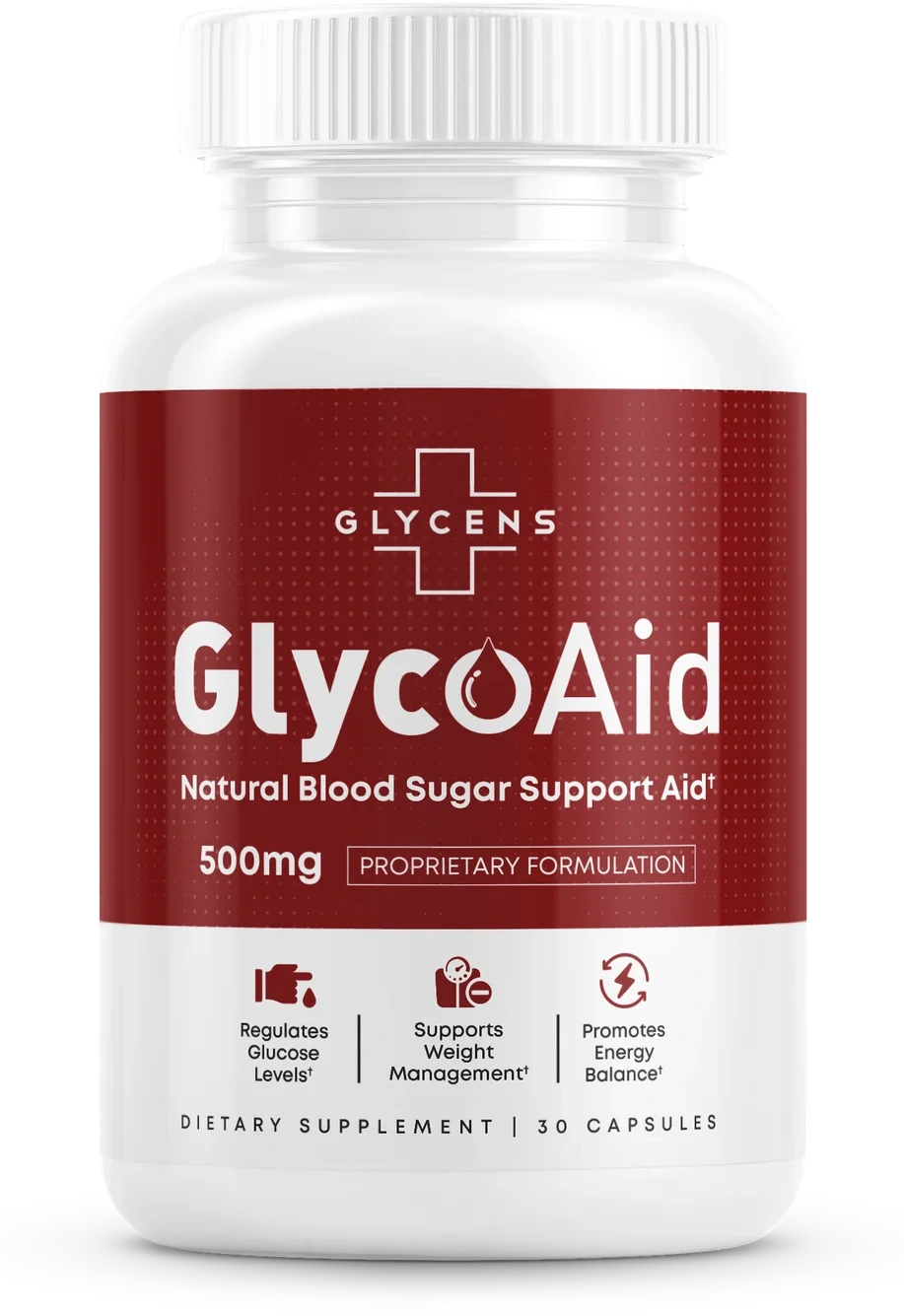
GlycoAid is a once-daily capsule pairing a 500 mg blood-sugar blend with maca for steady vitality. The six-bottle bundle is the best value, with free U.S. shipping and a money-back guarantee.
Check today’s GlycoAid pricing →How do you use maca for steady everyday energy?
Maca is used consistently over weeks rather than as a one-off, because its food-style support builds through routine rather than arriving in a single dose. People typically take a daily amount for several weeks, then judge the effect on their steady energy and mood. Within GlycoAid it fits the same once-a-day habit as the rest of the blend.
What routine gets the most from maca?
The routine that gets the most from maca is an ordinary one, because the botanical is a supporting layer rather than the main event. The habits below do the heaviest lifting for steady energy, with maca and the GlycoAid blend alongside them.
- Take it at the same time daily — consistency matters more than timing for a food-style adaptogen.
- Build meals around fibre and protein — steadier meals mean steadier energy between them.
- Walk after your largest meal — movement helps smooth the post-meal dip that drags energy down.
- Protect your sleep — no supplement replaces the vitality that comes from good rest.
- Give it several weeks — judge maca on a four-to-twelve-week window, not a single day.

How does maca work with GlycoAid’s other botanicals?
Maca works with GlycoAid’s other botanicals by covering a different job: while cinnamon, berberine, banaba, gymnema and bitter melon are the blood-sugar-focused layer, maca contributes the steady-energy and vitality side — complementary within one capsule, so you are not stacking separate products. If you want the plate that supports both energy and glucose, our guide to the best foods to balance blood sugar covers it, and supporting healthy blood sugar naturally lays out the full daily routine.
See the exact dose in GlycoAid →
Is maca root safe, and who should be cautious?
For most healthy adults, maca is generally well tolerated at typical supplement amounts, which is unsurprising for a plant eaten as a food for centuries, and reported side effects are uncommon and usually mild. Even so, the same sensible “ask first” guidance that applies to any new supplement applies here, and a few groups should check with a clinician before adding maca. This is documented in NIH NCCIH — Herbs at a Glance, the federal reference series on botanical ingredients.
- Anyone pregnant or nursing — safety data in these groups is limited.
- People with thyroid concerns — maca is a cruciferous plant, so discuss it if you have thyroid issues.
- Those with a hormone-sensitive condition — confirm suitability with your doctor.
- People on medication or under 18 — get medical input before starting.
None of this is unusual for a botanical; it is the ordinary caution that applies across the category. GlycoAid is a dietary supplement for everyday support, not a medicine, and not a substitute for the care your doctor provides.
When should you talk to a doctor about maca?
Maca and formulas that contain it are intended to support everyday energy and blood sugar already within a normal range, not to replace medical care. Speak with your doctor before starting if you are pregnant or nursing, under 18, take any medication, have a thyroid or hormone-sensitive condition, or notice persistent symptoms such as ongoing fatigue, excessive thirst or frequent urination.
Frequently asked questions
Does maca root give you energy?
Maca root is traditionally used to support stamina and a sense of steady vitality, and small studies report improvements in self-rated energy and mood. It works nutritionally and gradually rather than as a stimulant like caffeine, so it does not cause a spike-and-crash and contains no caffeine itself.
Is maca an adaptogen?
Maca is commonly described as an adaptogen, a category of botanicals used to help the body cope with everyday stress and maintain balance. The label reflects long traditional use and early research rather than a strict pharmaceutical definition, so it is best understood as gentle daily support rather than a proven treatment.
How much maca is in GlycoAid?
Maca is included as the adaptogenic energy botanical within GlycoAid’s daily formula, alongside the blend that supports blood sugar already in a normal range. For the exact amount per serving, check the Supplement Facts panel on the product page, since that is the only place the precise dose is listed.
How long does maca take to work?
Because maca is a food-style botanical rather than a stimulant, most traditional and study use runs over several weeks of daily intake rather than a single dose. People typically take it consistently for four to twelve weeks and judge the effect on steady energy and mood over that window.
Is maca root safe to take every day?
Maca has a long history as a food in the Andes and is generally well tolerated by healthy adults at typical supplement amounts. People who are pregnant or nursing, take medication, or have a thyroid or hormone-sensitive condition should ask a doctor first, as with any new supplement.
Does maca affect blood sugar?
Maca is included in GlycoAid for steady energy and vitality rather than as a primary blood-sugar ingredient, and it is not a treatment for any condition. It complements the blend’s cinnamon, berberine and other botanicals and works best alongside the diet, movement and sleep habits that steady glucose.
Check today’s GlycoAid pricing →
GlycoAid is a dietary supplement, not a treatment for any medical condition. These statements have not been evaluated by the Food and Drug Administration. This product is not intended to diagnose, treat, cure or prevent any disease. Always consult a qualified healthcare professional about your individual needs.
References & further reading
- National Center for Complementary and Integrative Health (NCCIH). Maca — usual dietary and supplement use. nccih.nih.gov/health/herbsataglance
- Gonzales-Arimborgo et al. Acceptability, Safety, and Efficacy of Oral Administration of Extracts of Black or Red Maca (Lepidium meyenii) in Adult Human Subjects: A Randomized, Double-Blind, Placebo-Controlled Study. Pharmaceuticals, 2016. pubmed.ncbi.nlm.nih.gov/27548190
- Gonzales GF. Lepidium meyenii (Maca): a plant from the highlands of Peru — from tradition to science. Forschende Komplementärmedizin, 2009. pubmed.ncbi.nlm.nih.gov/20090350
- Examine.com. Maca — evidence-based summary. examine.com/supplements/maca
- National Center for Complementary and Integrative Health (NCCIH). Diabetes and Dietary Supplements. nccih.nih.gov/health/diabetes-and-dietary-supplements
- Mayo Clinic. Dietary supplements — what to know before you buy. mayoclinic.org/healthy-lifestyle/nutrition-and-healthy-eating
These references describe maca and the surrounding habits in general terms and do not constitute evidence that any product treats, cures or prevents any condition.
Keep reading: how berberine and cinnamon work · chromium, the mineral base of GlycoAid · the best foods to balance blood sugar · support blood sugar naturally · back to the GlycoAid blog · read the full GlycoAid review.