How to choose a blood sugar supplement: the GlycoAid buyer's checklist

Updated September 2026 · reviewed by the GlycoAid Research Team. We are an independent information resource, not a medical provider, and this article is educational rather than medical advice.
To choose a blood sugar supplement well, you judge it against four plain questions — are the ingredients actually studied, is each dose disclosed on the label, is it made in a GMP-registered facility, and does it carry a real money-back guarantee? A product that passes all four earns a closer look; one that fails any of them earns a pause. This guide turns those questions into a checklist and then scores GlycoAid honestly against it.
How to choose a blood sugar supplement, in one glance.
- Studied ingredients
- Look for nutrients with a real research trail — chromium, cinnamon, berberine, gymnema, banaba — not a mystery blend of unknowns.
- Dose transparency
- The label should show how much of each active you get, so you can compare it to the evidence and to other products.
- Clean manufacturing
- Made in a GMP-registered, ideally USA-based facility, with third-party testing signalled on the label or site.
- Honest guarantee
- A refund window measured in weeks or months, with a clear returns process, lowers your risk and signals confidence.
Search “best blood sugar supplement” and you meet a wall of near-identical bottles, each promising the world. The good news is that you do not need a pharmacology degree to sort them — you need a short checklist you can run in the time it takes to read a label. Below, each of the four checks gets its own section, followed by a scorecard for GlycoAid and a side-by-side method you can reuse on any product.
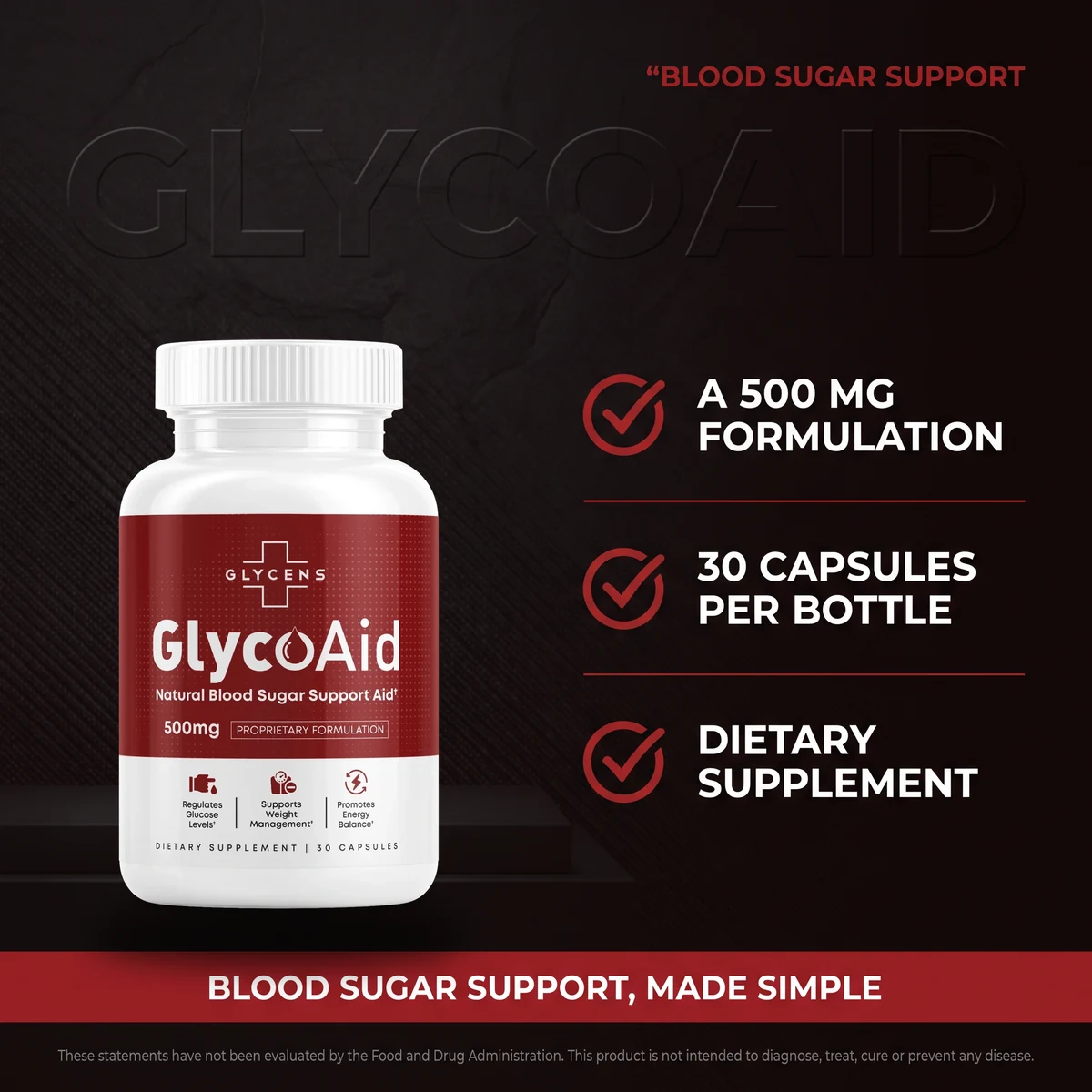
Why is choosing a blood sugar supplement so confusing?
Choosing a blood sugar supplement is confusing because the category is crowded, lightly regulated and heavy on marketing language that sounds scientific without saying much. Supplements are not reviewed by the Food and Drug Administration before sale, so the burden of judgment falls on you — the shopper. Two products can share the same hero ingredient and yet differ tenfold in dose, purity and honesty. The fix is not to trust louder claims; it is to ask better questions. The rest of this guide is those questions.
Check 1: Are the ingredients actually studied?
A studied ingredient is one with published human research behind its role in everyday metabolism — not just a story or a single lab dish. The first job when reading any label is to recognise which actives have that trail and which are filler riding along for the ingredient count. For the underlying research, see Asbaghi et al., Pharmacological Research 2020 — a systematic review and meta-analysis of chromium supplementation and glycemic control.
Which blood-sugar ingredients have a research trail?
A handful of nutrients turn up again and again in the wellness literature. Chromium is an essential trace mineral that contributes to normal macronutrient metabolism. Cinnamon, berberine, gymnema, banaba leaf and bitter melon each carry long traditional use and a growing body of study for metabolic wellness. None is a cure, and the strength of evidence varies by ingredient — berberine and cinnamon are better studied than others — but all sit inside a genuine conversation rather than outside it.
Is a longer ingredient list better?
No — a longer list is often worse. When a label crams in fifteen actives, each is usually present in a token “fairy dust” amount too small to do anything, so the crowd exists to impress rather than to work. A tighter formula built on a few well-chosen nutrients at sensible amounts beats a sprawling one nearly every time. For a deeper look at two of the headline actives, see our guide to berberine and cinnamon for blood sugar.
Check 2: Is the dose transparent?
Dose transparency means the Supplement Facts panel tells you how many milligrams of each active you actually get per serving. It is the single most useful thing on any label, because without it you cannot compare a product to the research or to its rivals — you are buying a sealed box. The evidence base for this point is set out in NIH Office of Dietary Supplements — Dietary Supplements: What You Need to Know, the federal consumer guide to reading and judging a supplement label.
What is a proprietary blend, and is it a problem?
A proprietary blend is a group of ingredients listed under one total weight, with no breakdown of how much of each is inside. It is not automatically sinister — it can protect a genuine recipe — but it hides the numbers that matter, so a blend that names its ingredients and its total, and keeps that total sensible, is easier to trust than one that lists a long blend under a tiny milligram figure. When you compare products, always look for the disclosed amounts first.
| Checklist item | What good looks like | Red flag to pause on |
|---|---|---|
| Ingredients | Studied nutrients with a research trail; a focused list | Unknown “miracle” actives; fifteen sprinkles |
| Dose | Per-ingredient amounts disclosed; sensible blend total | Everything hidden under one tiny proprietary figure |
| Manufacturing | GMP-registered facility; made in the USA; testing noted | No facility, country or testing information anywhere |
| Guarantee | Clear multi-week refund window and returns process | “All sales final” or no guarantee mentioned |
| Claims | Supports everyday wellness; cites where evidence is limited | Promises to cure, treat or replace medication |
See the exact dose in GlycoAid →
Check 3: Where and how is it made?
Good manufacturing means the product is made in a facility that follows Good Manufacturing Practices (GMP) — documented, inspected standards for cleanliness, identity and consistency — ideally on home soil where oversight is easier to verify. A supplement can have a flawless ingredient list and still disappoint if what is in the bottle does not match what is on the label. This is documented in NIH NCCIH — Using Dietary Supplements Wisely, the federal guidance on choosing and using supplements.
What signals clean manufacturing on a label?
Look for the phrases and badges that carry weight: GMP-registered facility, made in the USA, non-GMO, and any mention of third-party or independent testing. Certifications such as gluten-free, dairy-free and vegetarian tell you about suitability rather than potency, but together the set signals a company that has done the paperwork. A brand that is silent on where and how a product is made is asking for a leap of faith you do not have to take.

Check 4: Is the guarantee real?
A real guarantee is a written, time-boxed promise that you can return the product for a refund if it does not suit you, with a process you can actually follow. It matters for two reasons: it caps your financial risk, and it reveals how confident the seller is that you will want to stay. A company expecting repeat customers protects the first purchase; one chasing a quick sale rarely bothers.
How long should a guarantee be?
Because botanicals build their support gradually, a guarantee measured in a handful of days is barely long enough to open the bottle. A window of several weeks to a couple of months gives a fair trial and lets you judge how the routine fits your day. Read the fine print, too — the strongest guarantees refund even opened bottles and spell out exactly where to send them.
How does GlycoAid score against the checklist?
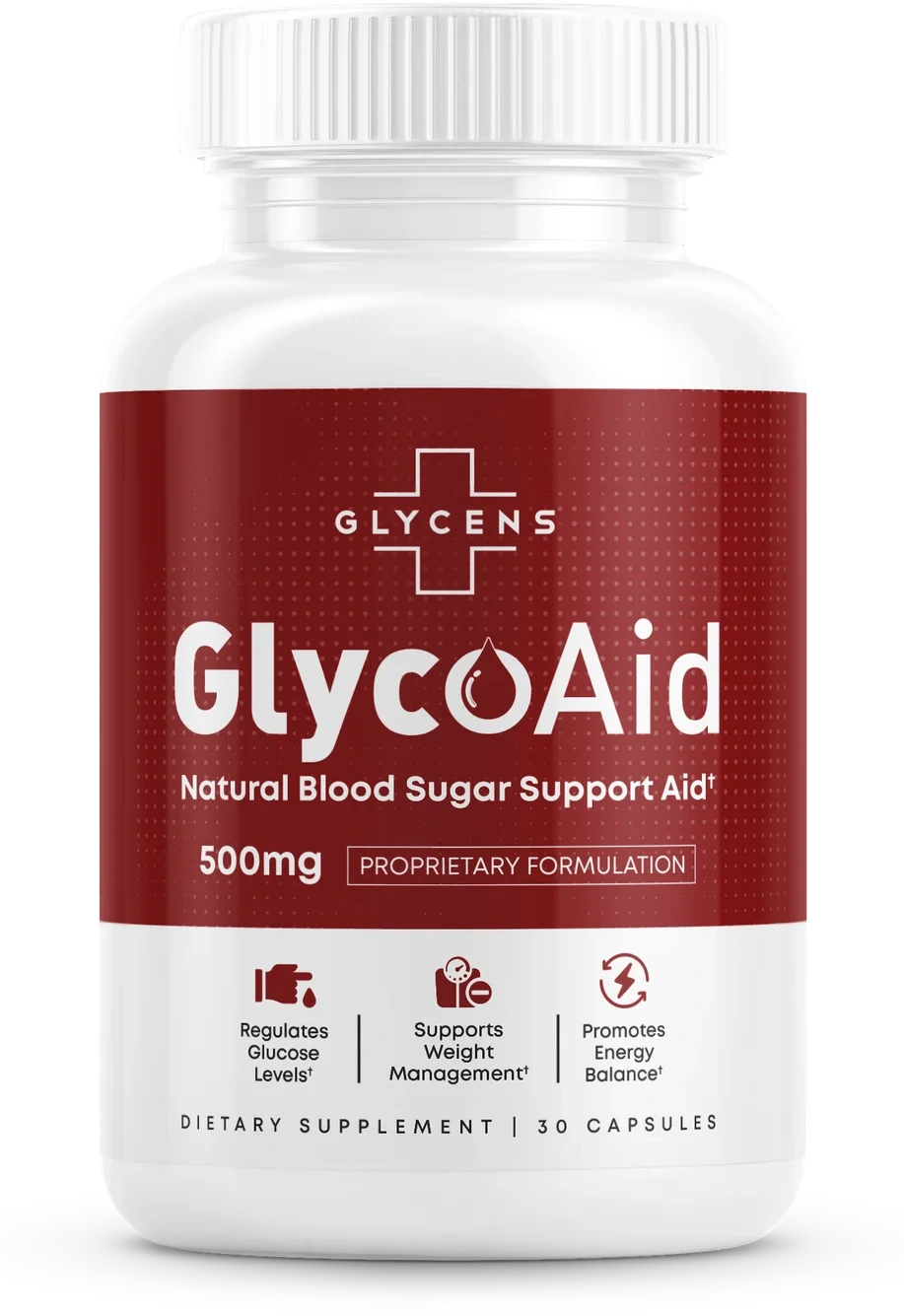
Scoring GlycoAid against the four checks is the honest test of whether this guide is more than theory. GlycoAid is a once-daily capsule built on chromium plus a 500 mg botanical blend of cinnamon, berberine, banaba, gymnema and bitter melon — and here is how it lands on each item, with no rounding up.
| Checklist item | How GlycoAid measures up |
|---|---|
| Studied ingredients | Built on chromium and five researched botanicals rather than novelty actives; a focused, recognisable list. |
| Dose transparency | Discloses its formulation as chromium plus a 500 mg botanical blend; see the Supplement Facts panel for the breakdown. |
| Manufacturing | Made in the USA in a GMP-registered facility; labelled non-GMO, gluten-free and vegetarian. |
| Guarantee | Backed by a 60-day money-back guarantee with free U.S. shipping on multi-bottle bundles. |
| Honest claims | Positioned as everyday blood-sugar support, not a treatment; states plainly it is not a substitute for medical care. |
The takeaway is not that GlycoAid is the only product that can pass — it is that any supplement you consider should clear the same bar before it earns your money. Run the checklist on the next bottle you see and the differences become obvious fast. For the full picture, read our complete GlycoAid review.
Meets every check on the list
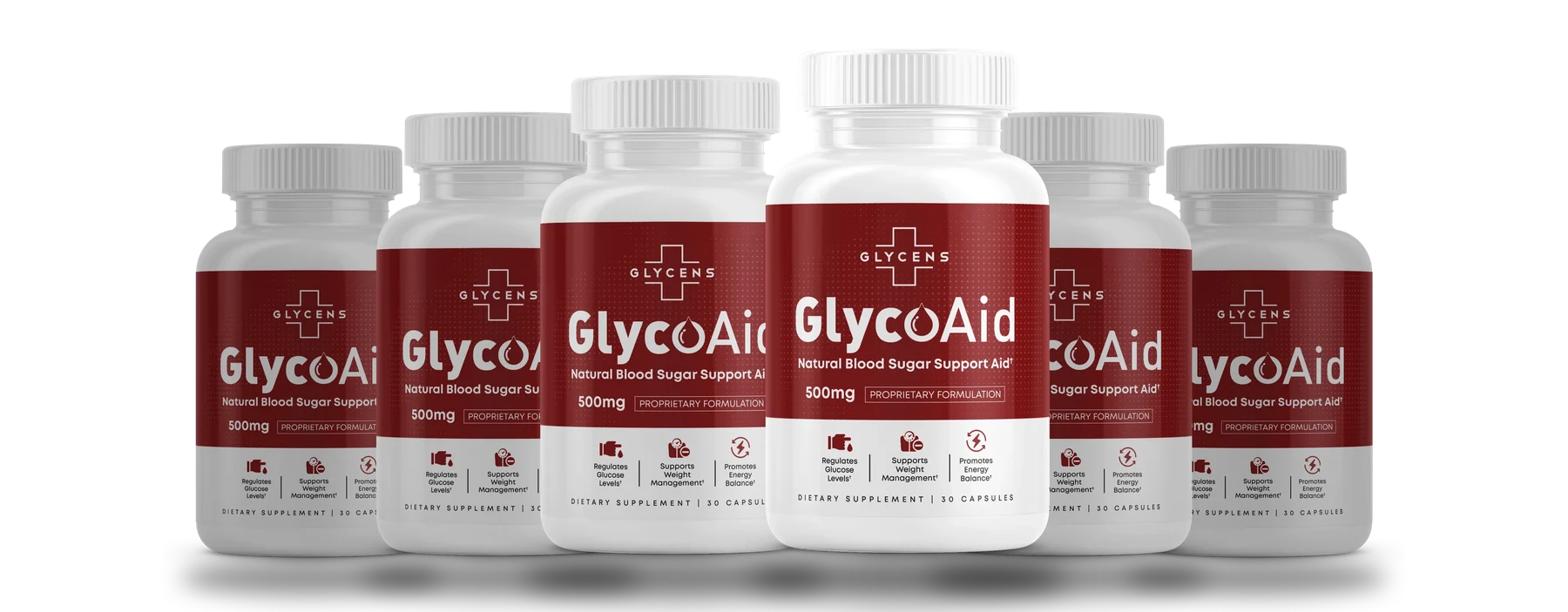
GlycoAid pairs chromium with a 500 mg botanical blend, is made in the USA in a GMP-registered facility, and is backed by a 60-day guarantee. The six-bottle bundle is the best value at $49 per bottle with free U.S. shipping.
Check today's GlycoAid pricing — from $49/bottleHow do you compare two supplements side by side?
The fastest way to compare two blood sugar supplements is to lay the same four checks next to each other and let the gaps speak. Rather than weighing which brand shouts louder, you fill in a small grid and choose the one with fewer blanks and red flags. Here is the method as a worked template you can copy for any pair.
| Question to ask | Product A | Product B |
|---|---|---|
| Are the actives studied and focused? | Yes / No | Yes / No |
| Are per-ingredient doses disclosed? | Yes / No | Yes / No |
| GMP-registered, made in a known country? | Yes / No | Yes / No |
| Guarantee length and clarity? | Days / weeks | Days / weeks |
| Cost per bottle at your preferred supply? | $ | $ |
When you fill this in for real, price usually stops being the deciding factor — a cheaper bottle that hides its doses or offers no guarantee is not the bargain it looks like. Compare the packages and pricing on the homepage, or read how format affects value in capsules vs powders for blood sugar.
When should you talk to a doctor first?
A blood sugar supplement is meant to support a healthy range, not to manage a diagnosed condition, so some situations call for a professional before you buy anything. Speak with your doctor if you are pregnant or nursing, under 18, take any medication — especially glucose-lowering medicine — have a diagnosed condition, or notice persistent symptoms such as excessive thirst, frequent urination, unexplained weight change or ongoing fatigue. A short conversation makes sure anything you add fits safely alongside your care.
Frequently asked questions
How do I choose a blood sugar supplement?
Check four things: whether the ingredients are actually studied, whether the label discloses each dose instead of hiding behind a blanket proprietary blend, whether it is made in a GMP-registered facility, and whether it carries a real money-back guarantee. A product that passes all four is worth a closer look; one that fails any is worth a pause.
What is the most important thing to look for on the label?
Dose transparency. The Supplement Facts panel should let you see how much of each active ingredient you are getting. If a formula lists only a total blend weight with no per-ingredient amounts, you cannot compare it to the research or to any other product.
Are more ingredients always better in a blood sugar supplement?
No. A long list can mean each ingredient is present in a token amount too small to matter. A shorter formula built around well-studied nutrients at sensible doses is usually more useful than a crowded label of sprinkles.
Does a money-back guarantee actually matter?
Yes, for two reasons. It lowers your financial risk if the product does not suit you, and it signals that the seller expects you to stay a customer rather than disappear after one sale. Look for a guarantee measured in weeks or months, with a clear refund process.
How does GlycoAid measure up to the checklist?
GlycoAid is built on studied ingredients - chromium plus a 500 mg botanical blend of cinnamon, berberine, banaba, gymnema and bitter melon - discloses its formulation, is made in the USA in a GMP-registered facility, and is backed by a 60-day money-back guarantee. It is a support to diet and activity, not a treatment for any disease.
Can a supplement replace diet, exercise or medication?
No. A blood sugar supplement is meant to support habits that do the heavy lifting - food, movement and sleep - and it is never a substitute for prescribed medication. If you take glucose-lowering medicine or have a diagnosed condition, talk to your doctor before adding anything.
Put GlycoAid to the checklist — try it risk-free for 60 days →
GlycoAid is a dietary supplement, not a treatment for any medical condition. These statements have not been evaluated by the Food and Drug Administration. This product is not intended to diagnose, treat, cure or prevent any disease. Always consult a qualified healthcare professional about your individual needs.
References & further reading
- National Institutes of Health, Office of Dietary Supplements. Dietary Supplements: What You Need to Know. ods.od.nih.gov/factsheets/WYNTK-Consumer
- National Institutes of Health, Office of Dietary Supplements. Chromium — Fact Sheet for Health Professionals. ods.od.nih.gov/factsheets/Chromium-HealthProfessional
- National Center for Complementary and Integrative Health (NCCIH). Using Dietary Supplements Wisely. nccih.nih.gov/health/using-dietary-supplements-wisely
- National Center for Complementary and Integrative Health (NCCIH). Diabetes and Dietary Supplements. nccih.nih.gov/health/diabetes-and-dietary-supplements
- Mayo Clinic. Dietary supplements: Do they help or hurt? mayoclinic.org/.../supplements/art-20044894
- Examine.com. Berberine — evidence-based summary. examine.com/supplements/berberine
These references describe the ingredients and habits in general terms and do not constitute evidence that any product treats, cures or prevents any condition.
Keep reading: how to support healthy blood sugar naturally · berberine vs chromium compared · back to the GlycoAid blog · homepage.