What to look for in the best blood sugar supplement: the GlycoAid checklist

Updated September 2026 · reviewed by the GlycoAid Research Team. We are an independent information resource, not a medical provider, and this article is educational rather than medical advice.
The best blood sugar supplement is not the one with the loudest claim — it is the one that proves its quality: made in a GMP-certified, FDA-registered facility, non-GMO with a clean label, honestly dosed, and backed by a real money-back guarantee. This checklist walks through the markers that matter when you compare blood sugar capsules, using GlycoAid as a worked example.
How to judge a blood sugar capsule before you buy.
- The honest answer
- No supplement treats or cures anything, so the differences that matter are quality and transparency, not miracle promises. Judge a blood sugar capsule on how it is made, labelled and guaranteed.
- Manufacturing
- Insist on a GMP-certified, FDA-registered facility — the baseline that makes the label trustworthy.
- Clean label
- Non-GMO, free of needless fillers and dyes, with active ingredients and doses clearly stated.
- Risk-free trial
- A 60-day money-back guarantee lets you run a full routine, since botanicals build their support gradually.
On any marketplace the promises blur together, so the real decision comes down to what a good maker can prove and a poor one glosses over. Below is the checklist our team uses, with GlycoAid held up against each item.
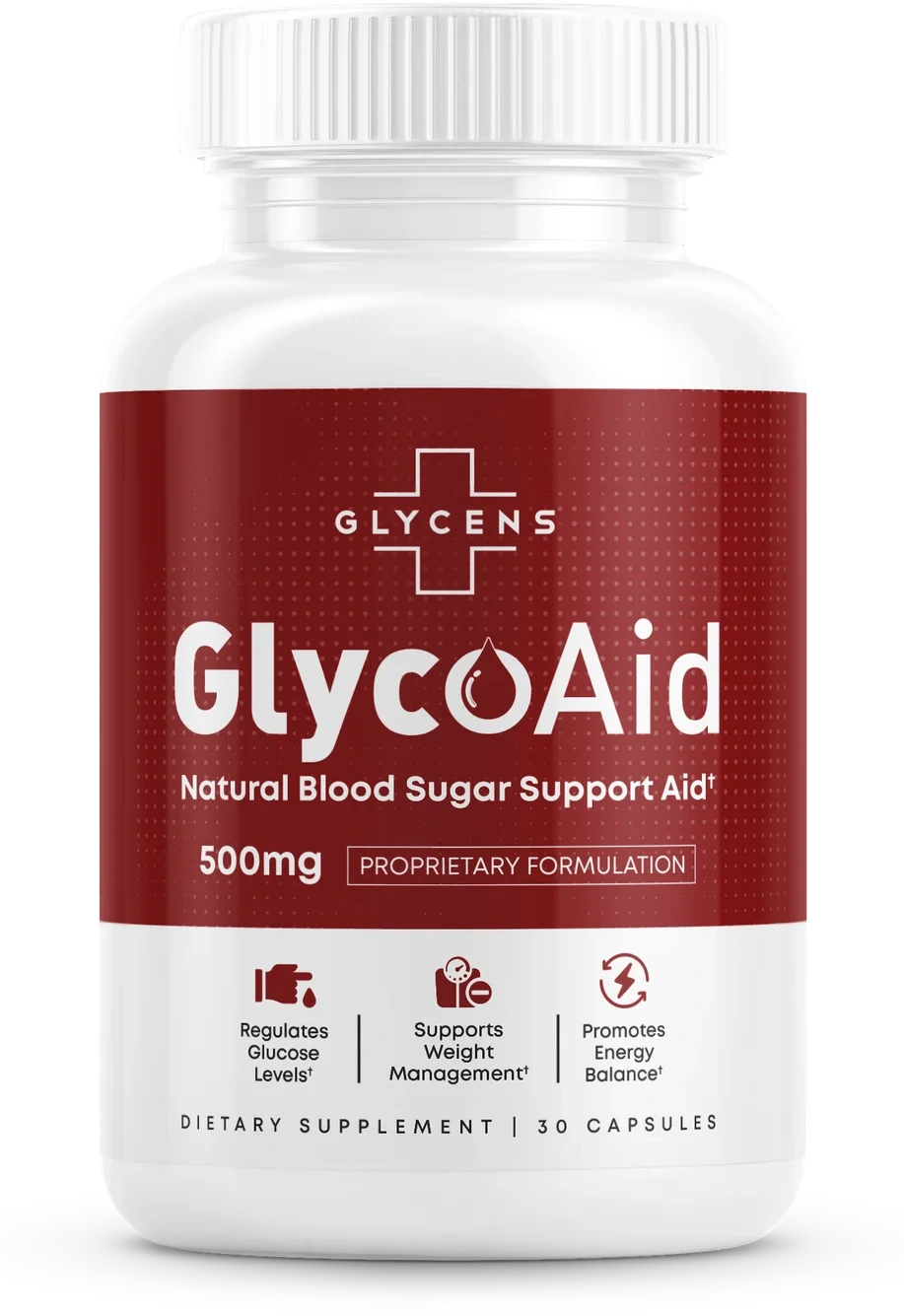
What makes the best blood sugar supplement?
The best blood sugar supplement is a well-made, transparently labelled capsule from a reputable facility that supports a healthy diet and activity routine — not one that promises to replace it. Because supplements are not medicines and cannot legally claim to treat disease, the meaningful differences are practical: how they are manufactured, whether the label tells the truth, what is in each dose, and what happens if the product does not suit you. Get those four right and you have filtered out most of the market. For the underlying research, see Asbaghi et al., Pharmacological Research 2020 — a systematic review and meta-analysis of chromium supplementation and glycemic control.
Why does manufacturing quality (GMP) matter?
Good Manufacturing Practice, or GMP, is a set of enforced standards for how a supplement is produced, tested and documented, so that what appears on the label is far more likely to be what is inside the bottle. It is the single most important trust marker on this list, because every other claim — the dose, the purity, the ingredient identity — depends on the factory doing its job consistently. The evidence base for this point is set out in FDA — Current Good Manufacturing Practices for Dietary Supplements, the federal rule that defines what a GMP claim actually covers.
What certifications should you actually see?
Look for two phrases together: GMP-certified and manufactured in an FDA-registered facility. GMP certification means an outside standard governs the process; FDA registration means the facility is inspectable by regulators. Neither proves the product works, but together they raise the floor on quality. “Made in the USA” is a helpful bonus that often travels with tighter oversight.
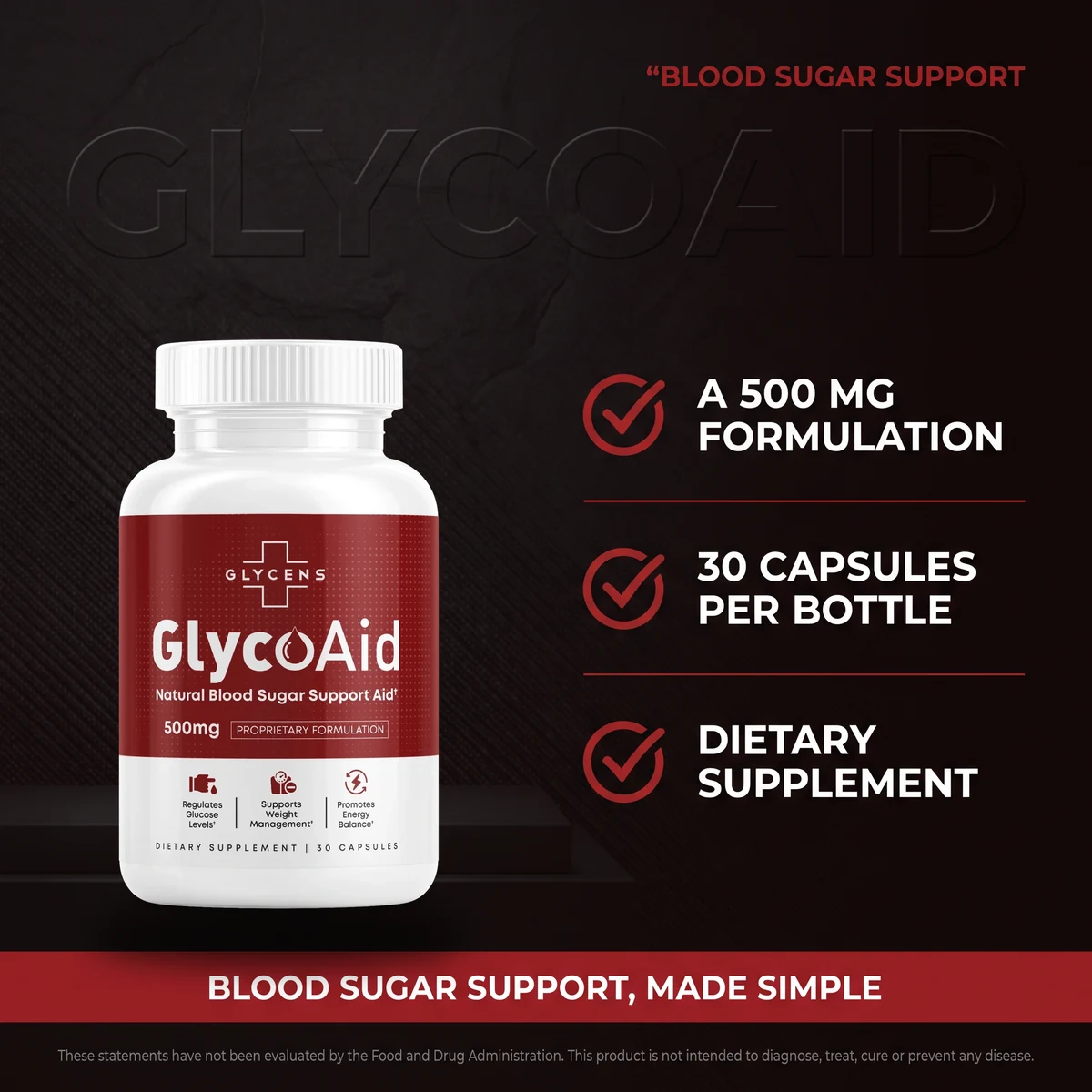
What does “non-GMO and clean label” actually mean?
A clean label lists its active ingredients clearly and leaves out what does not need to be there — artificial colours, unnecessary fillers and cheap bulking agents — while non-GMO means those ingredients are not derived from genetically modified organisms. Neither term is tightly regulated, so the value is in what they signal: a maker that chose transparency over the lowest possible cost. A short, readable ingredient list usually beats a long one padded with additives you cannot pronounce.
Which extras are fine, and which are red flags?
Some “other ingredients” are perfectly normal: a vegetarian capsule shell, rice flour, or a small flow agent. What deserves a second look is a formula heavy on artificial dyes, sweeteners and synthetic fillers, especially when they crowd out the actives. Gluten-free, dairy-free and vegetarian marks are useful if they match your needs, but they are suitability markers, not proof of effectiveness. On why the format matters, see blood sugar capsules versus powders.
How do you read the label like a pro?
Reading a supplement label well means going straight to the Supplement Facts panel and asking one question: can I see how much of each active ingredient I am getting? Honesty about dosing is where good products separate themselves. This is documented in NIH Office of Dietary Supplements — Dietary Supplements: What You Need to Know, the federal consumer guide to reading and judging a supplement label.
Does the product state its doses?
The strongest labels list the milligram amount of each active, or at minimum the total weight of a named blend. GlycoAid, for example, states a 500 mg botanical blend alongside chromium, so you know the scale of what you are taking. A label that lists impressive-sounding ingredients with no amounts leaves you guessing.
What is a proprietary blend, and is it bad?
A proprietary blend groups several ingredients under one total weight without breaking down each one, which lets a company protect a recipe but can also hide how little of the expensive actives it uses. A blend is not automatically bad — many reputable formulas use them — but the more the label tells you, the more you can trust it. Our guides to chromium for blood sugar and berberine and cinnamon explain what the common actives are generally studied for.
| Quality marker | What to look for | Why it matters |
|---|---|---|
| Manufacturing | GMP-certified, FDA-registered facility | The foundation every other claim rests on. |
| Sourcing | Non-GMO, made in the USA | Quality-first sourcing and inspectable oversight. |
| Clean label | No needless fillers or dyes; readable list | Prioritises the actives over cheap bulk. |
| Dose transparency | Stated amounts or total blend weight | Lets you judge value and compare honestly. |
| Guarantee | 60-day, no-questions money-back policy | Removes financial risk; the brand stands behind it. |
| Honest claims | “Support” language, not cure claims | A lawful label signals a trustworthy brand. |
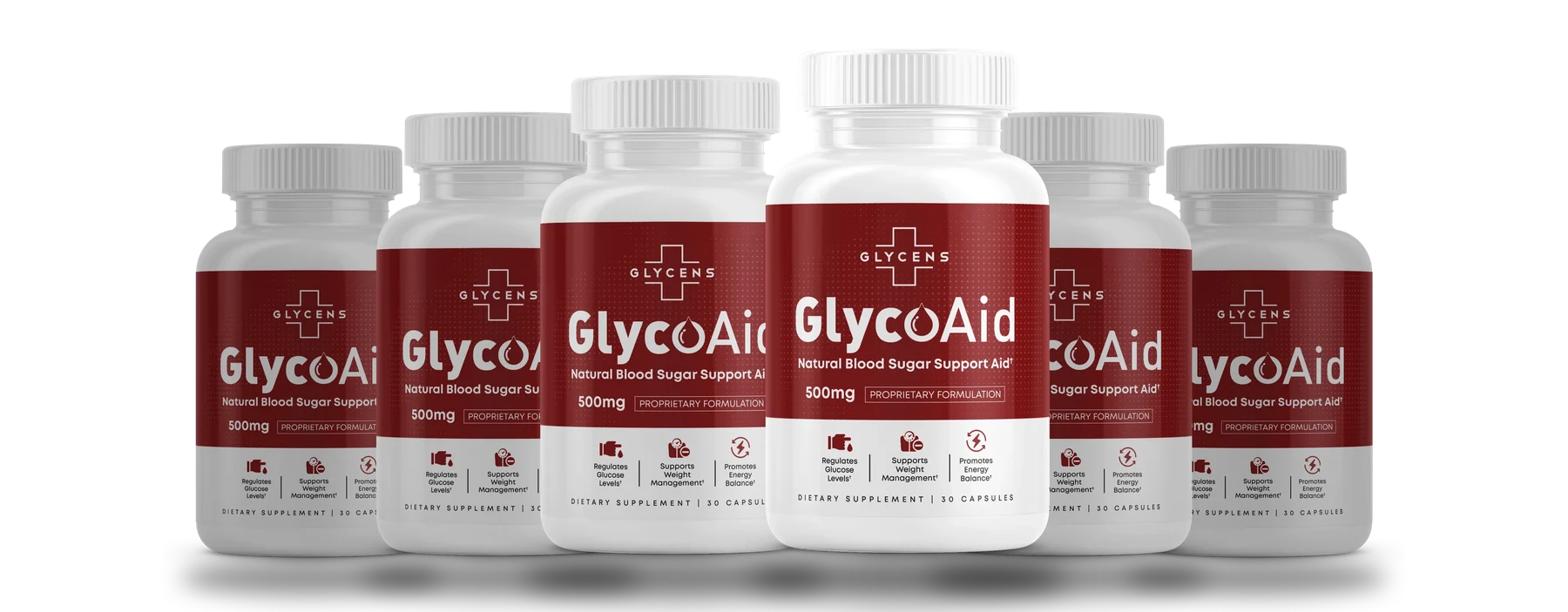
See the exact dose in GlycoAid
GlycoAid pairs chromium with a stated 500 mg botanical blend in a once-daily, non-GMO capsule — the transparent dosing this checklist asks for. The six-bottle bundle is the best value at $49 per bottle, with free U.S. shipping and a 60-day guarantee.
Check today's GlycoAid pricing — from $49/bottleDoes a money-back guarantee matter?
A money-back guarantee is one of the most practical markers of a trustworthy blood sugar capsule, because it shifts the risk from you to the company. Botanicals build their support gradually over weeks, so you need a month or two to judge whether a formula fits. A 14-day window barely covers a first bottle; a 60-day, no-questions guarantee gives you room to run a real routine.
Read the fine print, though — a guarantee is only as good as its terms. Check whether it covers opened bottles and who pays return shipping. A generous policy with clear terms beats a longer window buried in conditions.
How does GlycoAid measure up to the checklist?
GlycoAid is a useful worked example because it was built around exactly these markers rather than a bold health claim. It is a once-daily capsule for everyday blood sugar support — not a treatment for any condition. The table below runs it against each checklist item.

| Checklist item | GlycoAid |
|---|---|
| GMP-certified, FDA-registered facility | Yes — manufactured to GMP standards in an FDA-registered U.S. facility. |
| Non-GMO & made in the USA | Yes — non-GMO and produced in the United States. |
| Clean, suitable label | Vegetarian, gluten-free and dairy-free capsule with a readable ingredient list. |
| Transparent dosing | Chromium plus a stated 500 mg botanical blend (cinnamon, berberine, banaba, gymnema, bitter melon). |
| Money-back guarantee | 60-day money-back guarantee; multi-bottle bundles from $49/bottle with free U.S. shipping. |
| Honest, lawful claims | Marketed as everyday blood sugar support, not as a treatment or cure. |
None of this proves GlycoAid will suit any particular person — results vary, and no supplement is a substitute for diet, activity and medical care. What it shows is a formula that answers each question this checklist asks. For the full breakdown, read how the GlycoAid blend works or the ingredients section.
What questions should you ask before buying?
Before you check out, run a product past five quick questions. If it cannot answer them clearly, that itself is your answer.
- Where and how is it made? A GMP-certified, FDA-registered facility should be stated plainly.
- Can I see the doses? Milligram amounts or a stated blend weight, not a vague list.
- Is the label clean and suitable for me? Non-GMO, minimal fillers, any dietary markers you need.
- What is the guarantee? Prefer 60 days with clear, generous terms.
- Does it stay honest? Support language and real disclosures, no cure claims.
When should you talk to a doctor?
A blood sugar supplement is for supporting glucose already within a normal range, and it is not a replacement for medical care. Speak with your doctor before starting any new capsule if you are pregnant or nursing, under 18, take any medication — especially glucose-lowering medicine — have a diagnosed condition, or notice persistent symptoms such as excessive thirst, frequent urination or unexplained weight change. A short conversation makes sure anything you add fits safely with your care.
Frequently asked questions
What should I look for in the best blood sugar supplement?
Look for four things above all: manufacturing in a GMP-certified, FDA-registered facility, a non-GMO clean label without needless fillers, transparent dosing so you can see what each capsule contains, and a genuine money-back guarantee.
Does GMP certification actually matter for a capsule?
Yes. GMP certification means an independent standard governs how the product is made, tested and documented, so the label is more likely to match the bottle. It does not prove a product works, but it is a baseline of quality worth insisting on.
What does non-GMO and clean label mean on a supplement?
Non-GMO means the ingredients are not from genetically modified organisms. A clean label avoids unnecessary dyes, fillers and binders and lists its actives clearly. Together they signal a maker that prioritises transparency over cutting costs.
Is a money-back guarantee important when buying a blood sugar capsule?
Yes. Botanicals build their support gradually, so you need weeks to judge a formula. A 60-day refund policy lets you try a full routine without financial risk and shows the company stands behind its product.
How can I tell if a supplement is honestly dosed?
Read the Supplement Facts panel. Honest products state the amount of each active, or at least the total blend weight, rather than hiding everything behind a vague proprietary blend. Disease or cure claims are a red flag, not a selling point.
Does GlycoAid meet this quality checklist?
GlycoAid is made in the USA in a GMP-certified, FDA-registered facility, is non-GMO and vegetarian, pairs chromium with a stated 500 mg botanical blend, and is backed by a 60-day money-back guarantee. It is a supplement for everyday blood sugar support, not a treatment for any disease.
See the exact dose in GlycoAid — view the label →
GlycoAid is a dietary supplement, not a treatment for any medical condition. These statements have not been evaluated by the Food and Drug Administration. This product is not intended to diagnose, treat, cure or prevent any disease. Always consult a qualified healthcare professional about your individual needs.
References & further reading
- U.S. Food & Drug Administration. Current Good Manufacturing Practices (CGMPs) for Dietary Supplements. fda.gov/food/dietary-supplements/current-good-manufacturing-practices-cgmps-dietary-supplements
- National Institutes of Health, Office of Dietary Supplements. Dietary Supplements: What You Need to Know. ods.od.nih.gov/factsheets/WYNTK-Consumer
- National Center for Complementary and Integrative Health (NCCIH). Diabetes and Dietary Supplements. nccih.nih.gov/health/diabetes-and-dietary-supplements
- National Institutes of Health, Office of Dietary Supplements. Chromium — Fact Sheet for Health Professionals. ods.od.nih.gov/factsheets/Chromium-HealthProfessional
- Mayo Clinic. Dietary supplements: Do they help or hurt? mayoclinic.org/healthy-lifestyle/nutrition-and-healthy-eating/in-depth/supplements/art-20044894
- Examine.com. Berberine — evidence-based summary. examine.com/supplements/berberine
These references describe supplement quality standards and ingredients in general terms and do not constitute evidence that any product treats, cures or prevents any condition.
Keep reading: the full GlycoAid review · capsules vs powders · the GlycoAid blog.