Blood sugar capsules vs powders: the GlycoAid format guide

Updated September 2026 · reviewed by the GlycoAid Research Team. We are an independent information resource, not a medical provider, and this article is educational rather than medical advice.
Blood sugar capsules vs powders comes down to one honest question: which format will you actually take every single day? Capsules give you a fixed, pre-measured dose you can swallow anywhere with no taste and no mixing, while powders let you adjust the amount but ask for a scoop, a drink and a flavour you may or may not enjoy. The ingredients matter more than the format — but the format decides whether the ingredients ever make it into you.
Capsules vs powders for daily blood sugar support, briefly.
- The short version
- Neither format is “stronger.” The right one is the one you can take consistently for months without it becoming a chore.
- Why capsules usually win
- Pre-dosed, tasteless and pocketable — no scoop, no drink to mix, nothing to skip on a busy morning.
- Where powders shine
- Flexible dosing and easy swallowing, which suits people who dislike pills or want large gram-scale servings.
- How GlycoAid fits
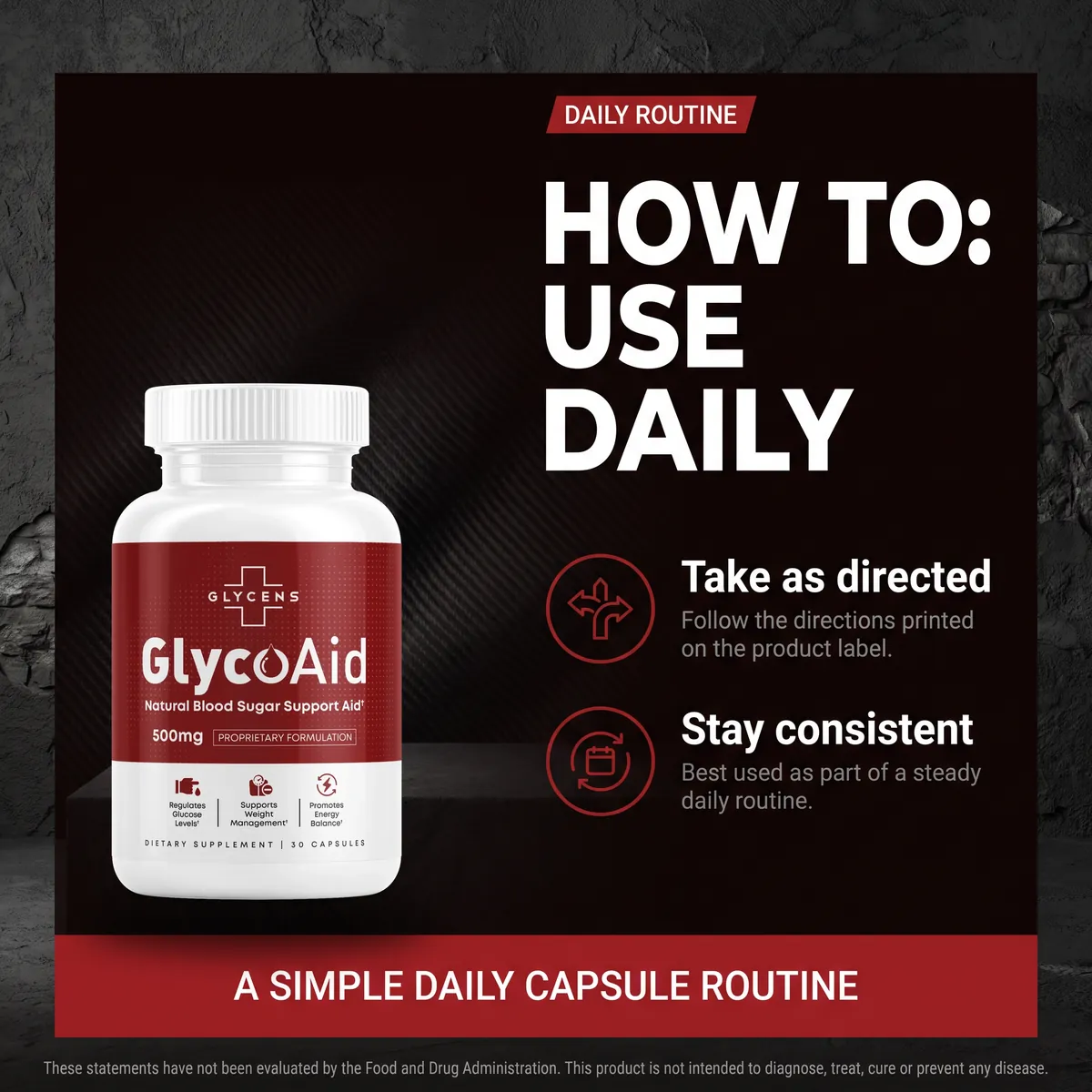
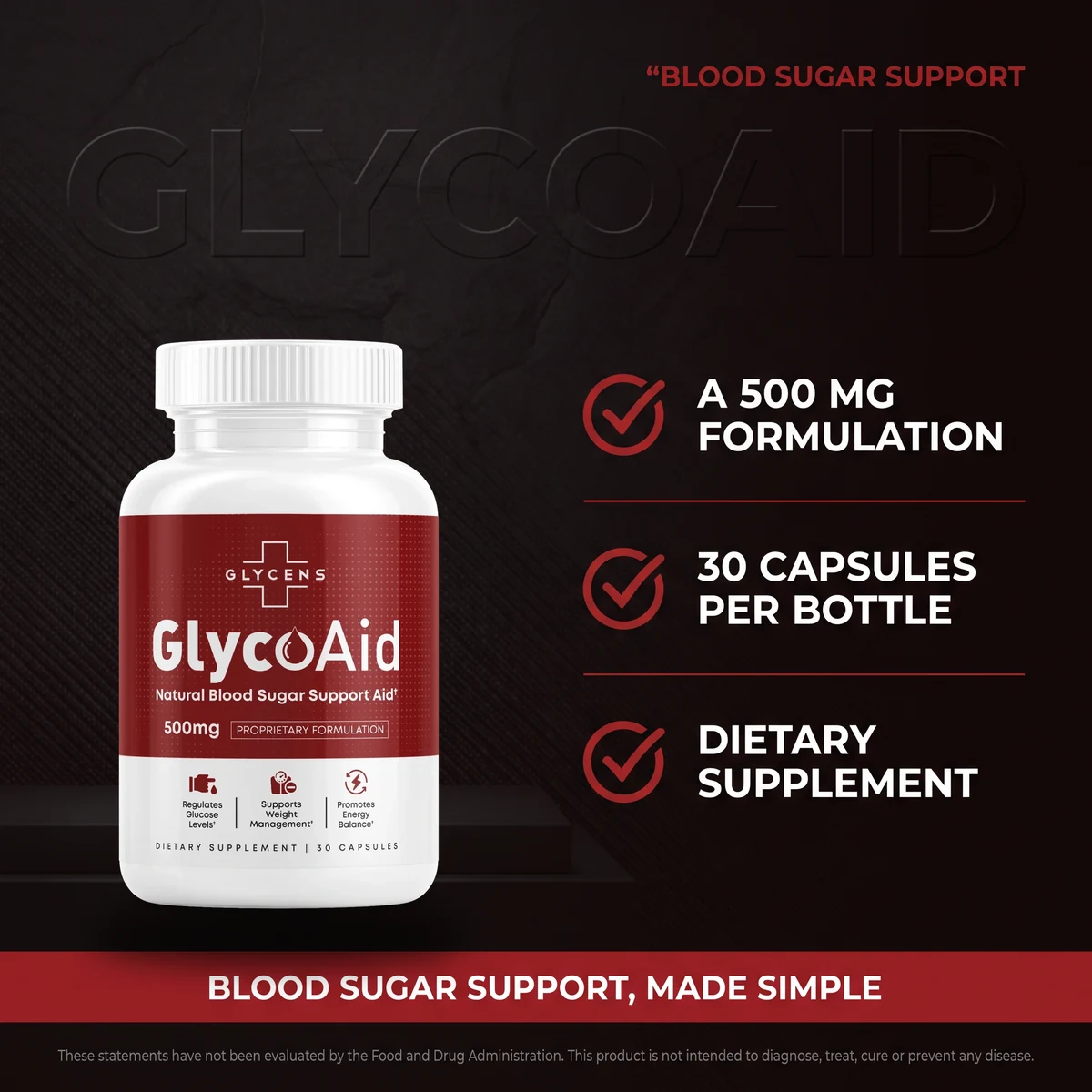
- A once-daily capsule — chromium plus a 500 mg botanical blend — built for the “take it and forget it” end.
Walk down any supplement aisle and the same ingredients — chromium, cinnamon, berberine, gymnema — show up in two very different packages: capsules you swallow and powders you mix. The useful question is not which is better but which one fits your life. Below we compare the formats on dose, taste, speed, cost and, above all, daily adherence, then show where a one-capsule formula like GlycoAid lands.
What is the real difference between blood sugar capsules and powders?
The difference between a capsule and a powder is packaging, not magic: a capsule is a pre-measured dose sealed inside a swallowable shell, while a powder is the same ingredient left loose so you scoop and mix it yourself. Both can carry identical actives — a gram of a botanical extract is the same gram in a capsule or a scoop. What changes is everything around the dose: how you measure it, how it tastes, how portable it is, and how likely you are to reach for it tomorrow. That experience, not the molecule, is where most results are won or lost.
Why does supplement format matter for daily adherence?
Format matters because a supplement only works if you take it, and adherence — the plain habit of not skipping — is the biggest predictor of whether any daily routine pays off. Blood-sugar botanicals build their support gradually over weeks, so the person who takes a simpler product every day usually does better than the person with a “better” product they forget three times a week. Every small friction — a scoop to rinse, a taste to brace for, a tub too big for a handbag — is a reason to skip, and skips add up. For the underlying research, see Hauber et al., Patient Preference and Adherence 2024 — a scoping review of patient acceptability and preferences for solid oral dosage forms.
Do you really take powders as reliably as capsules?
For most people, no. A capsule is a one-second action: pop it from the bottle, swallow with water, done — at a desk, in a car park or mid-commute. A powder needs a glass, a liquid, a stir and often a sink afterwards, which tethers it to being at home near a kitchen. Each of those steps is a moment where a busy or tired person decides “later,” and later becomes never. That is why capsules tend to win the long game of consistency even when a powder is perfectly good.
How much does taste affect whether you stick with it?
Taste is the most underrated reason people quit powders. Many blood-sugar botanicals — bitter melon and gymnema especially — are genuinely bitter, and masking flavour rarely hides them fully. A capsule bypasses your palate entirely: the shell only opens once it is past your tongue, so bitterness never registers. If you have ever found a healthy-sounding tub still three-quarters full months later, the flavour is usually the culprit.
Which format is more accurate on dose?
Capsules are the more accurate everyday format because the dose is measured once, at the factory, and never again by you. Every capsule holds the same pre-weighed amount, so there is no drift between servings. A powder's accuracy depends on your scoop technique: a heaped versus a level spoon can swing the real dose by a surprising margin. Powders trade that precision for flexibility — useful if you want to titrate a large gram-scale serving, but a liability if you just want the same reliable amount daily.
| Dosing factor | Capsules | Powders |
|---|---|---|
| Dose per serving | Fixed & pre-measured | Depends on your scoop |
| Serving-to-serving consistency | Very high | Variable |
| Ability to fine-tune the amount | Limited | Flexible |
| Risk of over- or under-scooping | None | Real |
| Equipment needed | Just water | Scoop, glass, liquid |
See the exact dose in GlycoAid →
What are the pros and cons of each format?
Every format is a trade-off, so the fair way to choose is to weigh what each does well against what it asks of you. Capsules optimise for convenience, precision and taste-free simplicity; powders optimise for flexibility, easier swallowing and sometimes a lower cost per gram. The table below lays them side by side.
| Consideration | Capsules | Powders |
|---|---|---|
| Convenience & portability | Excellent — take anywhere | Lower — needs mixing |
| Taste | None — tasteless shell | Can be bitter or masked with sweeteners |
| Ease if you dislike pills | Harder for some | Easier to swallow |
| Dose flexibility | Fixed | Adjustable |
| Daily adherence | Tends to be higher | Tends to slip |
| Added ingredients | Minimal fillers | Often sweeteners, flavours, thickeners |
When is a powder the better choice?
A powder is the better choice when you genuinely struggle to swallow pills, when you want to adjust a large gram-scale dose to your own tolerance, or when you like folding a supplement into a morning smoothie you would drink anyway. For high-volume ingredients that will not fit into a reasonable number of capsules, a powder can be the only practical option. If that is you, choose an unsweetened one and be honest about whether you will keep mixing it.
When is a capsule the better choice?
A capsule is the better choice when convenience and consistency are your priorities, when the ingredients are bitter, when you travel or work away from a kitchen, or when the dose is small enough to seal into one or two capsules. For a blood-sugar blend measured in hundreds of milligrams rather than tens of grams, a capsule keeps the routine to one tasteless, pocketable step — the case most botanical formulas fall into.
Do powders absorb faster than capsules?
A dissolved powder can begin absorbing slightly sooner than a capsule because it reaches the stomach already in solution, but the head start is smaller than it sounds. A standard capsule shell — especially a plant-based one — opens within minutes of swallowing. For ingredients you take over weeks and months to build gentle, cumulative support, a few minutes at the start of digestion is not what determines your results; taking the dose every day is. Chasing marginal absorption speed optimises the wrong variable. The evidence base for this point is set out in NIH NCCIH — Using Dietary Supplements Wisely, the federal guidance on choosing and using supplements.
Where does GlycoAid fit in the capsule vs powder debate?
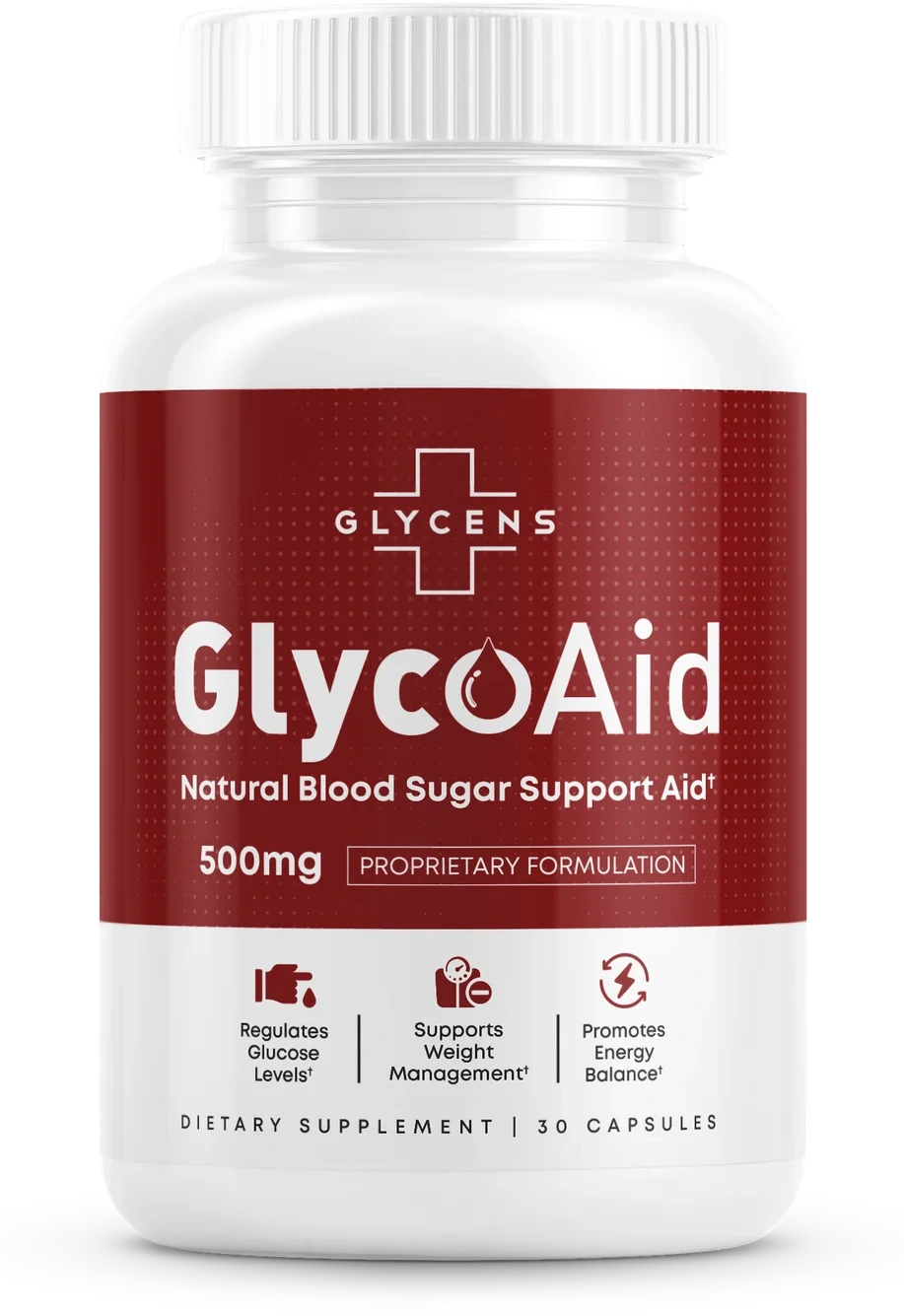
GlycoAid sits firmly at the convenience end of the spectrum: it is a once-daily capsule built so the supplement step of your routine is as close to frictionless as possible. Each capsule pairs chromium, an essential trace mineral that contributes to normal macronutrient metabolism, with a 500 mg botanical blend of cinnamon, berberine, banaba leaf, gymnema and bitter melon — several of them notably bitter and far more pleasant sealed inside a shell than stirred into a drink. There is nothing to scoop, mix or taste; you take one capsule with a meal and get on with your day. To see how two of those botanicals are studied, read our guide to berberine and cinnamon.
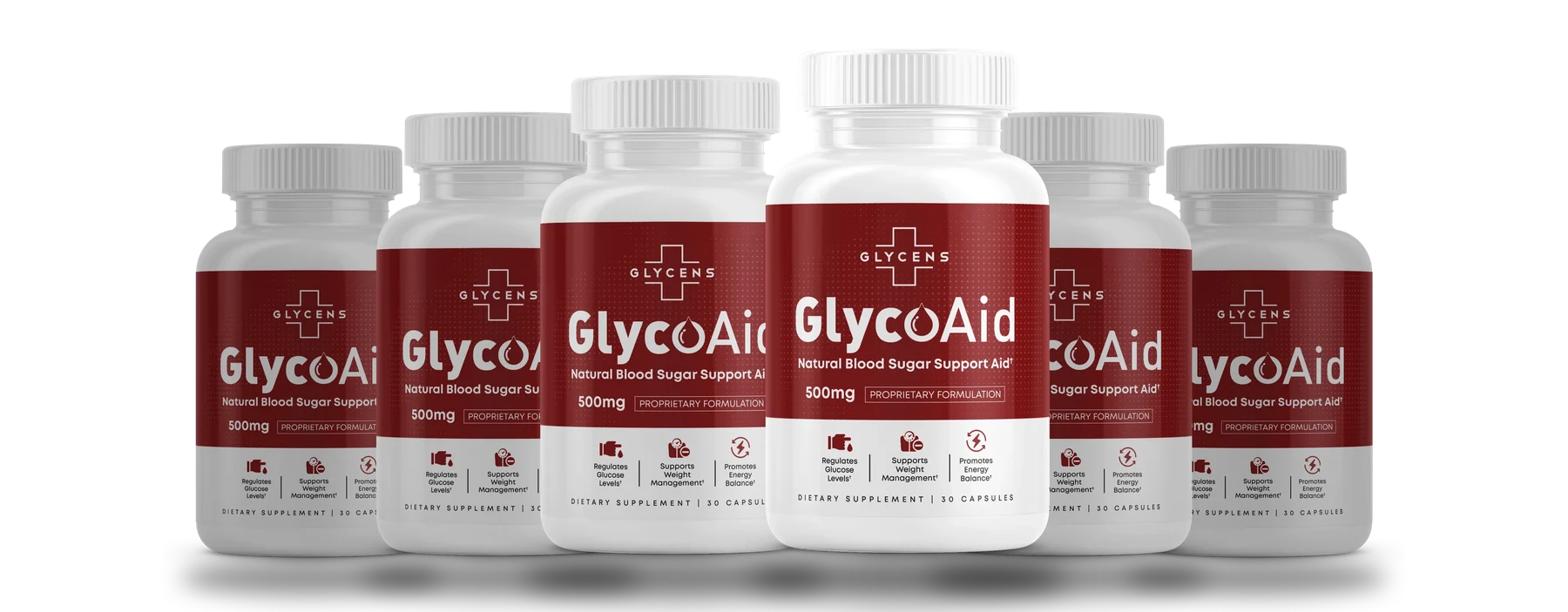
One capsule, no mixing, no taste
GlycoAid packs chromium and a 500 mg botanical blend into one daily capsule. The six-bottle bundle is the best value at $49 per bottle, with free shipping and a 60-day guarantee.
Check today's GlycoAid pricing — from $49/bottleHow do you choose the best supplement format for you?
The best format is the one whose small daily demands you will still meet in three months, so match the format to your habits rather than a marketing claim. The federal consumer guide to judging a supplement, NIH Office of Dietary Supplements — Dietary Supplements: What You Need to Know, frames the decision the same way. Run a short checklist before you buy:
- Can you swallow capsules comfortably? If yes, capsules remove almost every excuse to skip; if not, an unsweetened powder may serve you better.
- Are the ingredients bitter? Bitter botanicals are far easier to keep taking in a tasteless capsule than a mixed drink.
- Where will you take it? A desk, car or trip favours capsules; a settled kitchen routine can fit a powder.
- Do you need to adjust the dose? A powder gives room to titrate; a capsule guarantees the same amount daily.
- What is the true cost per daily dose? Compare equivalent doses, guarantee and shipping, not the sticker price of the tub or bottle.
For a small, bitter, milligram-scale blend taken once a day for months, that checklist points most people toward a capsule. Because botanicals build support gradually, most buyers pick a multi-month supply so they never run out mid-routine — compare the packages and pricing, or read the full natural blood sugar support guide for the habits a capsule slots into.
When should you talk to a doctor?
Choosing a supplement format is a convenience decision, not a medical one, and no format changes the basic safety guidance. Speak with your doctor before starting any blood-sugar supplement, capsule or powder, if you are pregnant or nursing, under 18, take any medication (especially glucose-lowering medicine), have a diagnosed condition, or notice persistent symptoms such as excessive thirst or unexplained weight change. A supplement supports a healthy diet and activity; it is never a treatment for any disease, and a quick conversation makes sure anything you add fits safely with your care.
Frequently asked questions
Are blood sugar capsules or powders more effective?
Neither format is inherently more effective; what matters is the ingredients, the dose, and whether you take it consistently. A capsule delivers a fixed, pre-measured dose you can swallow anywhere, while a powder lets you adjust the amount but needs mixing and even scooping. For most people the format they will actually take every day is the one that works best.
Why are capsules easier to take every day?
Capsules are pre-dosed, tasteless and portable, so there is no scoop to measure, no drink to mix and no flavour to tolerate. That removes the small daily frictions that cause people to skip a powder, which is why capsules tend to win on long-term adherence.
Do powders absorb faster than capsules?
A dissolved powder can reach the stomach already in solution, so it may begin absorbing slightly sooner, but a standard capsule shell opens within minutes. For daily wellness ingredients taken over weeks and months, this small timing difference rarely matters compared with taking the dose consistently.
Is GlycoAid a capsule or a powder?
GlycoAid is a once-daily capsule. Each capsule delivers chromium plus a 500 mg botanical blend of cinnamon, berberine, banaba leaf, gymnema and bitter melon, so there is nothing to scoop, mix or taste — you simply take one capsule with a meal.
Can I open a capsule and use it like a powder?
Many vegetarian capsules can be opened, but the contents are often bitter and the dose is designed to be swallowed whole for accuracy. Unless a product's label says it is fine to open, it is best to take the capsule as directed and ask a pharmacist if swallowing pills is difficult.
Which format is better value for money?
Value depends on the dose per serving, not the format. Powders can look cheaper per gram but often ask for larger scoops, while capsules bundle a measured dose per unit. Compare the cost of an equivalent daily dose, the guarantee and shipping rather than the sticker price of the tub or bottle.
Try GlycoAid's one-a-day capsule risk-free for 60 days →
GlycoAid is a dietary supplement, not a treatment for any medical condition. These statements have not been evaluated by the Food and Drug Administration. This product is not intended to diagnose, treat, cure or prevent any disease. Always consult a qualified healthcare professional about your individual needs.
References & further reading
- National Institutes of Health, Office of Dietary Supplements. Chromium — Fact Sheet for Health Professionals. ods.od.nih.gov/factsheets/Chromium-HealthProfessional
- National Center for Complementary and Integrative Health (NCCIH). Diabetes and Dietary Supplements. nccih.nih.gov/health/diabetes-and-dietary-supplements
- National Center for Complementary and Integrative Health (NCCIH). Using Dietary Supplements Wisely. nccih.nih.gov/health/using-dietary-supplements-wisely
- MedlinePlus, U.S. National Library of Medicine. Taking medicines — oral. medlineplus.gov/ency/patientinstructions/000842.htm
- Examine.com. Berberine — evidence-based summary. examine.com/supplements/berberine
These references describe supplement formats and ingredients in general terms and do not constitute evidence that any product treats, cures or prevents any condition.
Keep reading: supporting blood sugar naturally · berberine and cinnamon · the GlycoAid blog · the GlycoAid review.