How to lower blood sugar naturally: the GlycoAid daily-habit guide

Updated September 2026 · reviewed by the GlycoAid Research Team. We are an independent information resource, not a medical provider, and this article is educational rather than medical advice.
To lower blood sugar naturally means using everyday food, movement, sleep and stress habits — and, if you choose, well-studied nutrients like chromium and fibre-rich botanicals — to help keep glucose that is already within a normal range on steadier, lower ground. It is about consistency rather than extremes, and it works alongside, not instead of, the guidance of your doctor.
How to lower blood sugar naturally, in one place.
- The short answer
- Eat fibre and protein before the starchy part of a meal, walk for 10–15 minutes afterwards, sleep on a regular schedule, and cut back on sugary drinks.
- Fastest lever
- A post-meal walk. Working muscles pull glucose from the blood most eagerly in the hour after eating, so it softens a spike the same day.
- Do it at home
- Meal order, water instead of soda, whole foods over refined flour, and a consistent bedtime are all free.
- Where GlycoAid fits
- As one supporting piece — chromium plus a 500 mg botanical blend — on top of diet and activity, never a replacement for medical care.
If you have ever felt the mid-afternoon slump, you have felt blood sugar in motion. For most people the goal is simply steadier, lower ground after meals, and the levers with the most influence are the ordinary daily ones. This guide walks through them and shows where a botanical formula like GlycoAid plays a supporting role.
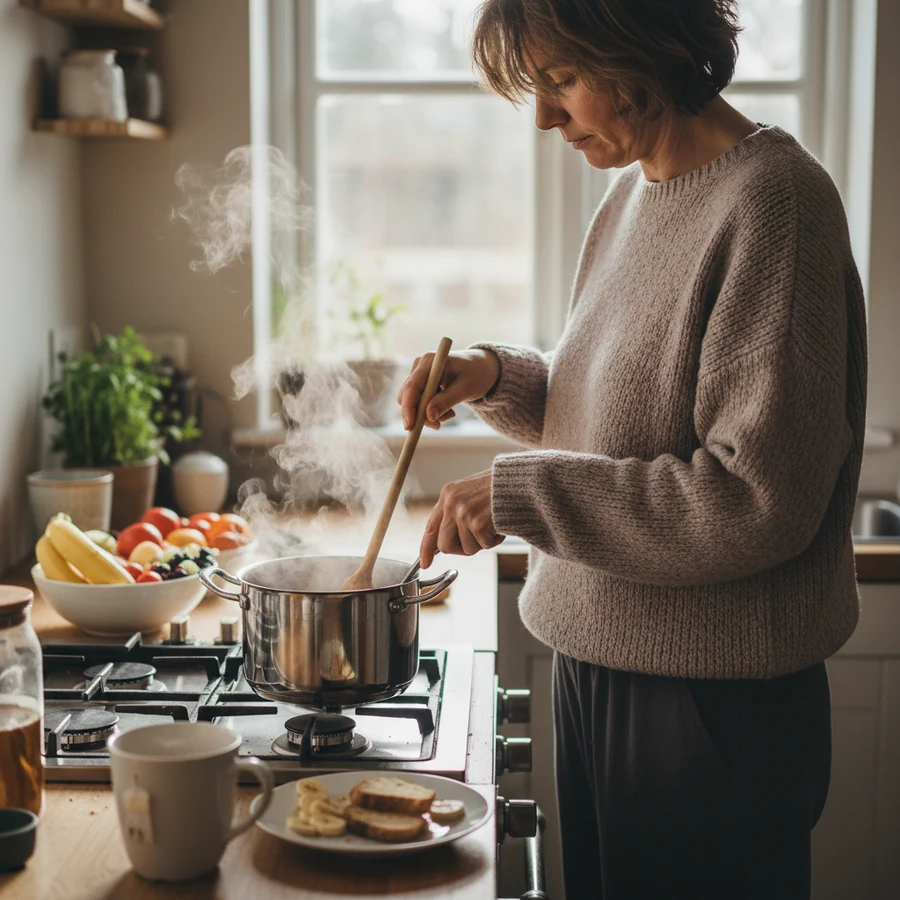
What does it mean to lower blood sugar naturally?
Lowering blood sugar naturally is the practice of using diet, activity, sleep and stress management to help your body move glucose out of the bloodstream and into your cells more smoothly. It is not a cure and not a treatment for diabetes — it is a set of small, repeatable choices that keep the after-meal peaks gentler and the daily average lower. Two ideas anchor everything below: consistency beats intensity, and these habits stack.
Why does blood sugar rise after meals?
Blood sugar is the amount of glucose circulating in your bloodstream. When you eat carbohydrates, digestion breaks them into glucose, which enters the blood and prompts the pancreas to release insulin — the hormone that ushers glucose into your cells. Refined carbohydrates such as white bread and sugary drinks digest quickly, sending glucose up in a sharp spike and, an hour later, down in a steep crash. Whole foods with fibre, protein and fat digest slowly, so the same energy arrives as a gentler wave.
Ordinary factors pull those swings wider: skipped meals, chronic stress, short sleep and a sedentary day — and each is something you can nudge in the other direction.
Which daily habits lower blood sugar naturally?
The daily habits that lower blood sugar naturally, in order of leverage, are building meals around fibre and protein, walking after you eat, choosing whole carbohydrates over refined ones, protecting your sleep, and watching what you drink. For the underlying research, see Bailey et al., Journal of Science and Medicine in Sport 2015 — a trial showing light-intensity walking breaks change postprandial glycemia.
1. Eat fibre and protein before the starch
Fibre is the single most useful nutrient for steadier glucose, because it slows the rate at which sugar enters your bloodstream; protein and healthy fats do the same while helping you feel full. A simple version is meal order: research on food sequencing suggests that eating vegetables and protein before the starchy portion of a meal leads to a noticeably lower rise in glucose afterward — so sometimes changing the order is enough.
Foods that help lower blood sugar naturally include:
- Non-starchy vegetables — leafy greens, broccoli, peppers, cauliflower.
- Beans, lentils and chickpeas — fibre and plant protein together.
- Whole, intact grains — oats, barley, quinoa and brown rice.
- Nuts and seeds — almonds, walnuts, chia and flax.
- Protein at every meal — eggs, fish, poultry, tofu, Greek yoghurt.
- Whole fruit over juice — its fibre blunts the sugar juice delivers all at once.
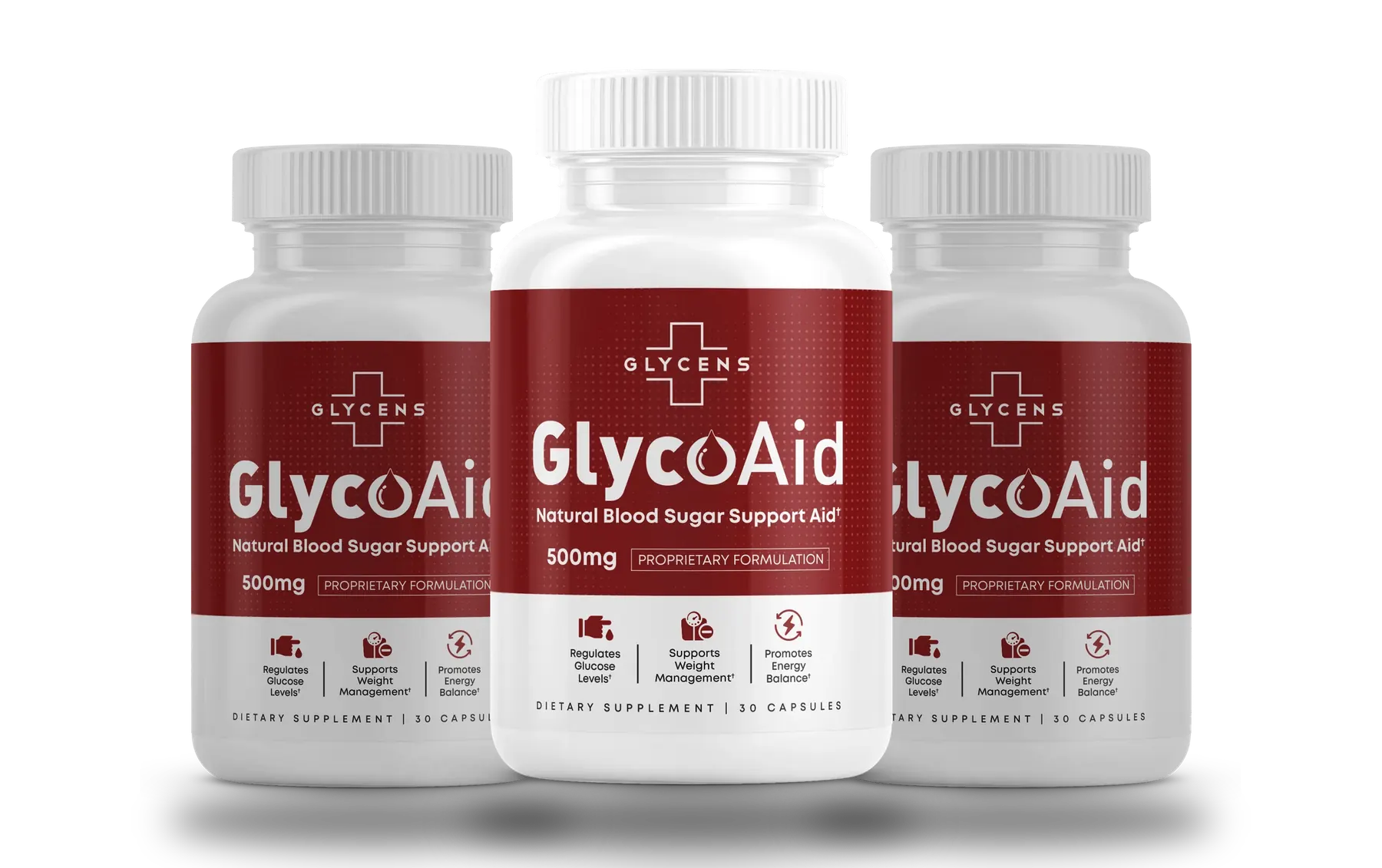
2. Take a short walk after meals
A 10-to-15-minute walk after eating is one of the most reliable natural blood sugar tips there is, because muscles pull glucose out of the blood most eagerly right after a meal. Over the longer term, regular aerobic activity plus a little resistance training improves how sensitively your body responds to insulin. Aim your walk at your largest meal for the biggest return.

3. Choose whole carbohydrates over refined ones
Refined carbohydrates deliver their sugar fast and fibre-free, which is exactly what produces a steep spike. Swapping white bread for whole-grain, white rice for brown or barley, and sweetened cereal for oats keeps the same meals on the menu while flattening the glucose curve. You do not have to abandon carbohydrates — just choose the slower versions.
4. Protect your sleep and manage stress
Sleep and stress are the quiet influencers of blood sugar. A short night raises stress hormones that can push glucose up the next day, and chronic stress does the same through cortisol. Seven to nine hours of regular sleep, plus simple decompression, supports lower, steadier numbers in ways no supplement can replace.
5. Be mindful of what you drink
Sugary drinks are among the fastest routes to a glucose spike because the sugar is liquid and fibre-free. Water, unsweetened tea and coffee are steadier choices, and staying hydrated helps your kidneys clear excess glucose.
See the exact dose in GlycoAid →
How can you reduce blood sugar at home today?
To reduce blood sugar at home today, the quickest wins are a post-meal walk, a glass of water instead of a sugary drink, and eating your vegetables and protein before the starch. The table below sorts the highest-return at-home moves. The evidence base for this point is set out in Shukla et al., Diabetes, Obesity and Metabolism 2019, a crossover study of food order and postprandial glycaemic excursions in prediabetes.
| At-home move | What it does | Effort |
|---|---|---|
| Walk 10–15 min after your biggest meal | Muscles clear glucose from the blood | Low |
| Eat vegetables & protein before starch | Slows the after-meal rise | Low |
| Swap one sugary drink for water or tea | Removes a fast, fibre-free sugar hit | Low |
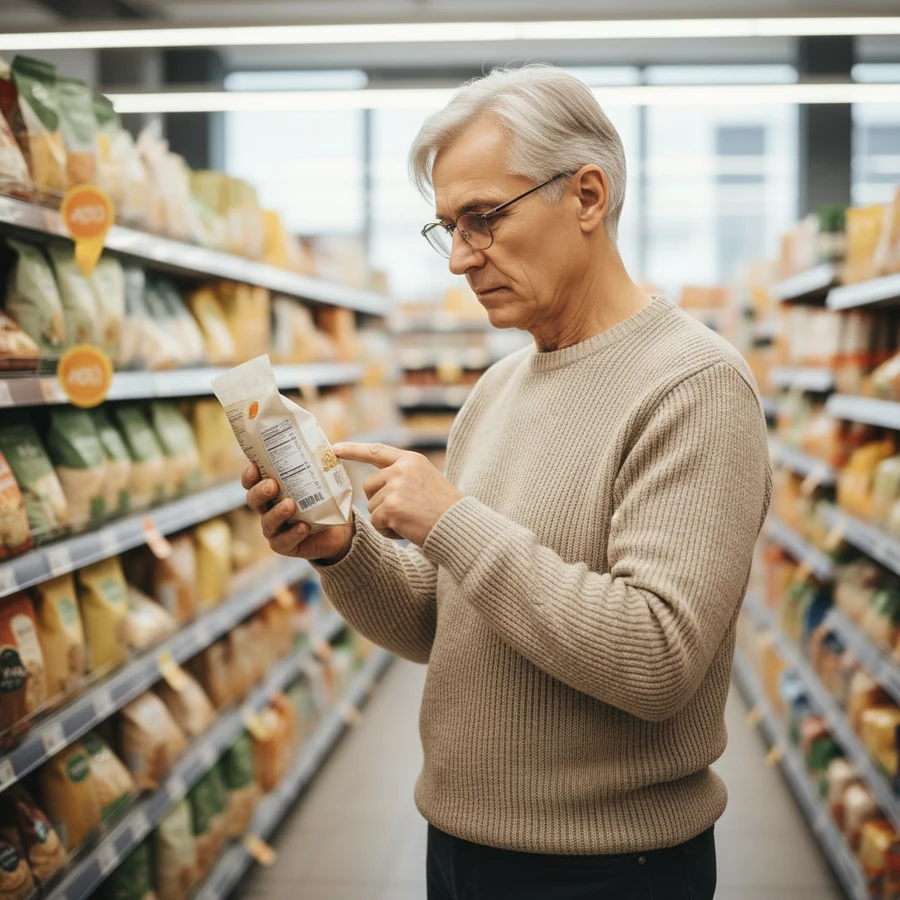
| Read labels; pick whole over refined | Lower, slower glucose release | Medium |
| Keep a consistent bedtime | Steadies next-day stress hormones | Medium |
Where does GlycoAid fit into a natural routine?
GlycoAid fits into a natural routine as one supporting piece on top of diet and activity — never a substitute, and never a treatment for any condition. Several nutrients long part of the blood-sugar-wellness conversation appear in GlycoAid.
| Nutrient | Why it is discussed | Traditional / general role |
|---|---|---|
| Chromium | Essential trace mineral | Contributes to normal macronutrient metabolism — the everyday processing of carbohydrates, fats and proteins. |
| Cinnamon | Culinary botanical | One of the oldest spices; a popular ingredient in everyday blood-sugar-wellness formulas. |
| Berberine | Plant compound | A widely studied botanical alkaloid, summarised in independent evidence reviews such as Examine.com. |
| Gymnema | Ayurvedic botanical | Known as gurmar, or “sugar destroyer”; a long-used herb in blood-sugar-wellness traditions. |
| Banaba leaf | Corosolic-acid source | A tropical leaf traditionally brewed in South-East Asia and studied for metabolic wellness. |
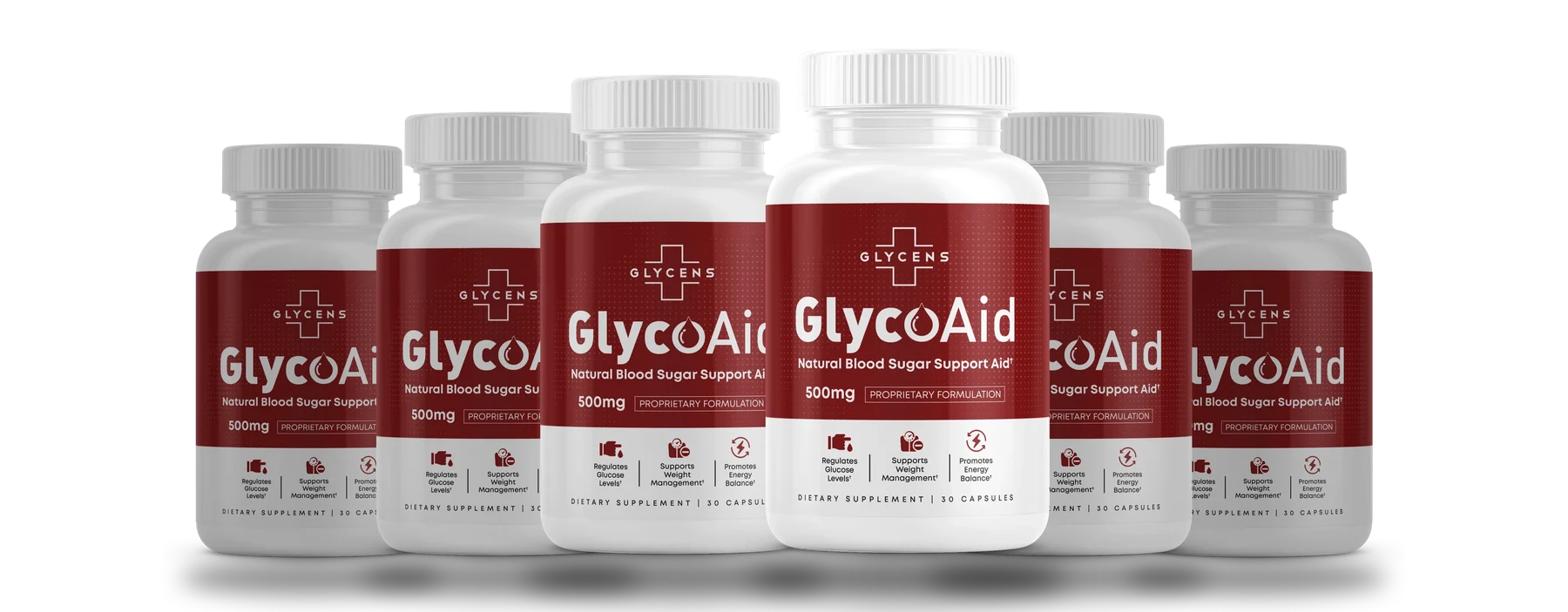
GlycoAid brings these together: chromium plus a 500 mg botanical blend of cinnamon, berberine, banaba, gymnema and bitter melon, in one daily capsule. For more, read our guides to berberine and cinnamon for blood sugar and chromium for blood sugar, or see the full ingredients section.
Make it a daily habit
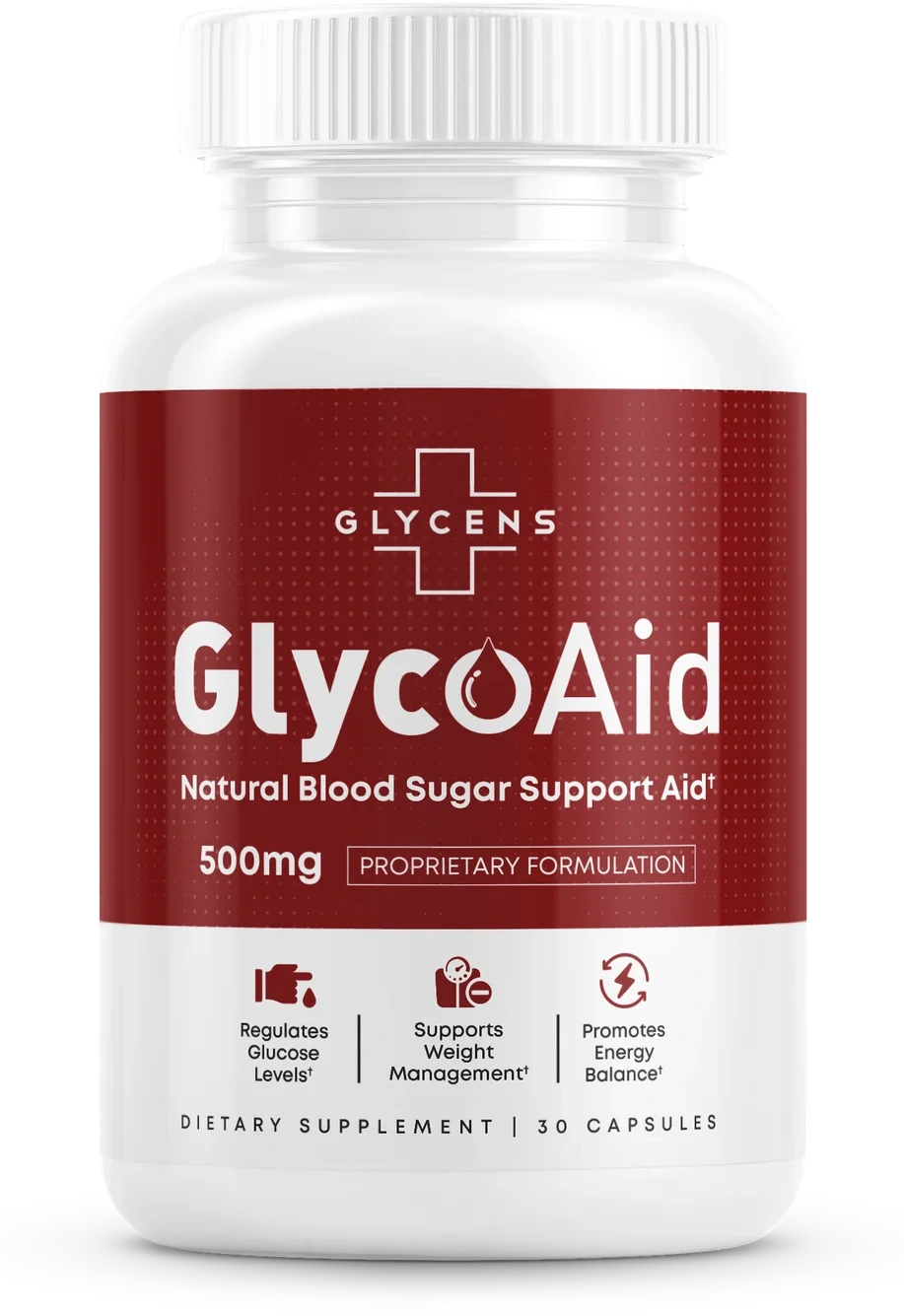
GlycoAid is a once-daily capsule pairing chromium with a 500 mg botanical blend. The six-bottle bundle is the best value at $49 per bottle, with free U.S. shipping and a 60-day guarantee.
Check today's GlycoAid pricing — from $49/bottleHow fast do these natural blood sugar tips work?
Some natural blood sugar tips work the same day, while others reshape your baseline over weeks. A “fast” habit is one you feel on a single after-meal reading; a “slow” habit lowers your daily average over time. Both matter, as this table shows.
| Habit | Typical time to notice | Everyday effort |
|---|---|---|
| 10-15 min walk after a meal | Same day | Low |
| Vegetables & protein before starch | Same meal | Low |
| Swap sugary drinks for water/tea | Days | Low |
| Higher-fibre, whole-food meals | Days to weeks | Medium |
| Regular sleep & stress routine | Weeks | Medium |
| Consistent activity & healthy weight | Weeks to months | Higher |
Botanicals build their support gradually, so most people choose a multi-month supply — compare the packages and pricing, or read the full GlycoAid review first.
When should you talk to a doctor?
Natural habits are for supporting blood sugar that is already within a normal range; they are not a replacement for medical care. Speak with your doctor if you are pregnant or nursing, under 18, take any medication (especially glucose-lowering medicine), have a diagnosed condition, or notice persistent symptoms such as excessive thirst, frequent urination or unexplained weight change. This is documented in NIH NCCIH — Diabetes and Dietary Supplements, the federal summary of what supplements have and have not been shown to do here.
Frequently asked questions
Can you lower blood sugar naturally without medication?
For blood sugar already within a normal range, everyday habits — fibre-first meals, a post-meal walk, steady sleep and less refined sugar — are the main natural levers. They support your body rather than treat any disease, so if you take medication or have a diagnosis, make changes with your doctor.
What is the fastest way to reduce blood sugar at home?
The quickest everyday lever is a 10-to-15-minute walk after your largest meal, because working muscles pull glucose out of the blood most eagerly in the hour after eating. Drinking water and eating vegetables and protein before starch also blunt the same-day rise.
Which foods help lower blood sugar naturally?
Non-starchy vegetables, beans and lentils, whole intact grains, nuts and seeds, and protein at every meal all slow how quickly sugar enters the blood. Pairing any carbohydrate with fibre, protein or fat flattens the after-meal spike.
Does GlycoAid lower blood sugar?
GlycoAid is a dietary supplement, not a medicine, so it is not intended to lower, treat or cure anything. It pairs chromium, which contributes to normal macronutrient metabolism, with a 500 mg botanical blend to support a healthy-lifestyle routine. It works best alongside diet and activity, not instead of them.
How long does it take to lower blood sugar naturally?
A single post-meal walk can soften a spike the same day, while broader diet, weight and fitness changes usually show over several weeks to a few months. Botanicals build their support gradually, and individual results vary.
Do I have to give up carbohydrates to lower blood sugar?
No. Most people can keep carbohydrates by choosing whole, fibre-rich sources, keeping portions sensible, and pairing them with protein, fat or vegetables. Eating the starch last and walking afterwards blunts the rise further.
Try GlycoAid risk-free for 60 days →
GlycoAid is a dietary supplement, not a treatment for any medical condition. These statements have not been evaluated by the Food and Drug Administration. This product is not intended to diagnose, treat, cure or prevent any disease. Always consult a qualified healthcare professional about your individual needs.
References & further reading
- National Institutes of Health, Office of Dietary Supplements. Chromium — Fact Sheet for Health Professionals. ods.od.nih.gov/factsheets/Chromium-HealthProfessional
- National Center for Complementary and Integrative Health (NCCIH). Diabetes and Dietary Supplements. nccih.nih.gov/health/diabetes-and-dietary-supplements
- Mayo Clinic. Diabetes prevention: 5 tips for taking control. mayoclinic.org/diseases-conditions/type-2-diabetes
- Shukla et al. The impact of food order on postprandial glycaemic excursions in prediabetes. Diabetes, Obesity and Metabolism, 2019. pubmed.ncbi.nlm.nih.gov/30101510
- Examine.com. Berberine — evidence-based summary. examine.com/supplements/berberine
These references describe the ingredients and habits in general terms and do not constitute evidence that any product treats, cures or prevents any condition.
Keep reading: the best foods to balance blood sugar · how to support healthy blood sugar naturally · back to the GlycoAid blog · homepage.